
Table of Contents
Hair loss affects millions of people worldwide, sending many on a quest for natural solutions that actually work. Enter pumpkin seed oil—a natural remedy that’s gaining serious attention in the hair care community. But does this emerald-green oil live up to the hype, or is it just another wellness trend? Let’s dive deep into the science, benefits, and practical uses of pumpkin seed oil for hair growth.
What Is Pumpkin Seed Oil and How Does It Work for Hair?
Pumpkin seed oil is extracted from the seeds of pumpkins, typically through cold-pressing methods that preserve its nutritional integrity. This oil is rich in essential fatty acids, zinc, vitamins A and E, and phytosterols—compounds that may play a crucial role in promoting healthy hair growth.
The mechanism behind pumpkin seed oil’s effectiveness lies in its ability to inhibit 5-alpha reductase, an enzyme that converts testosterone into dihydrotestosterone (DHT). Elevated DHT levels are a primary culprit in androgenetic alopecia, the most common form of hair loss in both men and women. By potentially blocking this conversion, pumpkin seed oil may help reduce hair thinning and promote regrowth.
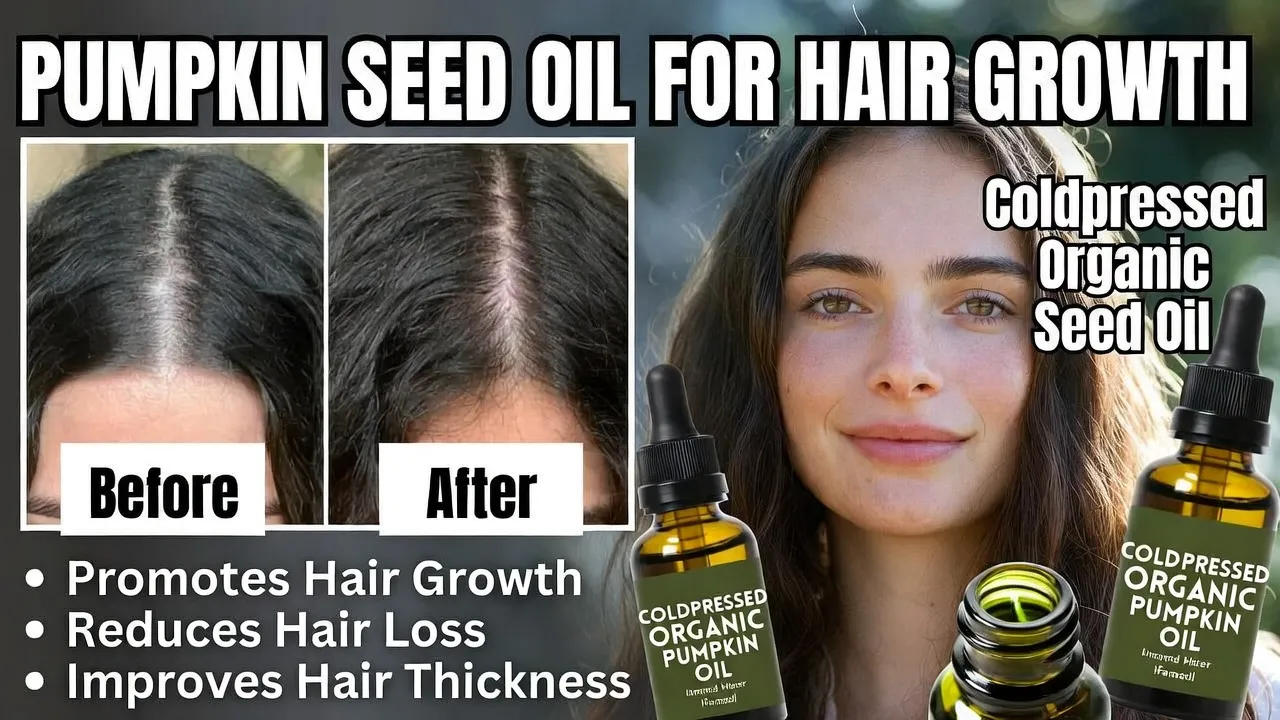
A groundbreaking study published in Evidence-Based Complementary and Alternative Medicine found that men who took pumpkin seed oil supplements experienced a 40% increase in hair count after 24 weeks compared to those taking a placebo. While more research is needed, these preliminary findings have sparked considerable interest in this natural remedy.
Benefits of Pumpkin Seed Oil for Hair
Promotes Hair Growth and Reduces Hair Loss
The primary benefit that draws people to pumpkin seed oil is its potential to combat hair loss. The oil’s DHT-blocking properties may help preserve existing hair follicles while creating an environment conducive to new growth. Many users report noticing reduced shedding within the first few months of consistent use.
Nourishes the Scalp
A healthy scalp is the foundation for healthy hair. Pumpkin seed oil’s anti-inflammatory properties may help soothe irritation, reduce dandruff, and create optimal conditions for hair follicles to thrive. The omega-3 and omega-6 fatty acids in the oil provide deep nourishment that can improve overall scalp health.
Strengthens Hair Strands
The zinc content in pumpkin seed oil plays a vital role in hair tissue growth and repair. It also helps keep the oil glands around hair follicles working properly, which can result in stronger, more resilient hair that’s less prone to breakage.
Adds Shine and Improves Texture
Beyond growth benefits, pumpkin seed oil can enhance the appearance of your hair. Its moisturizing properties help smooth the hair cuticle, resulting in shinier, softer locks that are easier to manage.
Pumpkin Seed Oil for Hair Loss in Women
While much of the research has focused on male pattern baldness, women experiencing hair thinning may also benefit from pumpkin seed oil. Female pattern hair loss often involves hormonal fluctuations, particularly during menopause or due to conditions like polycystic ovary syndrome (PCOS).
Women dealing with diffuse thinning, widening part lines, or overall reduced hair density have reported positive experiences with pumpkin seed oil supplementation. However, it’s important to note that individual results vary, and addressing underlying hormonal issues with a healthcare provider is essential for comprehensive treatment.
How Much Pumpkin Seed Oil Should You Use for Hair?
The optimal dosage depends on whether you’re using topical applications or oral supplements.
For oral supplementation, the clinical study that showed positive results used 400 mg of pumpkin seed oil daily for 24 weeks. Many commercially available supplements contain between 1000-2000 mg per serving, though starting with a lower dose and gradually increasing may help minimize potential digestive discomfort.
For topical use, there’s no standardized amount, but many people use 1-2 tablespoons mixed with a carrier oil or applied directly to the scalp, leaving it on for 30 minutes to several hours before washing.
Consistency matters more than quantity—regular use over several months is key to seeing potential benefits.
How to Make Pumpkin Seed Oil for Hair at Home
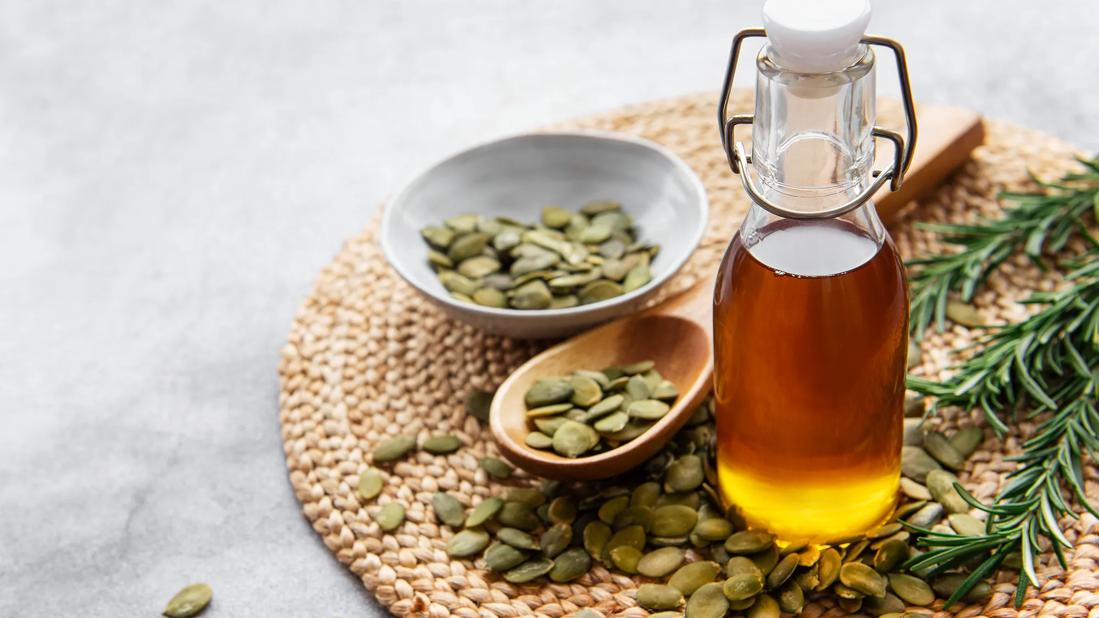
While purchasing high-quality, cold-pressed pumpkin seed oil is often more practical, you can make your own oil-infused treatment at home:
- Toast 2 cups of raw pumpkin seeds lightly in a pan
- Grind the cooled seeds in a food processor or blender until finely chopped
- Place the ground seeds in a jar and cover with a carrier oil like jojoba or sweet almond oil (about 2 cups)
- Seal the jar and let it sit in a cool, dark place for 2-3 weeks, shaking daily
- Strain through cheesecloth and store in a dark glass bottle
Note that this creates an infused oil rather than pure pumpkin seed oil, which requires specialized cold-pressing equipment. The infusion will still contain beneficial compounds but in lower concentrations than commercially pressed oil.
What Is the Best Pumpkin Seed Oil for Hair?
When shopping for pumpkin seed oil, quality matters significantly. Here’s what to look for:
Cold-Pressed and Unrefined: Heat processing can degrade the beneficial compounds in pumpkin seed oil. Cold-pressed, unrefined oil retains maximum nutritional value.
Organic Certification: Organic pumpkin seed oil ensures the product is free from pesticides and other chemicals that could diminish its benefits or cause scalp irritation.
Dark Glass Bottle: Pumpkin seed oil is sensitive to light and oxidation. Quality brands package their oil in dark amber or green glass bottles to preserve freshness.
Origin and Purity: Look for oils from reputable regions known for pumpkin seed oil production, such as Austria or Slovenia. The ingredient list should contain only pumpkin seed oil with no additives or fillers.
Popular high-quality brands frequently mentioned in user reviews include those that specifically market their oil as suitable for both culinary and cosmetic use, though dedicated hair care formulations may offer additional complementary ingredients.
Pumpkin Seed Oil for Hair: Before and After Results
Setting realistic expectations is crucial when trying any new hair treatment. Hair growth is a slow process, and visible results from pumpkin seed oil typically require patience and consistency.
Most users who report positive outcomes note the following timeline:
- Weeks 1-4: Reduced hair shedding, improved scalp condition
- Weeks 8-12: Possible reduction in hair loss, healthier-looking existing hair
- Weeks 16-24: Potential new growth visible, increased hair density
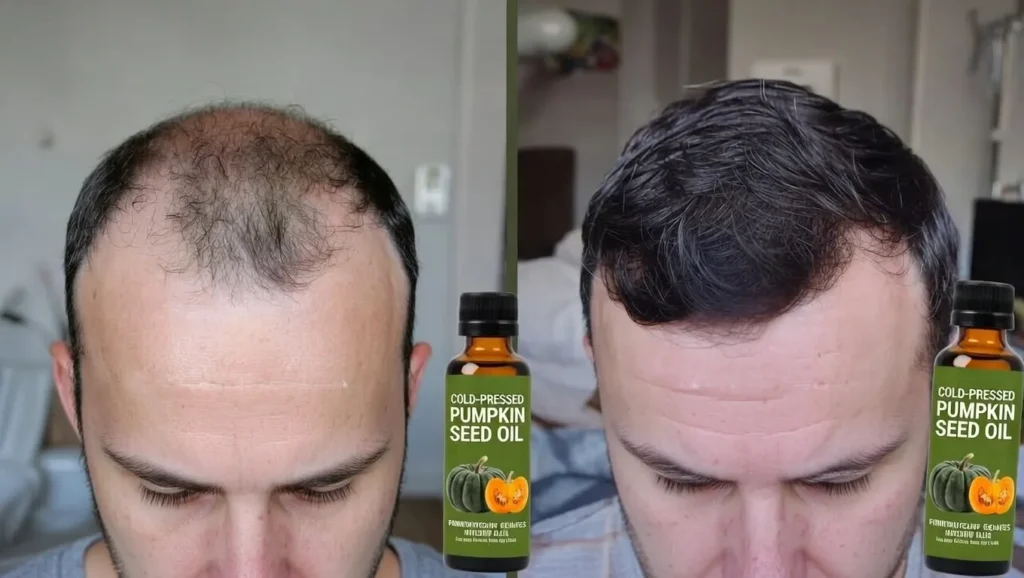
Before and after photos shared by users often show modest but meaningful improvements, particularly in crown density and hairline thickness. However, results vary widely based on individual factors like the cause of hair loss, genetics, overall health, and consistency of use.
It’s important to document your own journey with photos taken in consistent lighting and from the same angles to accurately track progress.
Pumpkin Seed Oil for Hair: Side Effects and Safety
Pumpkin seed oil is generally considered safe for most people, but some potential side effects and considerations include:
Digestive Issues: When taken orally, some people experience mild stomach upset, especially at higher doses. Taking it with food may help minimize this effect.
Allergic Reactions: Those with pumpkin or seed allergies should avoid pumpkin seed oil entirely. Perform a patch test before applying topically if you have sensitive skin.
Blood Pressure Effects: Pumpkin seed oil may lower blood pressure, which could be beneficial for some but problematic for those already taking blood pressure medications.
Pregnancy and Breastfeeding: There’s limited research on the safety of pumpkin seed oil supplements during pregnancy and breastfeeding. While topical use is likely safe, pregnant women should consult their healthcare provider before taking oral supplements.
Drug Interactions: Pumpkin seed oil may interact with certain medications, including diuretics and lithium. Always inform your doctor about any supplements you’re taking.
Is Pumpkin Seed Oil Safe During Pregnancy?
The safety of pumpkin seed oil during pregnancy hasn’t been extensively studied. While eating pumpkin seeds as part of a balanced diet is generally considered safe during pregnancy, concentrated supplements are a different matter.
Topical application of pumpkin seed oil to the scalp is unlikely to pose risks, but oral supplementation should only be undertaken with medical supervision. Hormonal changes during pregnancy often affect hair growth anyway, sometimes causing thicker hair during pregnancy followed by postpartum shedding—a normal process that typically resolves on its own.
Pumpkin Seed Oil Capsules vs. Topical Application
Both methods have their advocates, and some people use both simultaneously for potentially enhanced results.
Oral Supplements (Capsules): The clinical research showing hair growth benefits primarily studied oral supplementation. Capsules provide a standardized dose and may work systemically to address DHT production throughout the body. They’re convenient and require no messy application.
Topical Application: Applying pumpkin seed oil directly to the scalp allows the active compounds to work locally at the hair follicles. This method may be preferable for those who want to avoid oral supplements or combine pumpkin seed oil with other topical treatments.
Combined Approach: Some users find that taking capsules while also applying the oil topically provides the best of both worlds, though this doubles the cost and effort required.
Can I Mix Rosemary Oil with Pumpkin Seed Oil for Hair?
Combining pumpkin seed oil with rosemary oil is not only safe but potentially beneficial. Rosemary oil has its own research supporting hair growth benefits, working through different mechanisms than pumpkin seed oil.
To create a combined treatment:
- Mix 2 tablespoons of pumpkin seed oil with 4-6 drops of rosemary essential oil
- Add a carrier oil like jojoba or coconut oil if desired
- Massage into the scalp and leave for 30 minutes to overnight
- Shampoo thoroughly to remove
This combination addresses hair loss from multiple angles—pumpkin seed oil potentially blocking DHT while rosemary oil improves circulation and has anti-inflammatory properties.
Can I Use Cooking Pumpkin Seed Oil for Hair?
Food-grade pumpkin seed oil can be used for hair, but there are important considerations. Culinary pumpkin seed oil is typically cold-pressed and contains the same beneficial compounds as cosmetic-grade oil, making it suitable for hair applications.
However, some cooking oils may be refined or contain additives that aren’t ideal for hair care. Additionally, oils marketed for culinary use may not be stored in optimal conditions to preserve the delicate compounds most beneficial for hair.
If you’re using cooking pumpkin seed oil for your hair, ensure it’s cold-pressed, unrefined, and stored properly in a dark bottle away from heat and light.
Where to Buy Pumpkin Seed Oil for Hair
Pumpkin seed oil is increasingly available both online and in physical stores:
Online Retailers: Major e-commerce platforms offer numerous brands with customer reviews that can help guide your selection. Look for products with high ratings and detailed descriptions about sourcing and processing.
Health Food Stores: Stores specializing in natural products often carry high-quality pumpkin seed oil supplements and topical oils.
Specialty Beauty Retailers: Some beauty supply stores now stock pumpkin seed oil in their natural hair care sections.
Pharmacies: Larger chain pharmacies may carry pumpkin seed oil capsules in their supplement aisles.
When searching for “pumpkin seed oil for hair nearby,” check if local health food stores or natural grocers stock it. Buying locally allows you to examine the product and ask staff questions before purchasing.
Pumpkin Seed Oil for Hair: Dosage and Application Guidelines
For those ready to try pumpkin seed oil, here’s a practical guide to getting started:
Oral Supplementation Dosage: Begin with 400-1000 mg daily, preferably with food. If tolerated well, you may increase to 2000 mg daily, though always follow product instructions and consult a healthcare provider.
Topical Application Method:
- Section your hair to expose the scalp
- Apply 1-2 tablespoons of pumpkin seed oil directly to the scalp using your fingertips or a dropper
- Massage gently for 5-10 minutes to improve absorption and circulation
- Leave on for at least 30 minutes, or overnight for intensive treatment
- Shampoo thoroughly, possibly twice, to remove all oil residue
Frequency: For topical use, 2-3 times per week is generally recommended. Daily oral supplementation is typical for those taking capsules.
What Redditors Are Saying About Pumpkin Seed Oil for Hair
The hair loss communities on Reddit have become valuable sources of real-world experiences with various treatments, including pumpkin seed oil. User reports are mixed but lean positive overall.
Common themes from Reddit discussions include users reporting reduced shedding after 4-8 weeks of consistent use, modest improvements in hair density when combined with other treatments like minoxidil, and appreciation for pumpkin seed oil as a natural option with fewer side effects than pharmaceutical alternatives.
Some users note that pumpkin seed oil alone may not be sufficient for advanced hair loss but can be a helpful component of a comprehensive approach. Others emphasize that patience is crucial, as natural treatments typically work more slowly than prescription medications.
The general consensus suggests that while pumpkin seed oil isn’t a miracle cure, it may offer modest benefits, especially for those in the early stages of hair loss or seeking a natural preventative measure.
When to Use Pumpkin Seed Oil for Hair: Timing and Consistency
Timing your pumpkin seed oil application can impact both convenience and effectiveness:
Evening Application: Many people prefer applying pumpkin seed oil before bed, allowing it to work overnight. This maximizes contact time without interfering with daily activities.
Pre-Shower Treatment: Applying oil 30-60 minutes before your regular shower routine is convenient for those who don’t want to sleep with oil in their hair.
Supplement Timing: Take oral pumpkin seed oil with a meal to improve absorption and reduce potential digestive discomfort. Consistency in timing helps establish a routine.
The most critical factor isn’t when you use it but that you use it regularly. Hair growth treatments require consistent application over months to show results.
Creating a Comprehensive Hair Care Routine with Pumpkin Seed Oil
For optimal results, consider incorporating pumpkin seed oil into a holistic hair care approach:
Nutrition: Ensure adequate protein, iron, biotin, and other hair-supporting nutrients through diet or supplementation.
Gentle Hair Care: Minimize heat styling, avoid tight hairstyles that cause tension, and use sulfate-free shampoos that won’t strip natural oils.
Stress Management: Chronic stress contributes to hair loss, so practices like meditation, exercise, and adequate sleep support overall hair health.
Medical Evaluation: If experiencing significant hair loss, consult a dermatologist or trichologist to rule out underlying conditions like thyroid disorders or nutritional deficiencies.
Complementary Treatments: Pumpkin seed oil can be combined with other evidence-based approaches like minoxidil, derma-rolling, or low-level laser therapy for potentially enhanced results.
The Bottom Line: Is Pumpkin Seed Oil Worth Trying for Hair Growth?
Pumpkin seed oil presents a promising natural option for those experiencing hair thinning or seeking to maintain healthy hair. While the research is still limited, preliminary studies and abundant anecdotal reports suggest potential benefits, particularly for androgen-related hair loss.
The relatively low risk of side effects, combined with additional health benefits like prostate and cardiovascular support, makes pumpkin seed oil an attractive option to try. However, it’s important to maintain realistic expectations—this isn’t a guaranteed solution, and results tend to be modest rather than dramatic.
Those most likely to benefit from pumpkin seed oil include individuals in the early stages of hair loss, people seeking natural alternatives to pharmaceutical treatments, those looking for a complementary addition to their current hair loss regimen, and anyone interested in overall scalp health improvement.
Success with pumpkin seed oil requires patience, consistency, and a willingness to invest several months before evaluating results. Track your progress with photos, note changes in shedding patterns, and give the treatment adequate time to work.
Whether you choose capsules, topical application, or both, selecting high-quality, cold-pressed, organic pumpkin seed oil gives you the best chance of experiencing potential benefits. As with any health concern, consulting with a healthcare provider before starting new supplements ensures this approach is appropriate for your individual situation.
Hair loss can be frustrating and emotionally challenging, but natural options like pumpkin seed oil offer hope for those seeking gentler alternatives. While it may not work for everyone, the combination of scientific rationale, preliminary research, and positive user experiences makes pumpkin seed oil a worthy consideration in your hair health journey.
Key Research & Sources on Pumpkin Seed Oil for Hair
Here are reliable, researched links supporting the benefits, studies, user experiences, products, and safety info for pumpkin seed oil (PSO) for hair growth and loss. I’ve prioritized the key 2014 study, real user reports (especially Reddit), and buying options in India.
Scientific Studies
- Main 2014 Study (400mg oral PSO increased hair count by 40% in men with androgenetic alopecia): Full Study on PMCPubMed Abstract
- Critical analysis of the study: Perfect Hair Health Review
Reddit User Experiences & Before/After
Mixed but positive reports—many see reduced shedding and thicker hair after 3–6 months; some note initial shedding.
- 6 months oral PSO + rosemary (with photos): Reddit Thread
- Personal experience as DHT blocker: Reddit Thread
- More discussions (success, shedding, women): FemaleHairLoss Threads
Best Pumpkin Seed Oil Products (Cold-Pressed & Organic)
Look for cold-pressed, unrefined, organic versions.
In India (Easy Online Buy):
- Amazon.in search for cold-pressed options → Amazon.in Pumpkin Seed Oil
- VedaOils (wholesale/direct) → VedaOils Pumpkin Seed Oil
- Mystiq Living on Nykaa (hair-focused) → Nykaa Link
- Juicy Chemistry Organic → Juicy Chemistry
- Blend It Raw Apothecary (pure for hair) → Blend It Raw
International (Highly Rated for Hair):
- Maple Holistics Organic → Amazon
- PURA D’OR Organic → PURA D’OR
- Leven Rose 100% Pure → Leven Rose
Side Effects & Safety
Generally safe; rare issues include stomach upset (oral) or scalp irritation (topical).
- WebMD overview → WebMD Pumpkin
- Healthline benefits/risks → Healthline