THICK FIBER Hair Building Fibers Review: Do They Actually Hide Thinning Hai
If you have thinning hair or a few bald patches, you have probably seen hair building fibers advertised as a way to get instantly fuller-looking hair in seconds. THICK FIBER is one of the most popular and affordable options in India. But do these fibers actually work, or is it just marketing? In this honest…

If you have thinning hair or a few bald patches, you have probably seen hair building fibers advertised as a way to get instantly fuller-looking hair in seconds. THICK FIBER is one of the most popular and affordable options in India. But do these fibers actually work, or is it just marketing?
In this honest review, I will break down what THICK FIBER hair building fibers actually do, how to apply them for a natural look, who they are right for, and who should skip them. No hype — just a clear assessment so you can decide if they are worth your money.
Let me be upfront about one thing: hair fibers are a cosmetic concealer, not a hair loss treatment. They hide thinning beautifully, but they do not regrow hair.
Quick Verdict
THICK FIBER hair building fibers are a genuinely effective, affordable way to instantly conceal thinning hair and small bald spots. The keratin fibers cling to your existing hair and make it look noticeably fuller in under a minute, and they hold up against sweat and light rain. They are best for men with thinning hair or a sparse crown — not for completely bald areas. At around ₹840 for a 12g bottle, they are well-priced versus premium brands like Toppik. If your expectations are right (concealer, not cure), most people are happy with them.
Rating: 4 out of 5

What Are Hair Building Fibers?
Hair building fibers are tiny keratin protein fibers — the same protein your natural hair is made of — that you sprinkle onto thinning areas of your scalp. They carry a natural static electric charge, so they cling to your existing hair strands and bond to them instantly, creating the appearance of thicker, fuller hair within about 30 seconds.
Think of them like makeup for your hair: just as foundation evens out your skin, hair fibers fill in the visible gaps and sparse areas on your scalp. THICK FIBER specifically is made from natural keratin and blends undetectably with your own hair.
The important thing to understand: they do not grow hair or treat the cause of hair loss. They are a temporary cosmetic fix that washes out with shampoo.
How Well Do They Work?
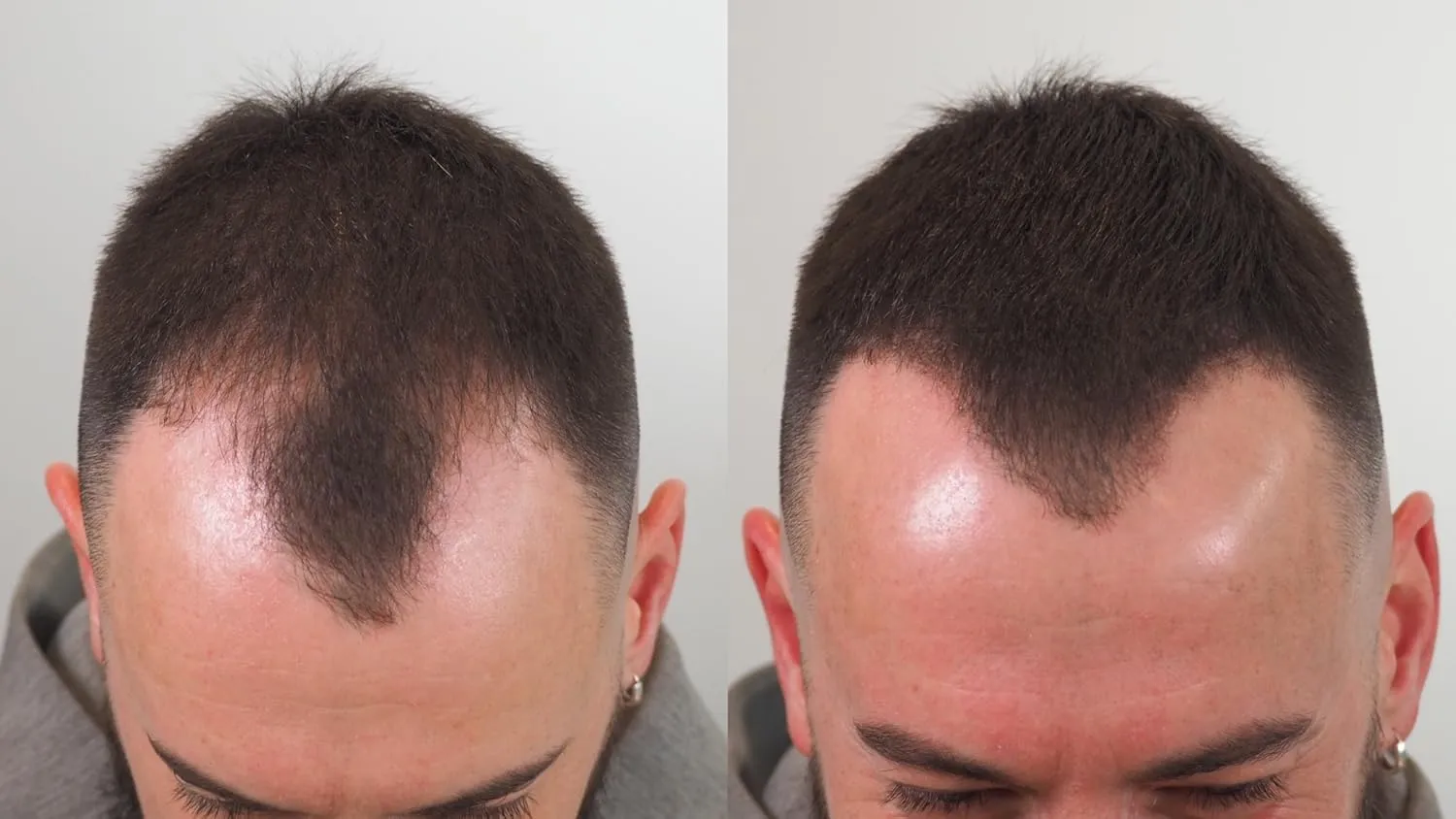
For their intended purpose — concealing thinning hair and small sparse areas — THICK FIBER fibers work well. Applied correctly, they make thin hair look genuinely fuller and can take years off your appearance. The effect is most impressive on a thinning crown, a sparse part line, general thinning on top where you still have some hair, and for carefully touching up a receding hairline.

They hold up through a normal day, resisting sweat, wind, and light rain, and wash out cleanly with shampoo at night.
They are less effective on completely bald areas (there is no existing hair for the fibers to cling to), on very short or shaved hair, and in heavy rain or swimming — they are sweat and light-rain resistant, not fully waterproof.
How to Apply THICK FIBER for a Natural Look
Application makes all the difference between a natural look and a patchy mess. Here is the correct method:
- Start with completely dry, styled hair. Never apply to wet hair — the fibers will not cling properly.
- Shake the bottle sideways over the thinning areas, holding it a few inches above your head. Apply in a “salt and pepper” sprinkling motion rather than dumping it in one spot.
- Gently pat your hair to disperse the fibers evenly.
- Optional but recommended: use a holding spray afterward to lock the fibers in place for longer, especially on the crown.
- Choose the right shade — the colour closest to your natural hair. If you are between shades, go one shade lighter, as too-dark fibers look unnatural.
Tip: place a cloth along your hairline while applying near the front so the fibers do not stain your forehead.
Pros
- Instant results — fuller-looking hair in under a minute
- Made from natural keratin protein, the same as real hair
- Affordable (around ₹840 for 12g) compared to premium brands
- Resists sweat, wind, and light rain
- Washes out easily with shampoo — no commitment
- Works for both men and women
- Available in shades to match common Indian hair tones
Cons
- It is a concealer, not a cure — it does nothing to regrow hair or stop hair loss
- Does not work on completely bald areas (needs existing hair to cling to)
- Can transfer onto pillows, collars, or hands if you over-apply or skip a holding spray
- Needs reapplication every day, as it washes out
- Not fully waterproof — heavy rain or swimming will wash it out
- Getting a natural look takes a little practice at first
Who Should Buy It?
THICK FIBER hair building fibers are a great fit if you have thinning hair or a sparse crown but still have existing hair, want an instant confidence boost for a wedding, interview, date, or photos, want a low-cost non-surgical solution, or are using a real hair-loss treatment and want to conceal thinning in the meantime.
You should skip it if you are completely bald in the area you want to cover, want an actual treatment that regrows hair, or are not willing to reapply daily.
THICK FIBER vs Premium Brands (Toppik)
The global premium brand in this category is Toppik, with thousands of reviews and a strong reputation. THICK FIBER is a more affordable, India-friendly alternative using the same keratin-fiber technology. For most users, everyday performance is comparable — the main differences are price (THICK FIBER is significantly cheaper), brand recognition, and shade range. If you want a proven budget option, THICK FIBER is a sensible choice; if you want the most established premium brand and don’t mind paying more, Toppik is the benchmark.
Realistic Expectations
The men who are happiest with hair fibers understand exactly what they are buying: a fast, temporary, cosmetic concealer that makes thinning hair look fuller. The men who are disappointed usually expected them to regrow hair or cover a fully bald scalp. Set your expectations correctly and THICK FIBER delivers real value for the price.
Final Verdict
THICK FIBER hair building fibers do exactly what they promise: instantly conceal thinning hair and make it look fuller, for an affordable price. They are not a miracle and not a cure — but as a quick, low-cost, no-commitment way to look fuller and feel more confident, they are genuinely worth it for the right person.
Rating: 4 out of 5 — effective, affordable, and honest about what it is.
Disclosure: This review contains an affiliate link. If you buy through it, we may earn a small commission at no extra cost to you. This does not affect our honest assessment.
Frequently Asked Questions
Do hair building fibers really work?
Yes, for concealing thinning hair and sparse areas. The keratin fibers cling to your existing hair and make it look noticeably fuller within seconds. They do not work on completely bald areas and do not regrow hair.
Do THICK FIBER fibers wash out?
Yes, completely, with normal shampoo. They last through the day (resisting sweat and light rain) and wash out when you shampoo.
Are hair fibers safe?
Keratin-based fibers like THICK FIBER are generally considered safe, as they are made from the same protein as natural hair, sit on the hair rather than the scalp, and wash out. If you have a sensitive scalp or a skin condition, check with a dermatologist first.
Can women use THICK FIBER?
Yes. Hair building fibers work for both men and women dealing with thinning hair, sparse partings, or postpartum thinning.
Will hair fibers regrow my hair?
No. They are a cosmetic concealer only. For regrowth, speak to a doctor about treatments like minoxidil.
How long does one bottle last?
With daily use on a small-to-medium thinning area, a 12g bottle typically lasts several weeks to a couple of months.
Nath S. is the founder and lead writer of BestHairstyleForMen.in, where he researches men’s hairstyles, haircut trends, and grooming techniques. He works with barbers and studies thousands of real cuts to break down which styles suit different face shapes and hair types.