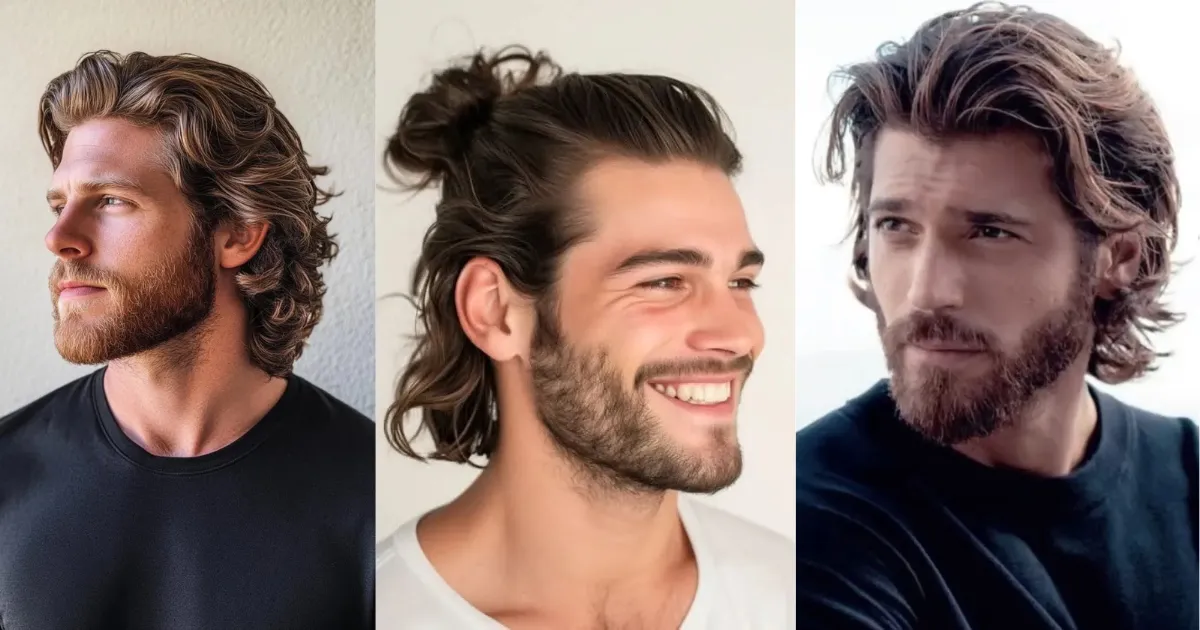
Short hairstyles for men are about more than simply cutting every section close. A textured crop, French crop, crew cut, low fade or short quiff can look completely different, even when the hair is only a few inches long. The trick is to choose a shape that fits your natural hair texture, the amount of styling you enjoy and how often you want to visit the barber.
This illustrated guide covers 12 practical short haircuts, including photo references already in our hairstyle library. Compare the front, sides and styling effort for each look, then use the barber instructions to ask for a version that works with your own hair. For every length and texture, start at our hairstyles for men hub.
Quick Answer: What Are the Best Short Hairstyles for Men?
Versatile short hairstyles include the textured crop, French crop, crew cut, buzz cut fade, short quiff, Ivy League, curly fringe and low fade. A buzz cut is one of the simplest for daily styling; a textured crop adds movement; a short quiff offers a little more height; and a low fade gives a neat outline without taking the sides too high. No single haircut suits everyone, so choose based on hair density, curl pattern, hairline and personal preference.
12 Short Hairstyles for Men: Photos and Barber Instructions
Use each photo as a visual reference, not a promise of exactly the same result. The barber can adapt the top length, fringe and fade placement to your natural hair growth. When comparing styles, notice the silhouette from the side as much as the front.
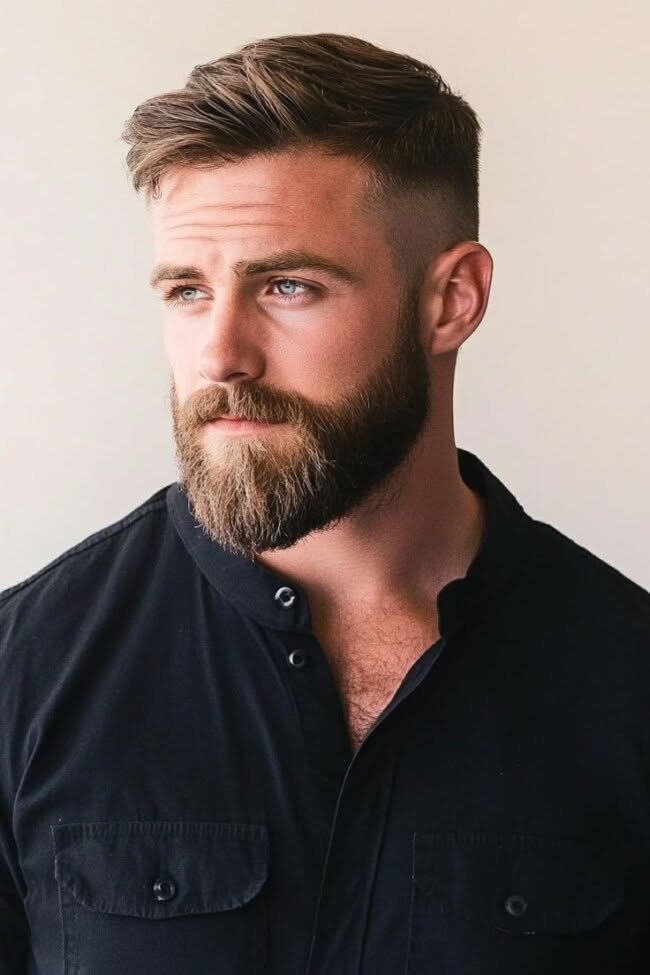
1. Textured Crop
A textured crop keeps the sides short while creating small, movable sections through the top. It is a useful choice if you want a casual finish without lifting the hair high above your forehead. Straight, wavy and fine-looking hair can all be adapted to this silhouette.
What to tell your barber: Leave enough length on top for finger styling, cut soft texture into it, and ask for a low taper rather than automatically shaving the sides.
Styling: A small amount of lightweight matte paste or cream, worked through almost-dry hair.

2. French Crop
A French crop has a relatively short top directed toward the forehead and usually a visible fringe. Its clean outline works with many fade or taper heights. The front can be neat and blunt or cut with broken, uneven texture for a more relaxed appearance.
What to tell your barber: Show exactly where you want the fringe to end; say whether you prefer a blunt front edge or a feathered finish.
Styling: Comb or push the hair gently forward while damp; apply a small amount of product only if needed.

3. Classic Crew Cut
The crew cut leaves short hair across the top, commonly with a little more length toward the front and neatly tapered sides. It looks structured without requiring a complicated routine. Keeping a touch of natural texture on top can prevent the cut from appearing too rigid.
What to tell your barber: Ask to keep the front slightly longer than the crown and request a scissor or clipper blend that suits your hairline.
Styling: Usually a quick brush or finger styling; some hair textures need no product at all.
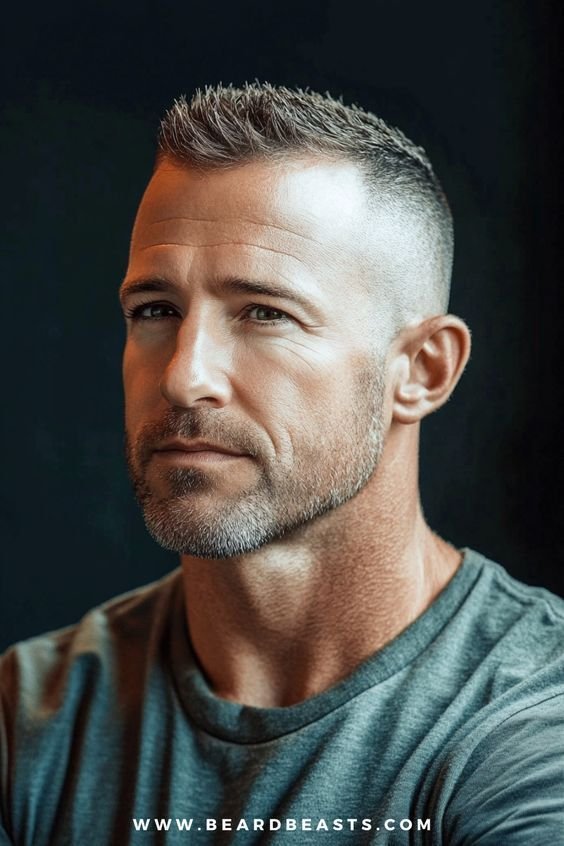
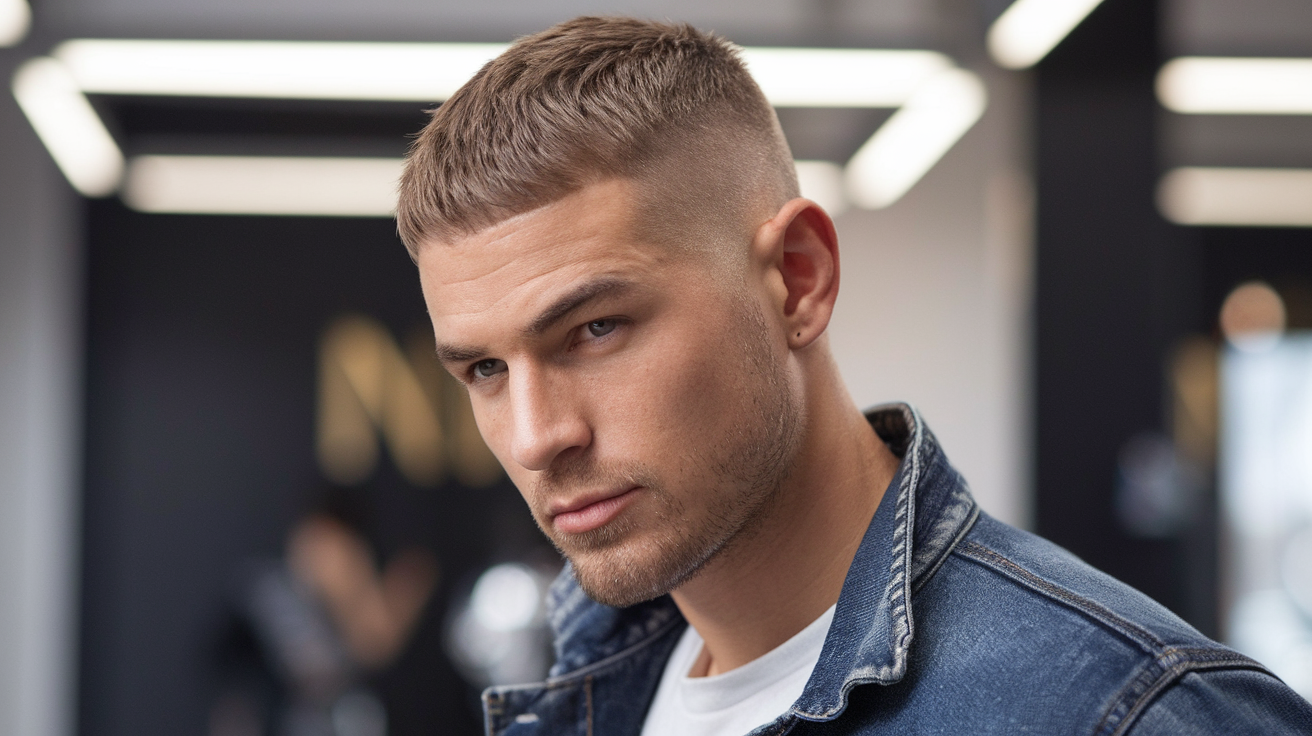
4. Buzz Cut With Fade
A buzz cut keeps the top consistently short, while the fade adds a gradual change of length around the sides and neck. It is easy to manage each morning and can be adapted to different hairlines. The compromise is that sharp fades show regrowth sooner than softer shapes.
What to tell your barber: Agree on the clipper guard length for the top, the fade height and whether the shortest section should go down to skin.
Styling: Minimal styling; focus on keeping the scalp comfortable and clean.

5. Short Wavy Quiff
A short quiff keeps enough length at the front to lift it gently upward or back. It adds movement without becoming a tall pompadour. On naturally wavy hair, the shape can look relaxed, while very straight hair may need a little blow-drying for lift.
What to tell your barber: Preserve extra length at the front, reduce excessive bulk at the crown and keep the sides neat without removing all their weight.
Styling: Dry the front in the direction you want with your fingers or a brush, then finish with a light styling product.

6. Ivy League
An Ivy League keeps the top short but long enough near the front to form a subtle side part. It is polished without looking overly formal, and the shape can soften as the hair grows. This cut is particularly useful if you want a classic haircut that works in different settings.
What to tell your barber: Leave enough hair at the front to part naturally, then blend the sides into a tidy taper.
Styling: A quick comb along your natural part; use a light cream rather than heavy wax if the hair is fine.
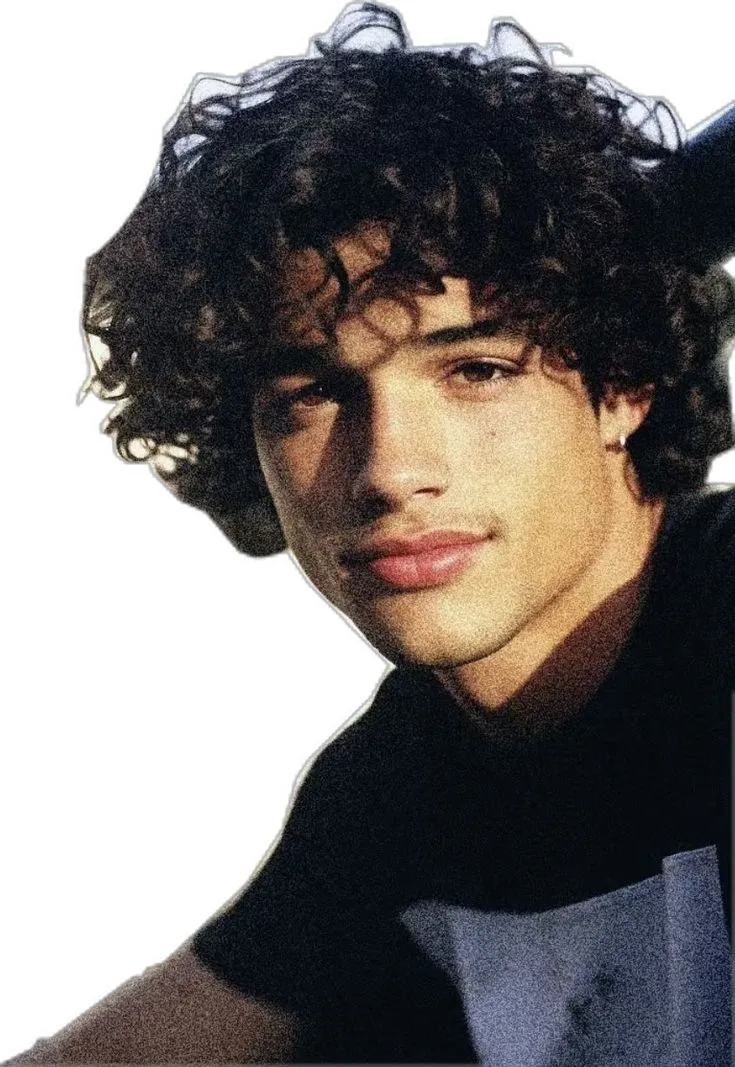
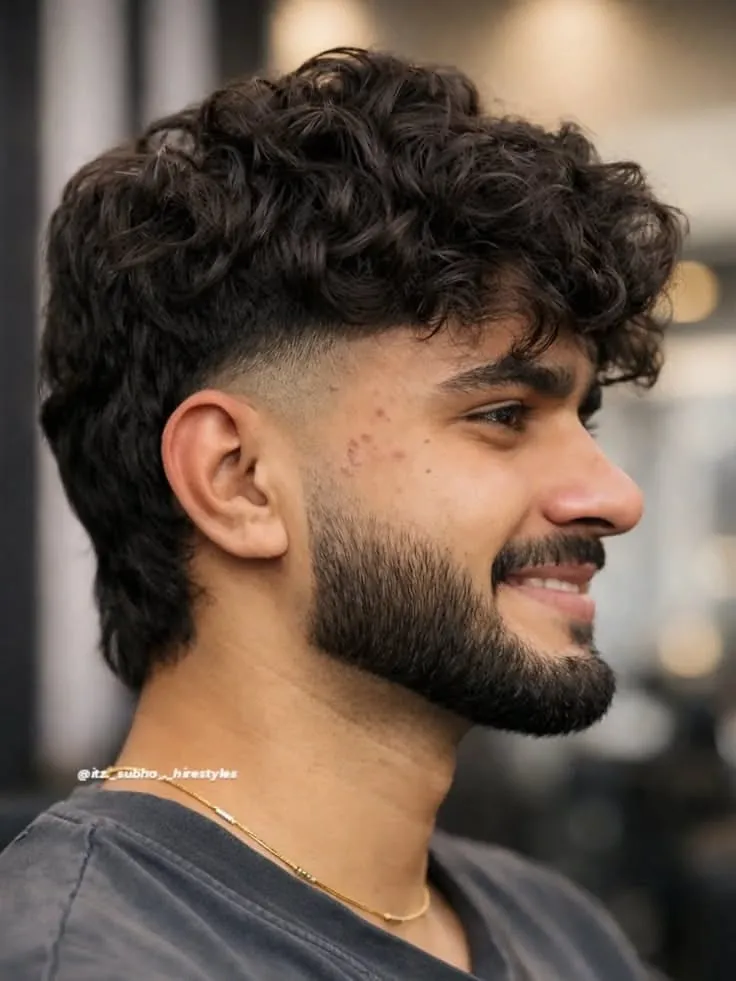
7. Short Curly Fringe
A curly fringe retains a little length around the forehead while keeping the sides manageable. The curl pattern does much of the styling work, so cutting the top too short can remove the movement you wanted. The exact front length should be decided with shrinkage in mind.
What to tell your barber: Show a dry-hair reference and discuss how much the curls shorten as they dry; avoid aggressively thinning the curl pattern.
Styling: Apply a little leave-in conditioner or curl cream to damp hair and let the curls settle without excessive brushing.
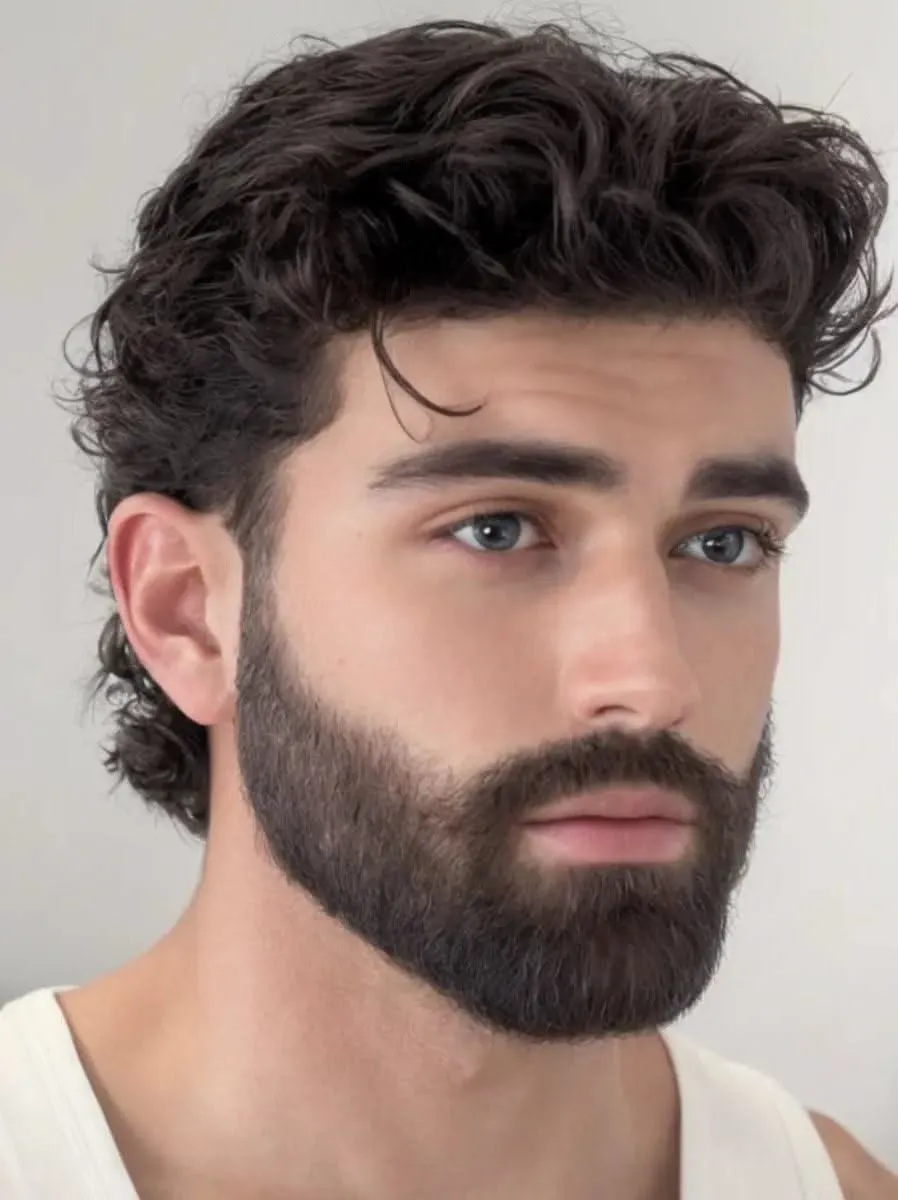
8. Short Low Fade
A low fade places the gradual blend near the ear and neckline rather than high up the sides. Paired with a short textured top, it looks tidy while keeping more visual fullness above the blend. It is a good reference if a high fade feels too dramatic for your taste.
What to tell your barber: Point to the height where the fade should begin and say whether you prefer a skin-close finish or a shadow fade.
Styling: Style the top for your texture; the side outline will need trims if you want it to remain sharp.
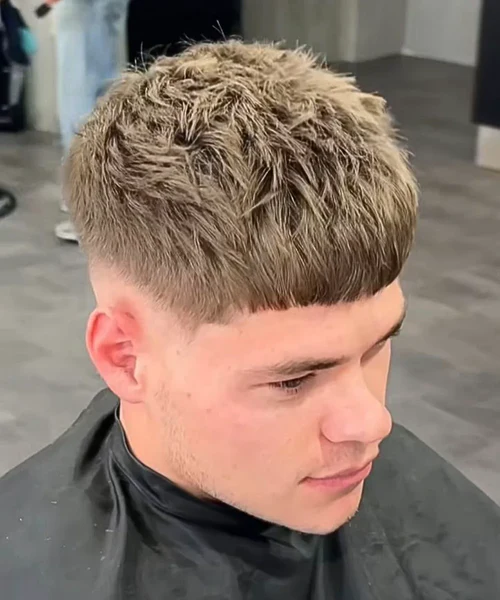
9. Caesar Cut
A Caesar cut usually features a short, fairly even top with a forward-directed fringe. Compared with a tall quiff, the silhouette is flatter and more compact. It is useful for anyone who prefers a straightforward top shape, although the fringe should still be adjusted to the natural hairline.
What to tell your barber: Keep the top relatively even and direct the fringe forward, then confirm whether the edges should look clean or softly textured.
Styling: Comb or finger-style forward; avoid heavy products that make the fringe separate into large pieces.
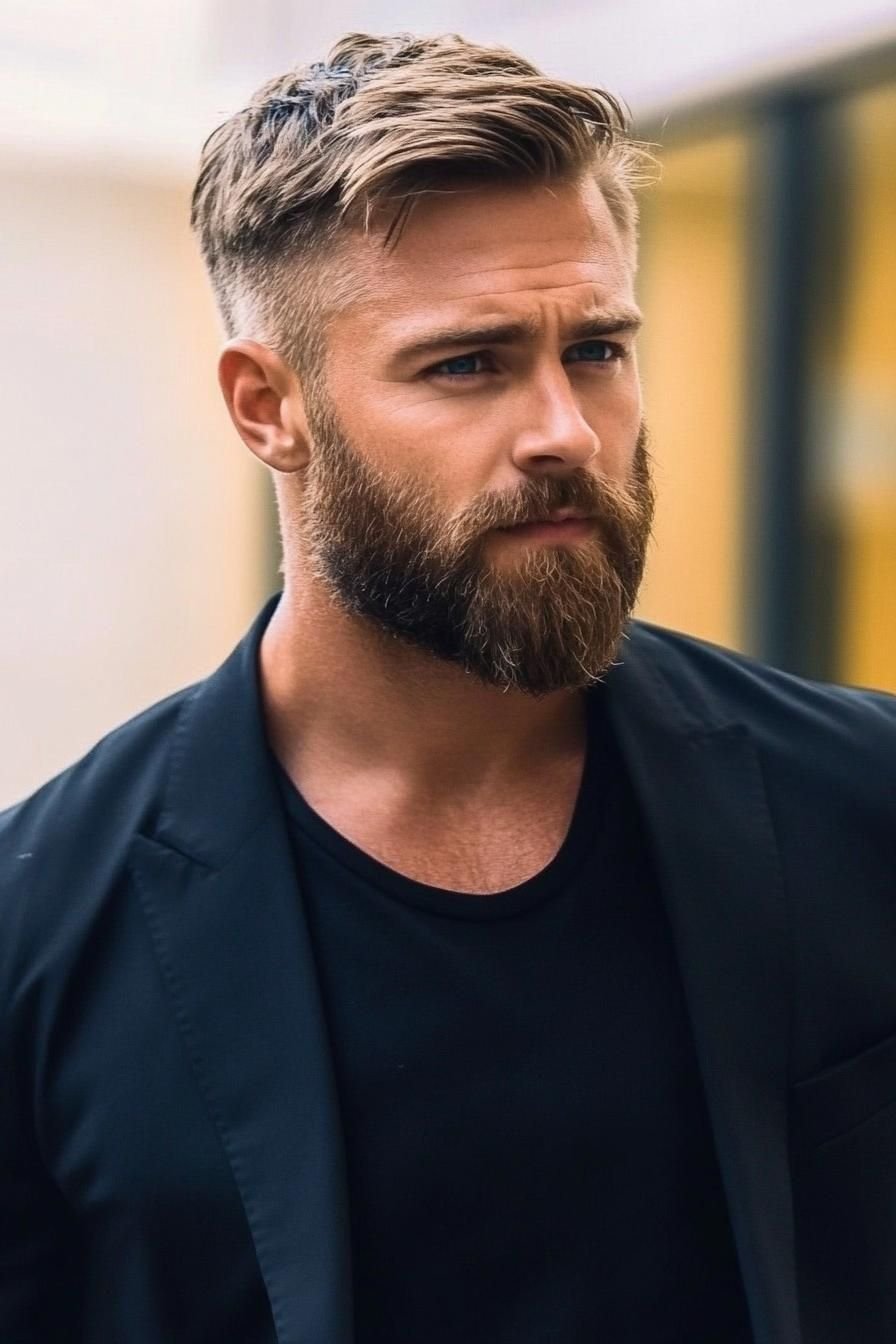
10. Short Spiky Fade
A short spiky style uses small lifted sections through the top rather than a single smooth sweep. It can create a more energetic finish on straight or slightly wavy hair. The trick is to keep the texture soft so the spikes look intentional rather than stiff.
What to tell your barber: Leave short, textured sections on top and blend the sides gradually; tell your barber how much height you want.
Styling: Work a tiny amount of lightweight paste through dry hair, lifting just a few sections with your fingers.
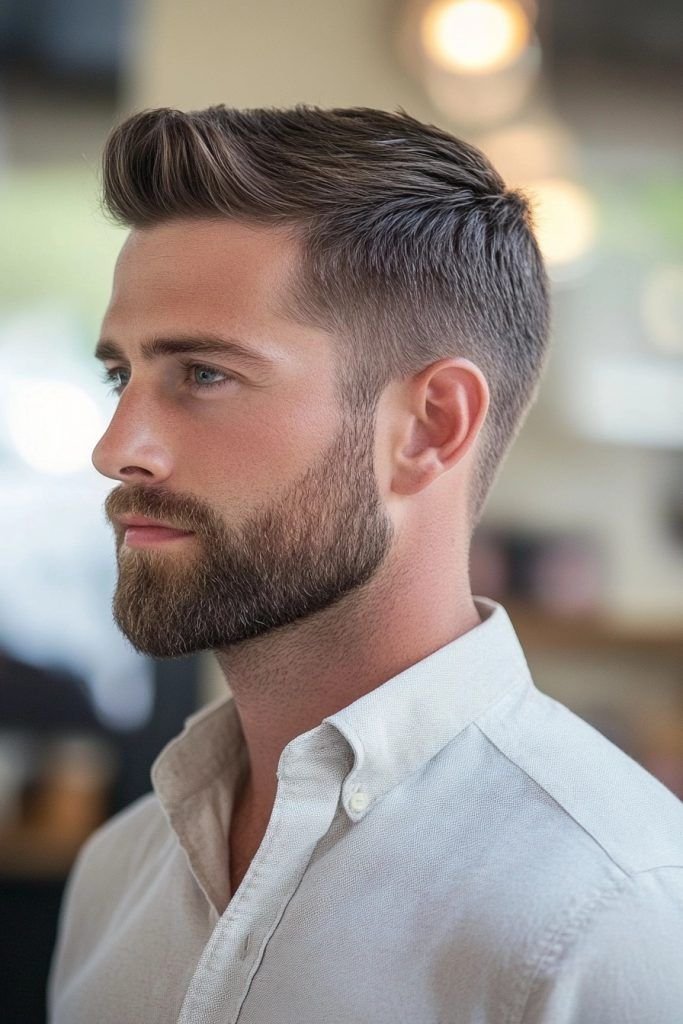
11. Short Comb Over Fade
A comb over uses a directional side sweep rather than a vertical quiff or forward fringe. Keeping the top short makes it easier to manage and gives a versatile shape for many workplaces. It works best when you follow the hair’s natural direction instead of forcing an unnatural part.
What to tell your barber: Ask to keep sufficient length across the front to move to one side, with a subtle fade or taper that does not overwhelm the part.
Styling: Comb the hair slightly to the side while damp and finish with light cream if extra control is required.

12. High and Tight
A high and tight keeps the sides very close with a distinct short section on top. The silhouette is compact and exposes more of the sides than a classic crew cut. It is simple to style but requires a deliberate decision about where the short sides stop and the top begins.
What to tell your barber: Show a front and side reference; confirm the top’s width, how high the short sides rise and whether you want any soft blending.
Styling: Little or no product; regular trims keep the strong outline consistent.
How to Choose the Right Short Haircut
Start With Your Natural Texture
Straight hair tends to show clean lines clearly, so cropped fringes, Ivy League cuts and side-swept shapes can work well. Wavy hair often looks best when a little length is left for movement instead of flattening the waves. Naturally curly hair needs enough length to form the curl pattern, even in a short style. Compare our straight hair hairstyles, wavy hair hairstyles and curly hairstyles guides.
Decide How Close You Want the Sides
A taper usually keeps more weight on the sides, with shorter hair mainly near the temples and nape. A fade creates a more visible graduation of lengths across the side and back. Low, mid and high describe the general fade placement; skin fade describes the shortest section. A haircut can look completely different depending on which of these details you choose.
If you want to compare those options before the barber visit, open the fade haircuts hub or look at low fades, mid fades and skin fades.
Think About Your Hairline and Density
A crop with a loose fringe may sit comfortably around different hairlines, but a very short buzz cut exposes the scalp and hairline more clearly. For fine-looking or thinning hair, choosing a tidy shape with modest volume can be more realistic than copying a thick, heavily styled quiff. For dense hair, a barber can remove bulk where necessary without destroying the overall shape.
Browse thin hair hairstyles and thick hair hairstyles for examples with similar hair characteristics.
Choose a Realistic Morning Routine
Some hairstyles look effortless in photographs because a stylist has spent time preparing them. If you don’t use a hairdryer, a tall quiff may not be the most practical choice. A buzz cut, textured crop or natural curly fringe may fit a simpler routine. Ask the barber which products and techniques were used to achieve your chosen reference.
Short Hairstyles by Face Shape
Face shape can guide how you balance the width of the sides and the height or direction of the top, but it doesn’t determine which hairstyles you’re allowed to wear. Use the face shape hairstyle guide to compare options, then consider texture and maintenance too.
- Round faces: a textured quiff or cropped top with tidy sides can add visual structure, while a soft fringe creates a different, equally valid effect.
- Square faces: a crew cut or fade can emphasize an angular outline; a textured fringe can soften it.
- Oval faces: consider your hair texture and lifestyle first because many short silhouettes can work.
- Diamond faces: a little fringe or fullness near the temples can change the balance around the cheekbones.
- Heart faces: explore side-swept and lightly textured tops rather than automatically choosing maximum height.
- Oblong faces: compare short fringes and moderate top volume with taller quiffs to see which effect you prefer.
Short Haircut Maintenance: How Often Should You Trim?
There is no universal trimming schedule. A very close fade can start to lose its crisp transition after a couple of weeks, particularly around the ears and neck. A softly tapered crop may look acceptable for longer, and a short quiff can change shape gradually as the front grows. If you like precision, discuss a maintenance plan with your barber; if you prefer fewer visits, ask for a cut that grows out naturally.
Short hair still benefits from gentle washing that suits your scalp, and you don’t need heavy styling products every day. For matte texture, begin with less product than you think you need. For lifted fronts, dry in the direction you want before setting the hair. Avoid constantly forcing curls into a straight shape if you prefer their natural movement.
What to Tell Your Barber: Short Haircut Checklist
- Top length: Ask exactly how much length will remain at the front and crown, preferably in inches or centimetres.
- Fade height: Point to the level where you want the blend to start; don’t just say “normal fade.”
- Shortest length: Clarify whether the blend should end at skin or retain short visible hair.
- Fringe: Say whether it should be blunt, soft, forward, swept sideways or lifted.
- Texture: Ask for natural movement rather than assuming every short cut needs aggressive thinning.
- Maintenance: Explain how frequently you want to return for a trim and whether you use styling products.
Example barber script: “I want a short textured crop with a low taper. Please leave some length on top so it moves naturally, keep the fringe soft and do not take the sides up to a high skin fade. I have front and side photos—can you adapt them to how my hair grows?”
Short Crop vs Buzz Cut vs Crew Cut
A buzz cut is clipped very close, usually without much styling length. A crew cut stays short but often leaves more hair toward the front, creating a subtle shape. A textured crop keeps enough top length to show separation and movement, commonly with a forward or relaxed fringe. If you want almost no morning effort, a buzz cut may appeal; if you want to change the way the top falls, a crop provides more options.
For a broader comparison of those techniques, visit haircuts for men.
Frequently Asked Questions About Short Hairstyles for Men
What are the best short hairstyles for men?
Textured crops, French crops, crew cuts, buzz cuts, short quiffs, Ivy League cuts and low fades are useful starting points. Your ideal choice depends on hair texture, hairline and how much maintenance you enjoy.
Which short haircut needs the least daily styling?
A buzz cut generally needs very little morning styling, and a simple crew cut or natural textured crop can also be low effort. A precise fade may need frequent barber visits even though it is quick to style.
Is a short hairstyle good for thick hair?
Yes. Crew cuts, French crops and textured short cuts can all work with thick hair. Ask the barber to shape the bulk selectively rather than thinning every section indiscriminately.
What short hairstyle works with curly hair?
A short curly fringe, cropped curls or curly top with a low taper can keep natural shape while tidying the sides. Discuss curl shrinkage before deciding the finished length.
Are fades and short hairstyles the same thing?
No. A fade describes the gradual shortening of the sides and back, while a short hairstyle describes the overall length and shape. You can combine a fade with crops, crew cuts or longer tops.
How do I show my barber the short haircut I want?
Save clear front and side photos. Point out the length on top, where the fade or taper starts, the fringe direction and whether you want a skin-close finish. Ask the barber to adapt the reference to your own hair.
Explore More Hairstyle Ideas
If you want more length to experiment with, explore medium hairstyles for men or long hairstyles. If you want to choose by texture, browse hairstyles for men, or open the hairstyle images gallery to save more photo references. You can also pair your new cut with ideas from beard styles for men.