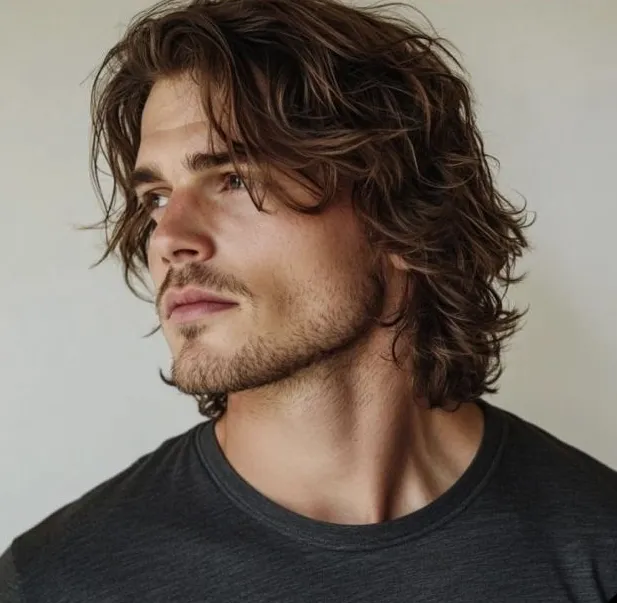
Straight hair hairstyles for men include textured crops, short fringes, fades, side parts, quiffs, medium curtains and longer straight layers. Straight hair can create precise haircut lines, but some strands tend to fall flat or resist changes in direction. Select a style based on strand thickness, natural hairline, face shape and the amount of styling you actually enjoy.
Quick Answer: Best Haircuts for Men With Straight Hair
Versatile options are the textured crop, French crop, side part, low taper, crew cut, medium curtains, brushed-back medium hair and long straight layers. If your hair is fine, avoid overly heavy products; if your hair is thick, ask for controlled layering instead of excessive thinning.
How to Choose a Straight Haircut
Straight hair shows the shape of a haircut clearly. Start by deciding how much time you want to spend styling, then look at how your hair grows at the front and crown. A cowlick, a strong side part or hair that falls forward can make a reference photo look different on you. Ask your barber to adapt the shape instead of copying every detail.
For a low-effort cut, a short crop, crew cut or neat taper is a practical starting point. A side part needs enough length to follow the natural parting. Curtains and swept-back styles need more length at the front and may need a blow-dry to stay in place.
Short, Medium and Long Straight Hair
Short straight hair can look sharp with a textured crop, soft fringe or low taper. Request a natural finish if you prefer less contrast around the ears. A skin fade looks cleaner for longer between daily styling sessions, but the fade itself needs regular touch-ups.
Medium-length straight hair offers room for curtains, a loose side sweep or a brushed-back style. Ask the barber to leave enough length at the front to reach your preferred position when dry. For long hair, subtle layers can create movement while retaining a strong outline at the ends.
Fine, Thick and Indian Straight Hair
Fine straight strands may fall flat under heavy wax or oil. A lighter product and a cut that keeps some fullness can make styling easier. Hair density varies independently of strand thickness, so tell your barber whether your concern is individual fine strands, visible scalp, or both.
Thick straight hair can stand out at the sides or feel heavy on top. Controlled scissor work can reduce bulk while keeping the outline balanced. Indian men can choose any of these styles; individual growth patterns, density and preferred maintenance matter more than a single assumed hair type.
Face Shape and Professional Styling
For a round face, a little height on top or a side part can add a longer visual line. For an oval face, try a crop, curtains or side sweep and adjust the fringe to your preference. A square face can carry a neat taper or a softer, textured top. These are starting points rather than fixed rules.
For work, try a scissor taper, understated side part or brushed-back medium cut. Ask for a natural neckline and a finish that can be restyled with your fingers. If you wear a beard, discuss whether the sideburn should blend into it or remain clearly defined.
How to Ask Your Barber and Style It
Show a front and side reference and explain the desired length at the fringe, crown and sides. Ask where the taper or fade begins, whether the fringe is blunt or soft, and how the cut will sit without product. If you are growing the top, say so before the scissors come out.
To style, towel-dry gently and direct the hair with your fingers or a brush. For volume, use a dryer on a comfortable heat setting and lift the roots while directing air from the side. Finish with a small amount of lightweight clay or cream; add more only if needed. Wash out buildup and adjust the routine to your scalp.
Choosing a Fringe and Parting
A fringe can sit straight across the forehead, fall loosely to one side or be brushed upward. The result depends on your hairline and growth direction. If the front naturally separates, ask for a cut that works with that separation rather than forcing a perfectly straight line every morning. Decide where you want the fringe to sit after your hair dries.
A centre part needs enough front length to fall away from the parting. A side part can be subtle and natural, or more sharply defined. Before asking for a shaved hard part, consider how it will look as it grows and whether you want to maintain it.
Straight Hair and Daily Maintenance
Straight hair can show product buildup and uneven cut lines quickly. A light styling routine makes it easier to see how the shape actually behaves. Start with clean, damp hair, direct it where you want it and let it dry. If it stays in place, you may need little or no product.
Fine hair can be weighed down by a heavy cream, while coarse hair may benefit from slightly more control. Experiment with a small amount, focusing on the mid-lengths and ends. If your scalp feels irritated, stop using the product and choose a routine suited to your needs.
Growing Out a Short Haircut
Growing a crop into curtains or a longer sweep takes patience because the fringe, sides and crown may grow into awkward stages at different times. Tell your barber your end goal and ask for a tidy-up that protects the length you need. Take photos over time to see how the shape changes.
Keep a realistic reference for the transition. Your hair may need more or less length than the person in the picture before it falls similarly. Instead of repeatedly cutting the front, adjust the parting or use a light product while it grows. A soft neckline and ear area can keep the overall shape tidy.
8 Straight Hair Hairstyles With Photos
Textured Crop
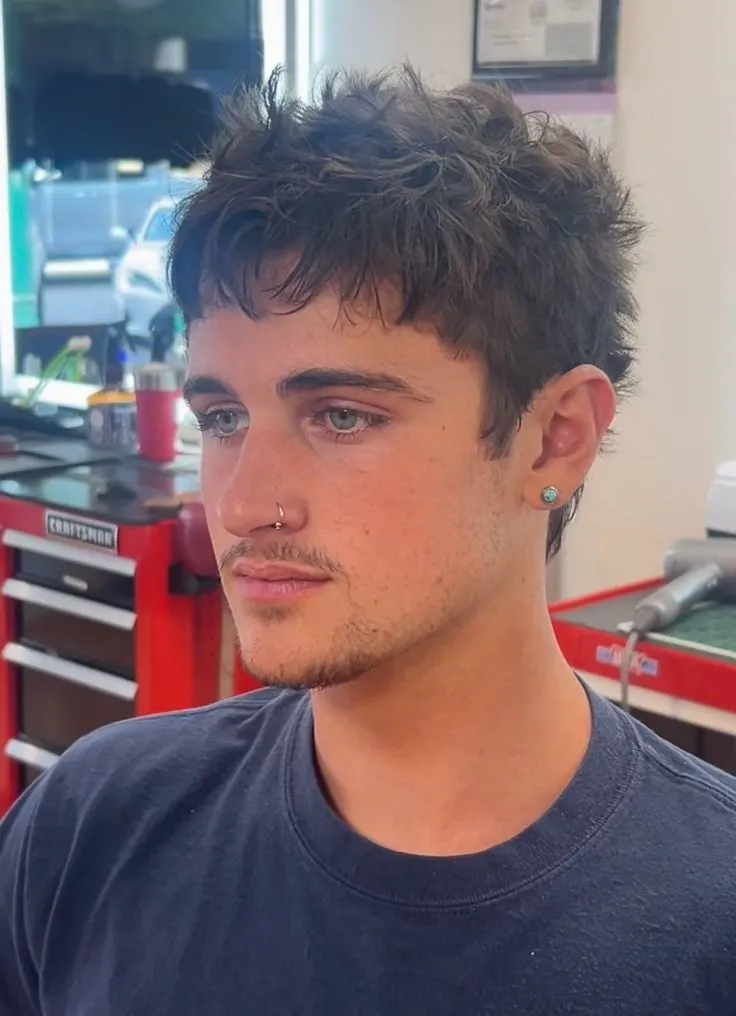
A textured crop creates movement in short straight hair. Ask for a soft, separated top and a manageable fringe rather than a rigid flat line.
Barber tip: Show the top length, fringe direction and side outline in your reference photo.
Straight Fringe With Fade

A forward fringe contrasts with neatly faded sides. Choose whether you want a blunt fringe, soft texture or a longer eyebrow-level front.
Barber tip: Show the top length, fringe direction and side outline in your reference photo.
Short Side Sweep

A simple short sweep follows the natural direction of the hair and works well if you want a tidy everyday look without a hard part.
Barber tip: Show the top length, fringe direction and side outline in your reference photo.
Short Straight Hair Fade

The fade adds a clean outline. Explain where the blend should begin and whether you want to see some darkness above the ears.
Barber tip: Show the top length, fringe direction and side outline in your reference photo.
Medium Textured Straight Hair

Medium straight layers provide enough hair to change the front direction or create light texture. Avoid overly aggressive layering on fine hair.
Barber tip: Show the top length, fringe direction and side outline in your reference photo.
Middle-Part Curtains

Straight curtains need enough length to part naturally and fall around the forehead. A gentle blow-dry can help direct the front.
Barber tip: Show the top length, fringe direction and side outline in your reference photo.
Professional Swept Back

Medium straight hair can be brushed back for a neat finish. Use flexible hold and keep sufficient length at the crown.
Barber tip: Show the top length, fringe direction and side outline in your reference photo.
Long Straight Layers

Long straight hair can retain its movement with subtle layers. The cut should preserve fullness at the ends when density is low.
Barber tip: Show the top length, fringe direction and side outline in your reference photo.
Straight Hairstyle Photos and Reference Ideas


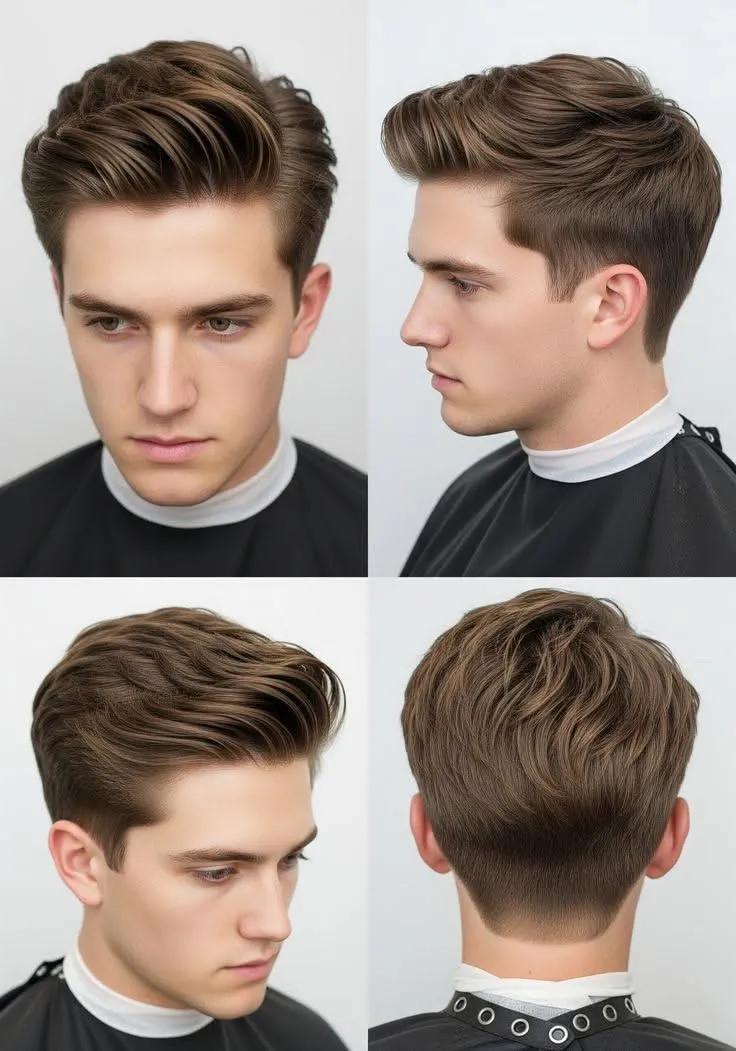

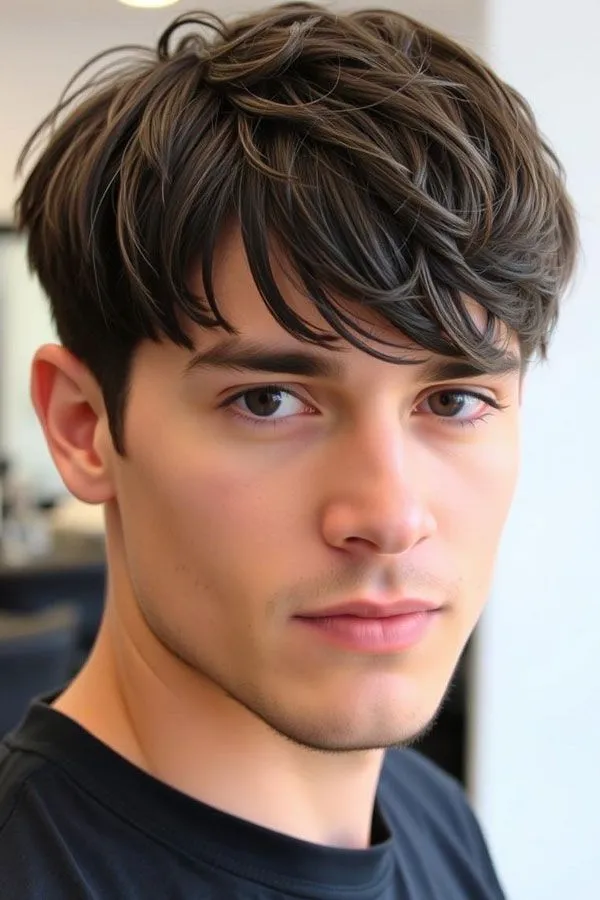


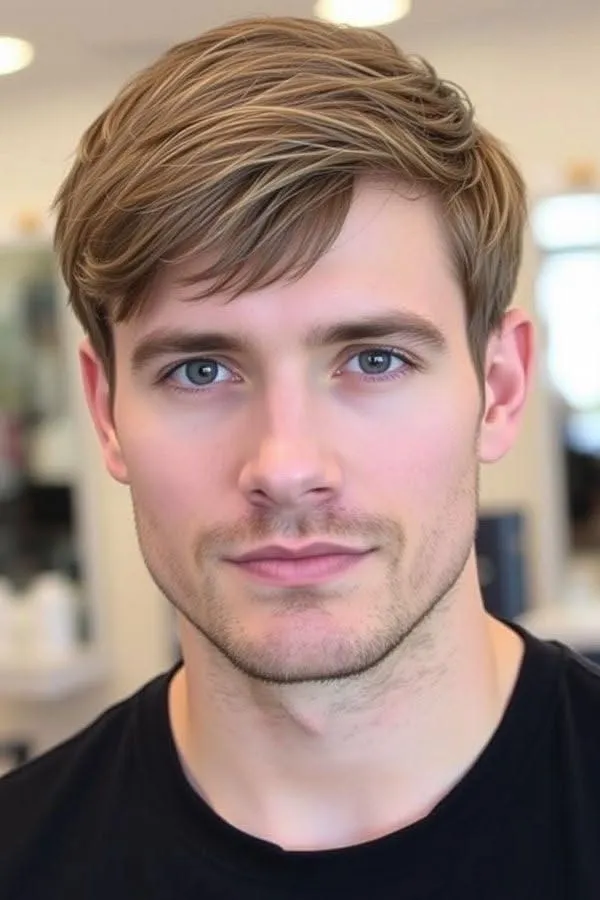


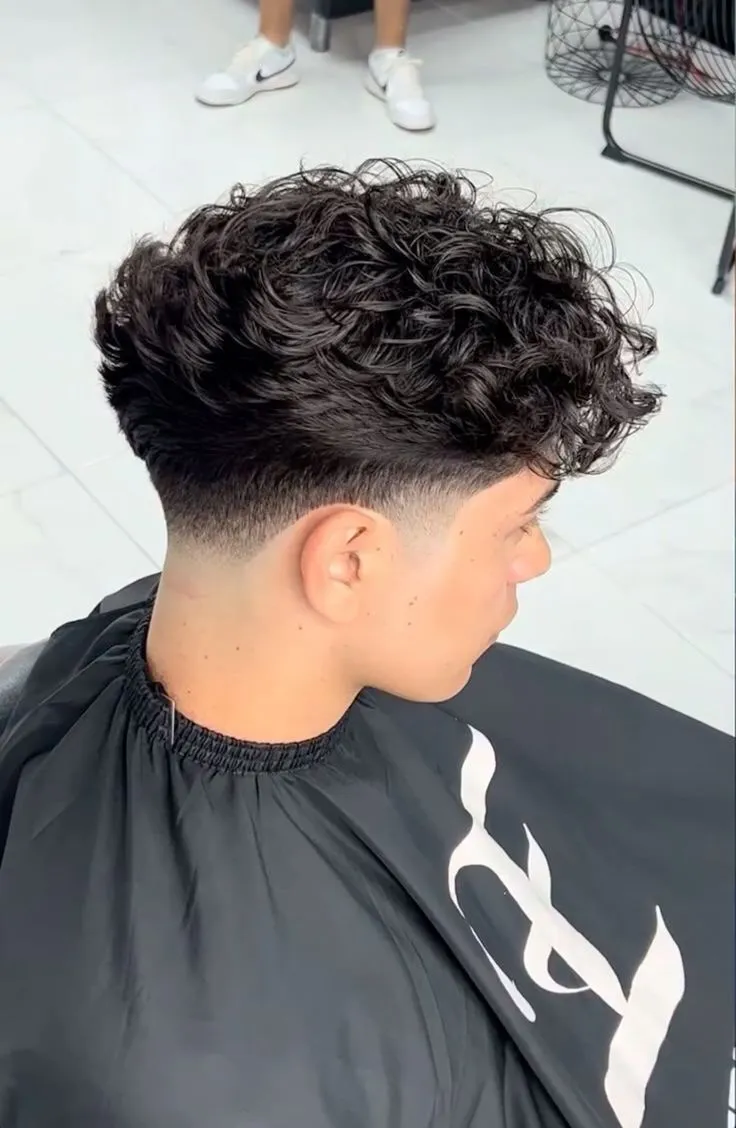


Short Straight Hairstyles for Men
Short crops, fades and fringes are easy to compare because the natural shape is visible. Avoid taking the fringe too short if you want to style it forward. Explore short hairstyles for men.
Medium and Long Straight Haircuts
Medium hair works with side parts, curtains or brushed-back styles. Long hair can be worn layered or tied back. Show photos with similar hair density and explain whether you want a professional finish. Browse medium hairstyles and long hairstyles.
Straight Hair for Round, Oval and Square Faces
A quiff or side part can add visual height; a fringe creates a softer line across the forehead. No style is required by face shape, and the natural hairline matters. See hairstyles by face shape.
Thin vs Thick Straight Hair
Fine strands can be weighed down by heavy product, while thick straight hair may stick out without weight control. Ask for texture or layers appropriate to your density and choose a routine you can reproduce daily. Compare thick hair and thin hair advice.
How to Style Straight Hair With More Volume
- Start with a haircut that leaves manageable length at the front.
- Dry the roots in your preferred direction using gentle heat if needed.
- Try a small amount of lightweight matte paste or cream rather than loading the roots.
- Work with your natural part and ask how the style will look without product.
- Tell your barber whether you prefer an easy daily routine or extra styling effort.
Frequently Asked Questions
What is the best hairstyle for straight hair men?
Crops, side parts, medium curtains and swept-back styles are versatile choices. Hair density and your routine determine which one is best.
How can straight hair have more volume?
A suitable layered cut and gentle root-directed drying can help. Avoid too much heavy product.
Is a textured crop good for fine straight hair?
It can be when the barber leaves enough weight on top and avoids overly aggressive thinning.
Can straight hair be styled into curtains?
Yes. Leave sufficient fringe length and follow the natural part.
What is a professional medium straight haircut?
A clean side part or swept-back style can be neat and adaptable for many workplaces.