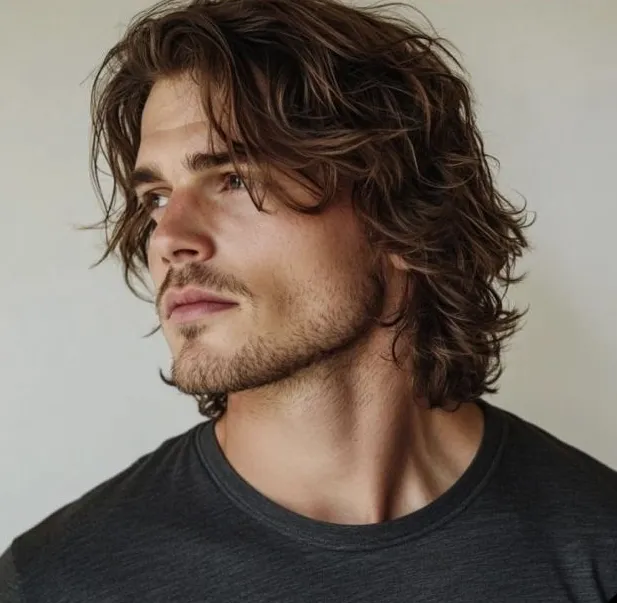
Thick hair hairstyles for men should turn natural fullness into an intentional shape instead of treating volume as a problem. Dense hair may puff around the sides, resist a part or look bulky as it grows. Textured crops, classic tapers, quiffs and longer layers can work well when the haircut controls weight without flattening texture.
This original guide groups relevant thick hair hairstyles for men by length, texture, face shape and daily styling effort. Each photo is a separately editable block using our existing hairstyle Media Library; barber notes explain how to adapt the look to your own hair.
Quick Answer: Best Thick Hair Hairstyles for Men
Useful choices include short textured haircuts, a natural taper, medium layered movement and longer flow where the hair supports it. Start with how your hair dries naturally, then decide how much length to keep and whether you prefer a polished or relaxed finish.
How to Choose a Hairstyle for Thick Hair
Thick hair can mean a lot of individual strands, thick individual strands, or both. Each affects how a cut sits. Dense hair can create a full shape, while coarse strands may hold their direction strongly. Your barber should assess the way your hair grows before deciding where to remove weight.
Start with your preferred daily routine. A compact crop or short scissor cut can be straightforward in the morning. A medium sweep, fringe or layered flow offers more movement, but it may take longer to dry and style. The best cut is one that keeps the shape you want as it grows.
Short Thick Haircuts
A textured crop keeps the top short and brings the fringe forward. Ask for texture that separates the hair without leaving visible gaps. A crew cut or short side sweep gives a tidy outline, while a taper keeps the edges neat without taking the sides down to skin.
If you like a fade, decide how high it should start and how much weight should remain at the sides. A low fade gives a different silhouette from a high fade. Sharp fades need regular maintenance, even when the hair on top requires little styling.
Medium and Long Thick Hairstyles
Medium hair can be swept back, parted loosely or worn as a layered fringe. The front needs enough length to move in the direction you choose. Ask the barber to keep the top connected to the sides so that it does not look like a separate cap of hair.
Long thick hair benefits from a planned shape around the face, sides and ends. Carefully placed layers can help the hair move, but excessive thinning can leave uneven ends or make the hair expand. Show the stylist whether you usually wear it loose, behind the ears or tied back.
Straight, Wavy and Curly Thick Hair
Thick straight hair may stand out at the sides when cut very short. A little extra length and controlled scissor work can help it settle. For wavy hair, leave enough length for the wave to develop rather than cutting away the pattern you want to show.
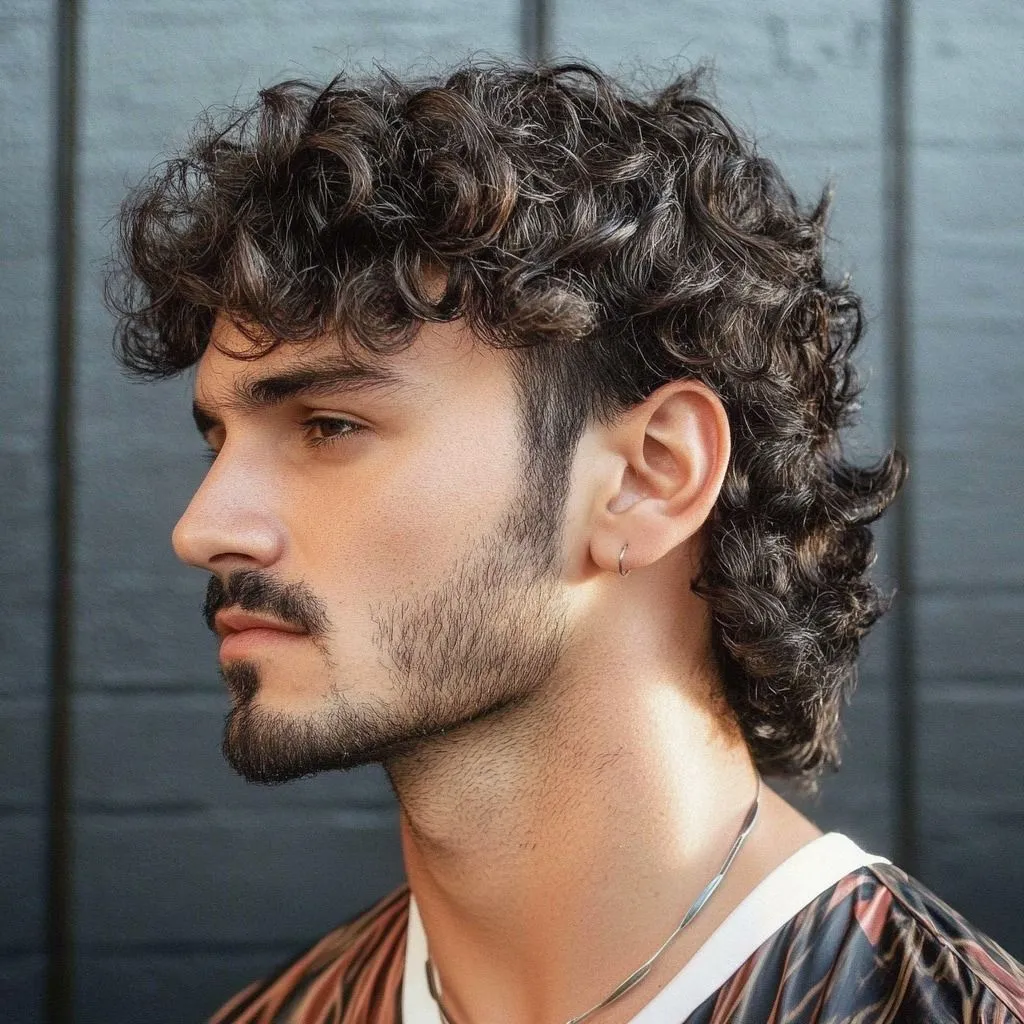
Thick curls need space to form and can look shorter when dry. Ask for a gradual cut and a check of the finished shape once dry. Density alone does not determine a style: your wave or curl pattern, strand thickness and growth direction all matter.
Face Shape and Professional Looks
A little height or an off-centre part can visually lengthen a round face. For a longer face, keeping some width around the sides can create balance. An oval or square face works with many options, from a textured fringe to a side part. These are suggestions, not strict rules.
For an office-friendly look, try a soft taper and side sweep, a short crop or a controlled medium cut. With a beard, discuss whether the sideburns should blend gradually. A clean outline and a manageable routine often matter more than choosing one named haircut.
What to Tell Your Barber
Bring front and side photographs of a similar hair texture. Describe the length you want at the fringe, crown, sides and neckline. Explain whether the hair puffs out, falls forward or develops a cowlick as it grows, and ask the barber to remove weight selectively rather than simply making everything shorter.
Ask how the style will look without product and how often the outline needs a trim. If you are growing the top, say so before the cut begins. For curls or waves, explain the dry length you want because the wet length may not match the finished result.
Easy Styling and Care
Towel-dry gently and use a comb or fingers to place the hair. A dryer on a comfortable setting can direct the roots and help a sweep hold its shape. Start with a small amount of cream, paste or clay and add more only if necessary; too much product can leave thick hair stiff or heavy.
Choose a washing and conditioning routine that suits your hair and scalp. Product buildup can affect how the cut sits, so cleanse when needed. If you have a persistent scalp problem, ask a qualified professional for advice instead of relying on a hairstyle to resolve it.
Growing Out Thick Hair
As thick hair grows, the sides and crown can reach different lengths and create unexpected volume. Tell your barber which areas you want to grow and ask for a small shape adjustment instead of removing length everywhere. A side photo helps show where the outline feels too wide or heavy.
A medium flow takes time to develop, especially if the front was previously very short. Use a light product to guide the hair during the transition and reassess the shape as it grows. The goal is a cut that works with your natural texture at each stage.
12 Thick Hair Hairstyles for Men: Photo References and Barber Tips
Thick Straight Short Sweep

A short sweep works with the natural direction of thick straight hair while keeping a structured outline.
What to tell your barber: Preserve enough weight to stop the hair from standing out too sharply.
Daily care: Use the lightest styling routine that preserves your natural pattern; choose products based on your scalp comfort and desired finish.
Thick Wavy Hair

Wavy thick hair adds natural movement and may benefit from selective layering to reduce side bulk.
What to tell your barber: Ask for a shape that follows the wave pattern as it dries.
Daily care: Use the lightest styling routine that preserves your natural pattern; choose products based on your scalp comfort and desired finish.
Thick Medium Wavy Layers With Beard

Layered waves paired with a beard can create a balanced silhouette without requiring a skin fade.
What to tell your barber: Discuss crown bulk and the sideburn-to-beard transition.
Daily care: Use the lightest styling routine that preserves your natural pattern; choose products based on your scalp comfort and desired finish.
Thick Layered Medium Flow

A medium flow works best when thick hair is shaped to move rather than grow into a solid block.
What to tell your barber: Place layers carefully and avoid thinning the outer ends excessively.
Daily care: Use the lightest styling routine that preserves your natural pattern; choose products based on your scalp comfort and desired finish.
Very Thick Long Curly Hair

Long thick curls need a plan for curl volume, shrinkage and detangling.
What to tell your barber: Keep the target dry length in mind when shaping longer curls.
Daily care: Use the lightest styling routine that preserves your natural pattern; choose products based on your scalp comfort and desired finish.
Thick Short Curly Fade

A close side blend makes thick curls on top feel more defined.
What to tell your barber: Decide the fade height and preserve enough length for curl formation.
Daily care: Use the lightest styling routine that preserves your natural pattern; choose products based on your scalp comfort and desired finish.
Thick Medium Curly Style

Medium thick curls can maintain an impressive full shape if the bulk is distributed thoughtfully.
What to tell your barber: Check the crown and lower sides for unwanted heaviness.
Daily care: Use the lightest styling routine that preserves your natural pattern; choose products based on your scalp comfort and desired finish.
Thick Long Wavy Hair

Long wavy thickness lends itself to flowing layers and swept-back finishes.
What to tell your barber: Ask for longer layers that preserve density at the ends.
Daily care: Use the lightest styling routine that preserves your natural pattern; choose products based on your scalp comfort and desired finish.
Messy Thick Curly Texture

A relaxed thick curly top emphasizes texture without a rigid fringe.
What to tell your barber: Maintain a balanced perimeter and avoid aggressive thinning.
Daily care: Use the lightest styling routine that preserves your natural pattern; choose products based on your scalp comfort and desired finish.
Thick Wavy-Curly Profile

Mixed wavy and curly textures can require different lengths around the same head.
What to tell your barber: Discuss how varied curl patterns will settle in the finished cut.
Daily care: Use the lightest styling routine that preserves your natural pattern; choose products based on your scalp comfort and desired finish.
Thick Curly Mullet Fade

A modern curly mullet highlights volume on top and through the longer nape.
What to tell your barber: Show front and side reference photographs and confirm the back length.
Daily care: Use the lightest styling routine that preserves your natural pattern; choose products based on your scalp comfort and desired finish.
Very Long Thick Curly Hair

The extra length changes the weight and fall of thick curls and makes gentle detangling more important.
What to tell your barber: Trim carefully for shape while preserving your length goals.
Daily care: Use the lightest styling routine that preserves your natural pattern; choose products based on your scalp comfort and desired finish.
More Thick Hair Hairstyles for Men Photo Inspiration
The additional images below provide different front and side views, hair lengths and texture variations. Every photo remains editable through the WordPress Gutenberg gallery.





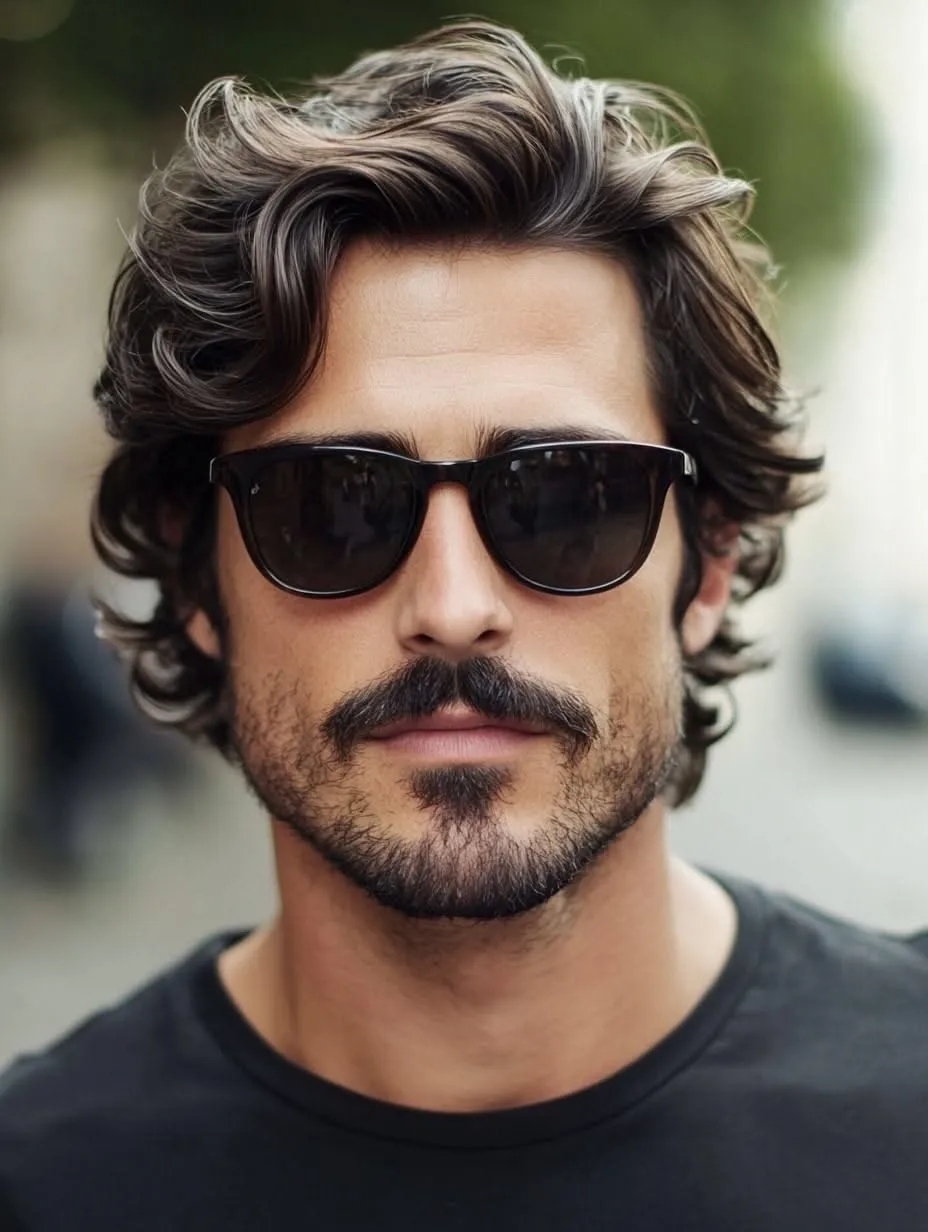
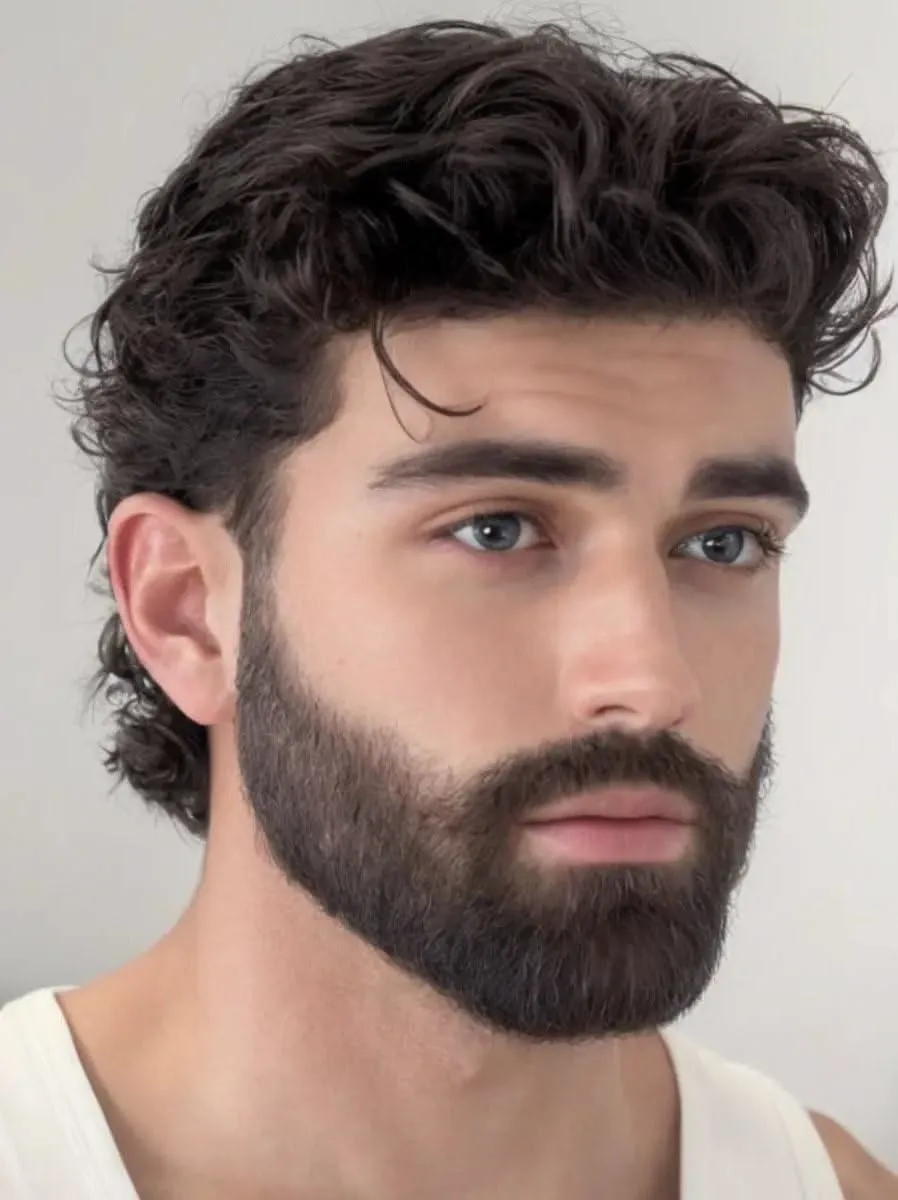


Short, Medium and Long thick hair hairstyles for men
Short cuts keep a compact outline and show fade placement clearly. Medium styles allow more fringe movement and layering. Long hair needs a plan for detangling, weight and how it sits when dry. Compare short hair, medium hair and long hair guides.
Hair Texture, Density and Face Shape
A haircut should be adapted to the natural hair pattern and strand density. An oval, round or square face does not impose one haircut; changing the fringe, side volume or parting changes the effect. Compare our hairstyles by face shape guide for examples.
Professional Looks, Low-Maintenance Styles and Beard Pairings
A neat taper, brushed-back shape or controlled layered cut can feel more professional, while a loose fringe or longer flow may be more relaxed. Haircut maintenance and daily styling are separate decisions: sharp fades need regular trims even if they are easy to style. Facial hair is optional; if you wear a beard, ask how the sideburns should blend. See beard styles.
Barber Instructions and Styling Checklist
- Show a front and side reference featuring a hair texture similar to yours.
- Explain what happens to your hair after it dries naturally.
- Ask how the cut will grow out and how often it needs reshaping.
- Discuss fade height, side bulk, fringe placement and top length separately.
- Avoid copying a haircut that requires more styling time than you want to spend.
- Bring photographs and ask the stylist to adapt the details to your natural hair.
Related Haircut Guides
Compare straight hairstyles, wavy hairstyles, curly hairstyles, or explore the men’s hairstyle library for more reference photos.
Frequently Asked Questions
What hairstyles suit men with very thick hair?
Textured crops, soft tapers, quiffs and layered medium cuts can manage fullness while respecting natural texture.
Should barbers thin out thick hair?
Sometimes selective weight removal helps, but excessive thinning can make ends look uneven or frizzy.
Does thick hair mean high hair density?
Not necessarily. Strand thickness and number of hairs per area are separate characteristics.
Can thick hair be grown long?
Yes. Longer layers, careful detangling and a practical conditioning routine can help manage fullness.
How do you control bulky sides on thick hair?
A soft taper, graduated scissor cut or appropriately placed layers may reduce unwanted width.