Wavy hairstyles for men offer natural movement between straight and curly textures. Loose bends can make a crop look textured, a quiff feel relaxed and medium layers flow without rigid styling. The useful starting point is your natural wave pattern, where your hair gets bulky and how much time you want to spend styling.
This original guide groups relevant wavy hairstyles for men by length, texture, face shape and daily styling effort. Each photo is a separately editable block using our existing hairstyle Media Library; barber notes explain how to adapt the look to your own hair.
Quick Answer: Best Wavy Hairstyles for Men
Useful choices include short textured haircuts, a natural taper, medium layered movement and longer flow where the hair supports it. Start with how your hair dries naturally, then decide how much length to keep and whether you prefer a polished or relaxed finish.
Choosing a Haircut for Wavy Hair
Wavy hair can fall in loose bends or form stronger S-shaped waves. The pattern may show only after the hair grows past a certain length, and humidity, products and drying can change its appearance. Before choosing a cut, let your hair dry naturally and notice where it gains volume.
A short crop and taper suit men who prefer a compact shape. For more visible waves, leave enough length at the top for the pattern to form. Medium curtains, a loose side sweep and a layered flow offer more movement, while a longer cut needs an outline that sits comfortably around the ears and neck.
Short Wavy Hair: Crop, Fringe or Taper
A wavy crop keeps the fringe forward and makes use of natural movement. A low taper cleans up the edges without removing all the fullness from the sides. Ask your barber how much length will remain when your hair is dry, and decide whether you prefer a soft or defined fringe.
A fade creates stronger contrast between the sides and the top. Choose low, mid or high placement according to the look you want; a low fade usually leaves more weight higher on the sides. A fade may be quick to style but needs regular visits to retain a crisp blend.
Medium and Long Wavy Hairstyles
Curtains work when the front has enough length to fall on either side of the part. A side sweep can be easier if your hair naturally prefers one direction. For a relaxed bro flow, ask for a shape that moves back from the face without removing too much weight from the ends.
With longer waves, light layers can help distribute weight and prevent a solid triangular outline. The right amount depends on density and wave strength. Bring a photograph showing the finish you like and ask the stylist to check the shape once your hair is dry.
Face Shape, Density and Everyday Styling
A round face can be balanced with some height or an off-centre part, while a longer face may benefit from keeping some width at the sides. Oval and square faces can wear short or longer waves; adjust fringe and volume to the result you prefer. These are visual suggestions, not rules.
Fine wavy hair may lose movement under heavy creams. Start with a small amount of lightweight product. Thick wavy hair may need selective weight control, but excessive thinning can make the shape harder to manage. Density, strand thickness and wave pattern should be considered separately.
What to Tell Your Barber
Explain how your hair behaves after washing, how much time you have in the morning and whether you want the waves visible. Show the side and back of your reference, then specify the fringe position, side length and neckline. Ask the barber to leave enough length for the wave to appear.
At home, gently squeeze excess water out with a soft towel. Apply a small amount of styling cream or mousse to damp hair if useful, then air-dry or use a diffuser on low heat. Avoid repeatedly brushing dry waves if it makes your hair expand; adjust the routine to the finish you like.
Finding Your Natural Wave Pattern
Wavy hair often looks different at the roots, around the ears and at the ends. Some waves appear when hair is damp and loosen as it dries; others become more visible with length. Check your natural pattern before asking for a very short cut, because the shortest areas may no longer show a wave.
A reference photo is useful when its hair density and texture resemble yours. Tell the barber whether you prefer a controlled shape or a loose finish, and show how your hair looks on a normal day. A style that suits the way your wave falls will usually be easier to repeat.
Wavy Hair in Humid Weather
Humidity can make some waves expand or lose definition, but the result differs with texture, product and weather. If your hair gets puffy, try changing one part of the routine at a time: dry it gently, use less friction and test a small amount of light styling cream. More product is not always better.
For a lighter finish, apply product to damp hair and allow the waves to settle before touching them repeatedly. If you use a diffuser, choose low heat and airflow. A haircut with a manageable outline can help, but no single cut guarantees the same result in every climate.
Growing Out a Short Wavy Cut
When growing out a crop, the hair around the ears and neckline may feel untidy before the top is long enough for curtains or a flow. Ask for a light tidy-up and explain which areas you want to keep growing. Cutting too much off the top can delay the shape you are working toward.
Take a side and back photo every few weeks to see where the shape becomes heavy. At the next appointment, ask for targeted adjustment rather than an automatic all-over trim. Once the top has enough length, experiment with a centre part, side sweep or loose fringe.
12 Wavy Hairstyles for Men: Photo References and Barber Tips
Low Fade With Wavy Top
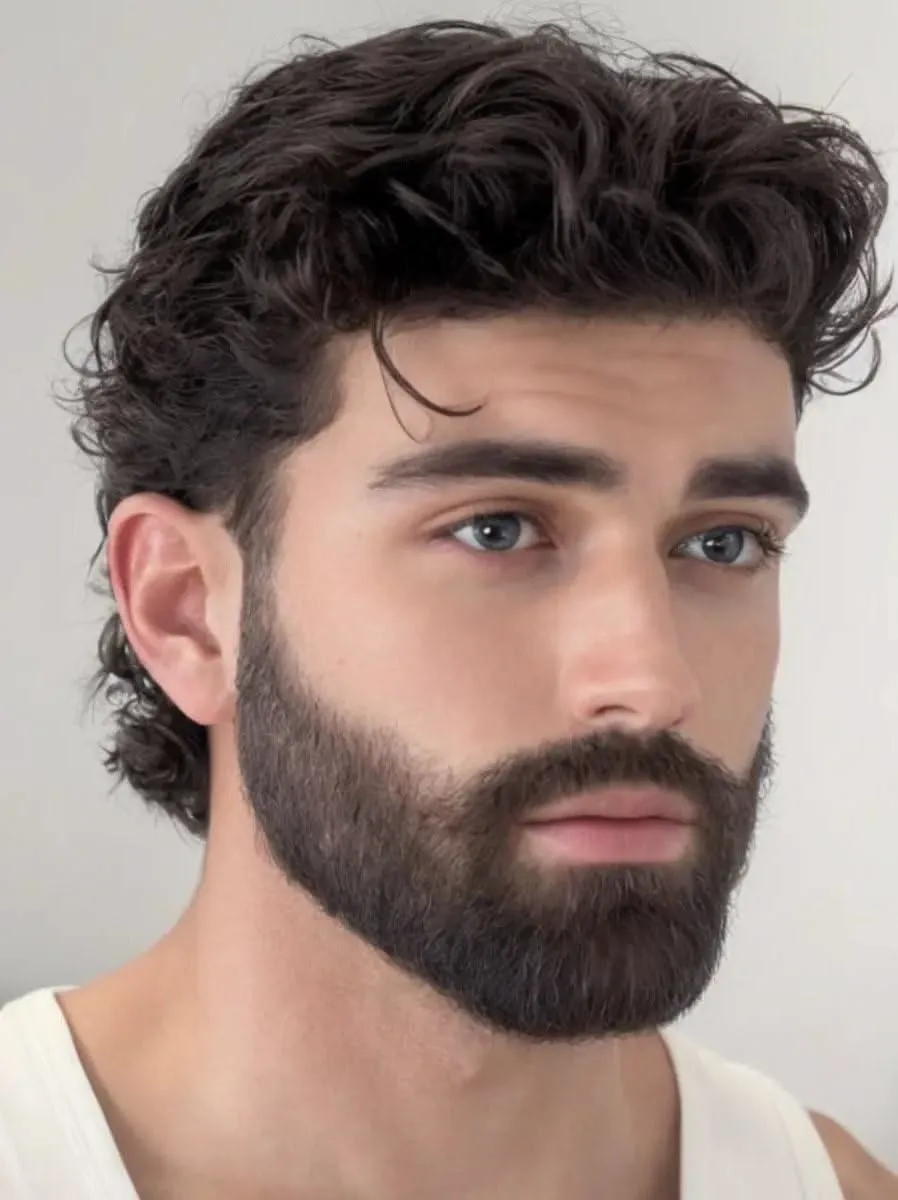
A low fade leaves much of the wave visible on top while gently shortening near the ears. It suits men who want neat sides without losing all the natural movement.
What to tell your barber: Ask for a low fade that follows your head shape and keeps sufficient top length for waves to form.
Daily care: Use the lightest styling routine that preserves your natural pattern; choose products based on your scalp comfort and desired finish.
Wavy Textured Quiff

A wavy quiff lifts the front while retaining soft bends rather than pushing every strand into a uniform pompadour.
What to tell your barber: Leave more length at the fringe, manage the crown and keep the lift relaxed.
Daily care: Use the lightest styling routine that preserves your natural pattern; choose products based on your scalp comfort and desired finish.
Side-Swept Wavy Fringe

A side-swept fringe frames the forehead and works with the natural direction of loose waves.
What to tell your barber: Keep enough front length for a sweep, with softly shaped sides.
Daily care: Use the lightest styling routine that preserves your natural pattern; choose products based on your scalp comfort and desired finish.
Wavy Curtains

Middle-part wavy curtains let the front separate while waves create a gentle face-framing outline.
What to tell your barber: Cut the front to the desired dry length and avoid thinning the bends too aggressively.
Daily care: Use the lightest styling routine that preserves your natural pattern; choose products based on your scalp comfort and desired finish.
Wavy Bro Flow

A bro flow lets medium hair move naturally back and away from the face, with softer edges than a tight fade.
What to tell your barber: Ask for light layers and enough side length for the waves to turn.
Daily care: Use the lightest styling routine that preserves your natural pattern; choose products based on your scalp comfort and desired finish.
Modern Wavy Mullet

A wavy mullet keeps a longer back with shorter sides or front sections. The contrast can be subtle or pronounced.
What to tell your barber: Use side and back photos to agree how long the nape should remain.
Daily care: Use the lightest styling routine that preserves your natural pattern; choose products based on your scalp comfort and desired finish.
Wavy Ivy League

A slightly longer short haircut can form a side-directed top while waves prevent it looking overly flat.
What to tell your barber: Keep the front long enough to direct and use a natural-looking taper.
Daily care: Use the lightest styling routine that preserves your natural pattern; choose products based on your scalp comfort and desired finish.
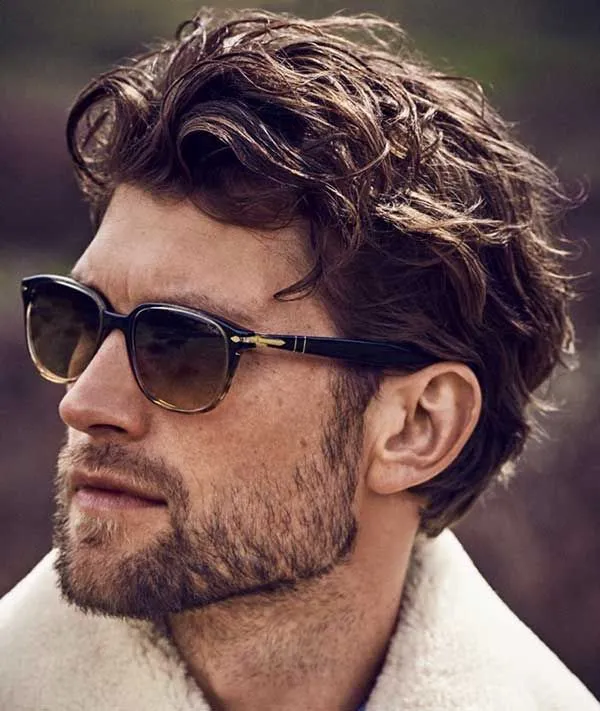
Wavy Hair With Beard

A wavy top paired with facial hair can create a balanced shape, especially with a gentle sideburn transition.
What to tell your barber: Discuss how the beard should blend with the temples and side taper.
Daily care: Use the lightest styling routine that preserves your natural pattern; choose products based on your scalp comfort and desired finish.
Wavy Hair for Round Faces

A wavy top with some lift or a side direction changes the silhouette without requiring a single face-shape rule.
What to tell your barber: Choose wave height and side fullness based on your preference.
Daily care: Use the lightest styling routine that preserves your natural pattern; choose products based on your scalp comfort and desired finish.
Wavy Hair for Oval Faces

Oval faces work with many wavy shapes, from swept fringes to loose layers, so texture and daily styling often matter more.
What to tell your barber: Show photographs that match your wave pattern, not just the face shape.
Daily care: Use the lightest styling routine that preserves your natural pattern; choose products based on your scalp comfort and desired finish.
Wavy Slicked Back Hair

Swept-back waves give a smart finish but need enough length to keep bends from springing forward.
What to tell your barber: Retain front length and choose a light product that preserves movement.
Daily care: Use the lightest styling routine that preserves your natural pattern; choose products based on your scalp comfort and desired finish.
Medium Layered Wavy Flow
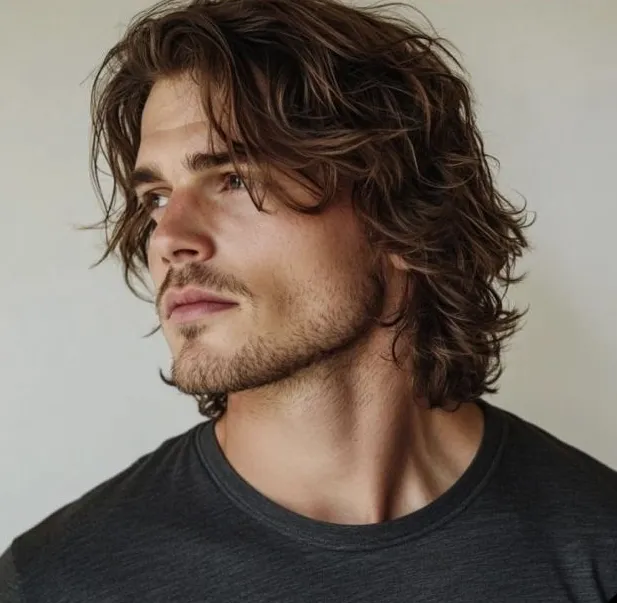
Layered medium waves provide a flexible everyday style with volume and natural texture.
What to tell your barber: Ask for layers placed to distribute weight without making ends frizzy.
Daily care: Use the lightest styling routine that preserves your natural pattern; choose products based on your scalp comfort and desired finish.
More Wavy Hairstyles for Men Photo Inspiration
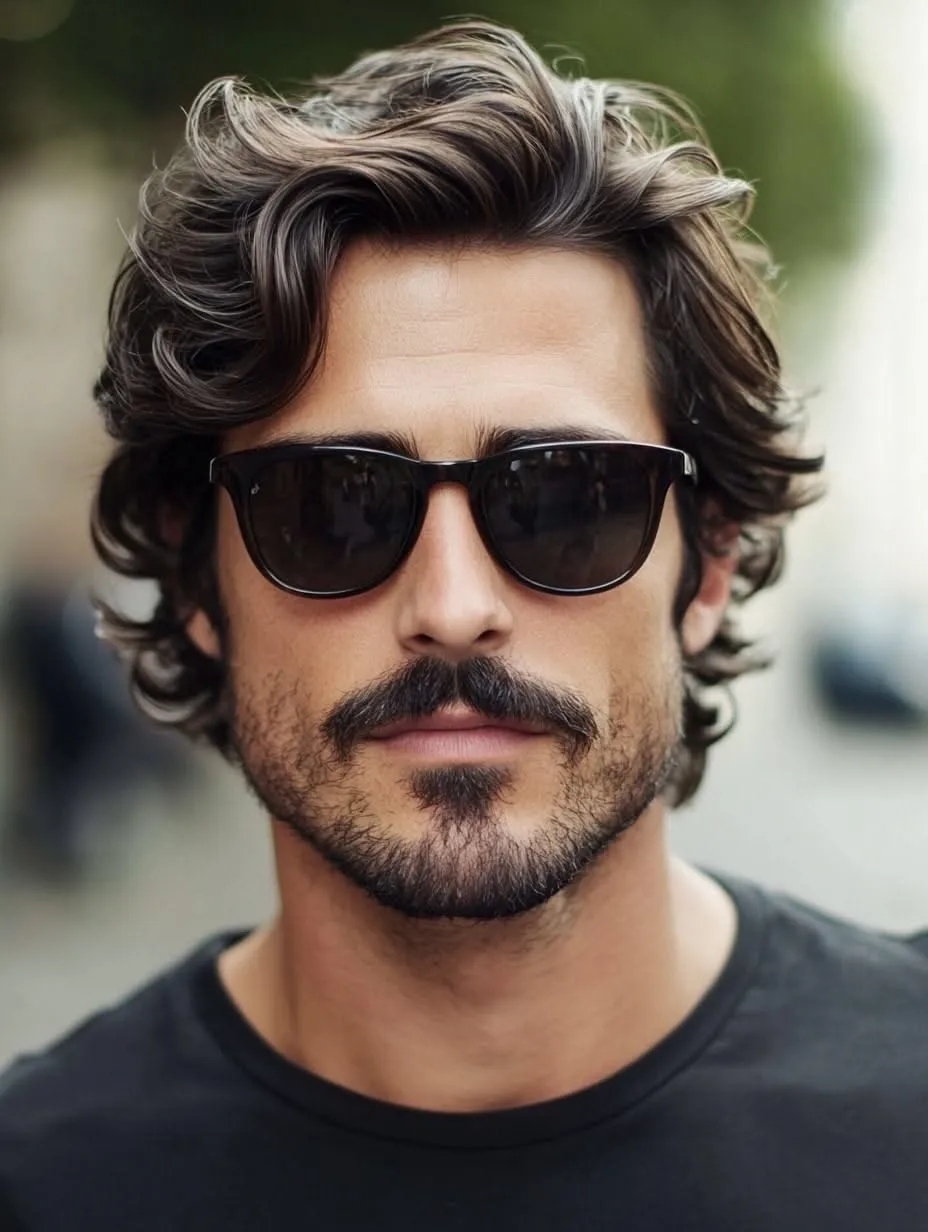
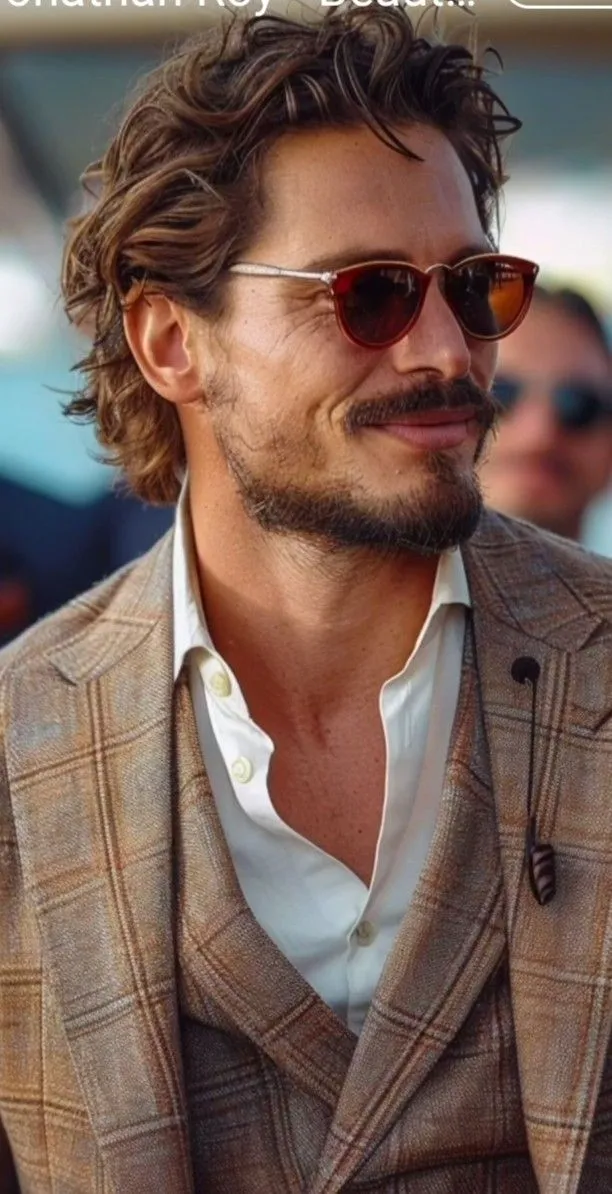
The additional images below provide different front and side views, hair lengths and texture variations. Every photo remains editable through the WordPress Gutenberg gallery.













Short, Medium and Long wavy hairstyles for men
Short cuts keep a compact outline and show fade placement clearly. Medium styles allow more fringe movement and layering. Long hair needs a plan for detangling, weight and how it sits when dry. Compare short hair, medium hair and long hair guides.
Hair Texture, Density and Face Shape
A haircut should be adapted to the natural hair pattern and strand density. An oval, round or square face does not impose one haircut; changing the fringe, side volume or parting changes the effect. Compare our hairstyles by face shape guide for examples.
Professional Looks, Low-Maintenance Styles and Beard Pairings
A neat taper, brushed-back shape or controlled layered cut can feel more professional, while a loose fringe or longer flow may be more relaxed. Haircut maintenance and daily styling are separate decisions: sharp fades need regular trims even if they are easy to style. Facial hair is optional; if you wear a beard, ask how the sideburns should blend. See beard styles.
Barber Instructions and Styling Checklist
- Show a front and side reference featuring a hair texture similar to yours.
- Explain what happens to your hair after it dries naturally.
- Ask how the cut will grow out and how often it needs reshaping.
- Discuss fade height, side bulk, fringe placement and top length separately.
- Avoid copying a haircut that requires more styling time than you want to spend.
- Bring photographs and ask the stylist to adapt the details to your natural hair.
Related Haircut Guides
Compare short hairstyles, medium hairstyles, long hairstyles, curly hair hairstyles, or explore the men’s hairstyle library for more reference photos.
Frequently Asked Questions
What are good low-maintenance wavy hairstyles for men?
A soft taper with a wavy top, wavy French crop or natural medium flow can work, depending on how your waves settle when dry.
Should men with wavy hair get a fade?
A fade can work well, but it is optional. Keeping extra length on the sides may suit a looser overall silhouette.
How do I avoid frizz in wavy hair?
Avoid unnecessary friction, try gentle conditioning and ask for a cut that follows the wave pattern. Product needs vary.
Which wavy hairstyle suits a round face?
A textured quiff or side sweep can create structure, but loose waves and fringes are also options.
Can wavy hair work in a professional haircut?
Yes. A neat taper, side part or brushed-back style can look tidy without eliminating natural waves.


