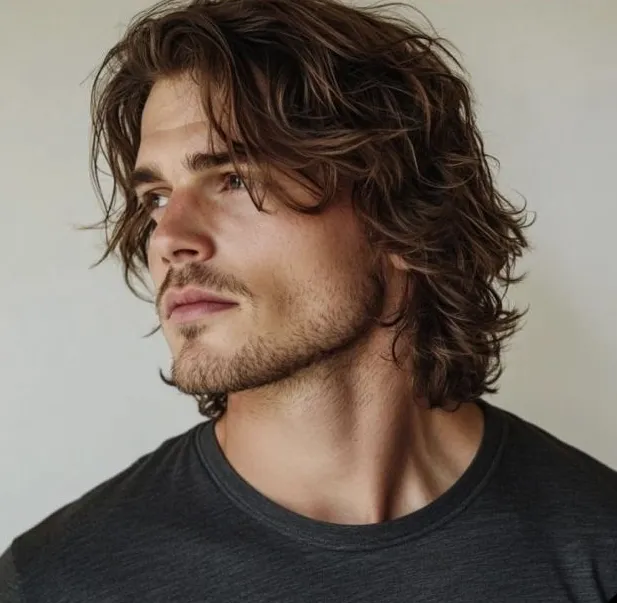
Thin hair hairstyles for men work best when the haircut respects natural density, individual strand thickness and the way your hair grows. Hair can be naturally fine without noticeable hair loss, while thinning or a changing hairline may call for a different approach. A haircut can improve the appearance and manageability of hair, but cannot regrow missing follicles. Here are realistic short, medium and professional options with photos and instructions.
This guide explains practical thin hair hairstyles for men, including short and medium options, hair-type advice and barber instructions. Each image is selected from the existing Media Library and remains individually editable in Gutenberg.
Quick Answer: Which thin hair hairstyles for men Work Best?
Short textured crops, crew cuts, soft side parts and lightweight fringes are practical starting points. These styles can help manage the visible shape without pretending to increase the number of hair strands. Your natural density and hairline are more useful than a one-size-fits-all ranking.
How to Choose a Haircut for Thin Hair
Thin hair describes reduced density, while fine hair means each strand has a small diameter. You can have fine strands with plenty of density, or thicker strands with fewer hairs. A receding hairline is a different concern again. Identifying what you want to address helps your barber plan a suitable shape.
A haircut cannot create new hair, but it can change how the existing hair sits. Short textured crops, crew cuts and soft side sweeps can be useful starting points. Choose a style that follows your growth direction and feels comfortable without trying to hide every part of your scalp.
Short Haircuts: Crop, Crew Cut and Buzz
A short textured crop brings the fringe forward and can reduce the contrast between longer hair and thinner areas. Ask for a soft fringe and controlled texture rather than deep cuts that leave gaps. A crew cut keeps the outline neat and leaves a little more length on top.
A buzz cut reduces styling time and gives an even, confident look. The right clipper length varies with your density and preference. Ask the barber to start longer; you can always go shorter after seeing the result. Very short skin fades may make the top look thinner by contrast on some people, so discuss the side length first.
Medium Hair and Side Parts
A medium side sweep or loose side part can work when there is enough density and length to support it. Follow the natural direction of the hair rather than forcing a hard part. Avoid stretching a few long strands across the scalp if they separate easily during the day.
For a quiff, retain enough length at the front for a small lift and keep the finish soft. A heavy slick-back may separate strands and expose more scalp, although the effect varies. Ask the barber to demonstrate the style with a light product before you decide what to use at home.
Receding Hairline and Mature Men
A receding hairline does not require one particular haircut. A short crop, close cut or natural side sweep may work depending on where the hair is densest and how you like to wear it. Choose a reference with a similar hairline, and ask for an honest discussion of what the existing hair can support.
Men in their 40s, 50s and 60s can choose from short grey textured cuts, classic tapers or longer styles where density allows. Grey hair can have a different feel or growth pattern, so adapt the product and cut to your hair rather than your age.
Barber Instructions for Fine or Thin Hair
Explain whether your concern is a visible scalp, a widening part, a receding hairline or hair that simply falls flat. Show the barber your natural part and how the hair looks without product. Request an outline that retains fullness and ask before thinning shears or a razor are used.
Discuss top length, fringe direction and side contrast separately. Ask the barber to start conservatively and show you the result from the front, sides and back. A good haircut should remain workable as it grows, not only immediately after the appointment.
Styling Without Weighing Hair Down
Start with clean, gently towel-dried hair. A light mousse or small amount of matte styling product may help some hair hold its shape. Use less than you think you need and distribute it through your hands first. Heavy oils or large amounts of wax can make fine strands clump together.
A comfortable low-heat blow-dry while lifting the roots with your fingers may add temporary volume. Avoid pulling tightly or using excessive heat. If thinning is new, sudden or concerning, a dermatologist can help assess the cause; styling products and haircuts do not treat hair loss.
Face Shape and Daily Maintenance
For a round face, a modest lift at the front can create a longer visual line. For a longer face, a soft fringe and some width at the sides may feel balanced. These are options, not rules: your hairline, growth pattern and preferred maintenance deserve equal attention.
Choose a cut you can recreate on a normal morning. A short crop usually needs less daily arranging, while a side sweep or quiff needs more direction. Trim when the shape stops working for you, rather than following a fixed schedule that may not suit your growth rate.
Choosing Reference Photos
Look for examples with a similar hairline, density and texture to yours. Photographs taken under studio lighting with carefully styled hair may not show how the cut looks in everyday conditions. Bring more than one view so the barber can see the side length and shape as well as the front.
Discuss what you like in the image, such as a soft fringe or natural side part, instead of asking for an exact copy. The barber can then adapt the cut to the hair you have and show you how to style it with a realistic amount of effort.
12 thin hair hairstyles for men: Hairstyles and Photo References
1. Textured Fringe Crop

A textured fringe adds small sections of movement to the front without requiring a thick, high-volume top.
What to tell your barber: Ask for a controlled, short textured fringe and keep enough weight at the front.
Daily styling: Keep the routine comfortable and use only as much lightweight product as your chosen shape requires.
2. Side-Part Comb Over

A natural side part helps direct the existing hair in one clear direction without a dramatic sweep.
What to tell your barber: Work with the natural part and keep sides proportional to the top.
Daily styling: Keep the routine comfortable and use only as much lightweight product as your chosen shape requires.
3. Classic Crew Cut

The crew cut has a compact top and shorter sides, making styling quick and predictable.
What to tell your barber: Choose the top length based on scalp visibility and your growth pattern.
Daily styling: Keep the routine comfortable and use only as much lightweight product as your chosen shape requires.
4. Very Short Buzz Cut

A buzz cut offers a uniform silhouette and avoids relying on product to manufacture volume.
What to tell your barber: Agree on clipper guard length before cutting; shorter is not necessarily better for everyone.
Daily styling: Keep the routine comfortable and use only as much lightweight product as your chosen shape requires.
5. Textured Crop Low Fade

A low fade keeps the top as the focus while the crop creates understated texture.
What to tell your barber: Start the fade low and preserve enough top length for gentle separation.
Daily styling: Keep the routine comfortable and use only as much lightweight product as your chosen shape requires.
6. Side-Swept Volume

A modest side sweep can change the visual outline without requiring a tall pompadour.
What to tell your barber: Keep sufficient front length to sweep comfortably, but do not over-layer the ends.
Daily styling: Keep the routine comfortable and use only as much lightweight product as your chosen shape requires.
7. Slicked-Back Side Part

A brushed side-part style can work for a neat professional haircut when used with lightweight hold.
What to tell your barber: Avoid heavy wet-look product if the hair separates and exposes more scalp than desired.
Daily styling: Keep the routine comfortable and use only as much lightweight product as your chosen shape requires.
8. Short Spiky Quiff

A small upward front can give a lively outline without requiring dense, long hair.
What to tell your barber: Leave a manageable amount at the front and shape lightly with a small amount of product.
Daily styling: Keep the routine comfortable and use only as much lightweight product as your chosen shape requires.
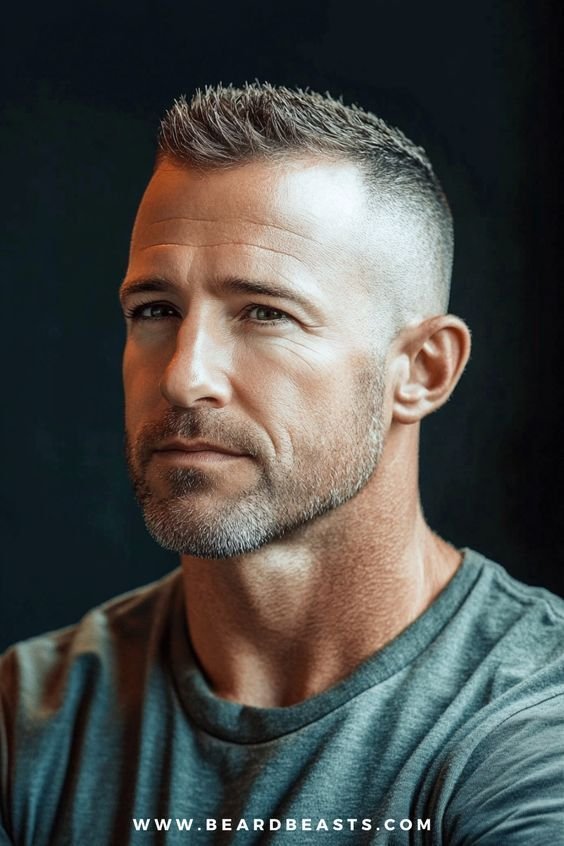
9. Short Grey Textured Hairstyle

A neat, softly textured cut can work with naturally greying hair, regardless of age.
What to tell your barber: Maintain a comfortable outline and choose texture based on current density.
Daily styling: Keep the routine comfortable and use only as much lightweight product as your chosen shape requires.
10. Short Layered Sweep

A soft sweep creates movement while keeping the haircut close enough to manage easily.
What to tell your barber: Use subtle layers; avoid removing too much weight from fine ends.
Daily styling: Keep the routine comfortable and use only as much lightweight product as your chosen shape requires.
11. Short Spiky Fade
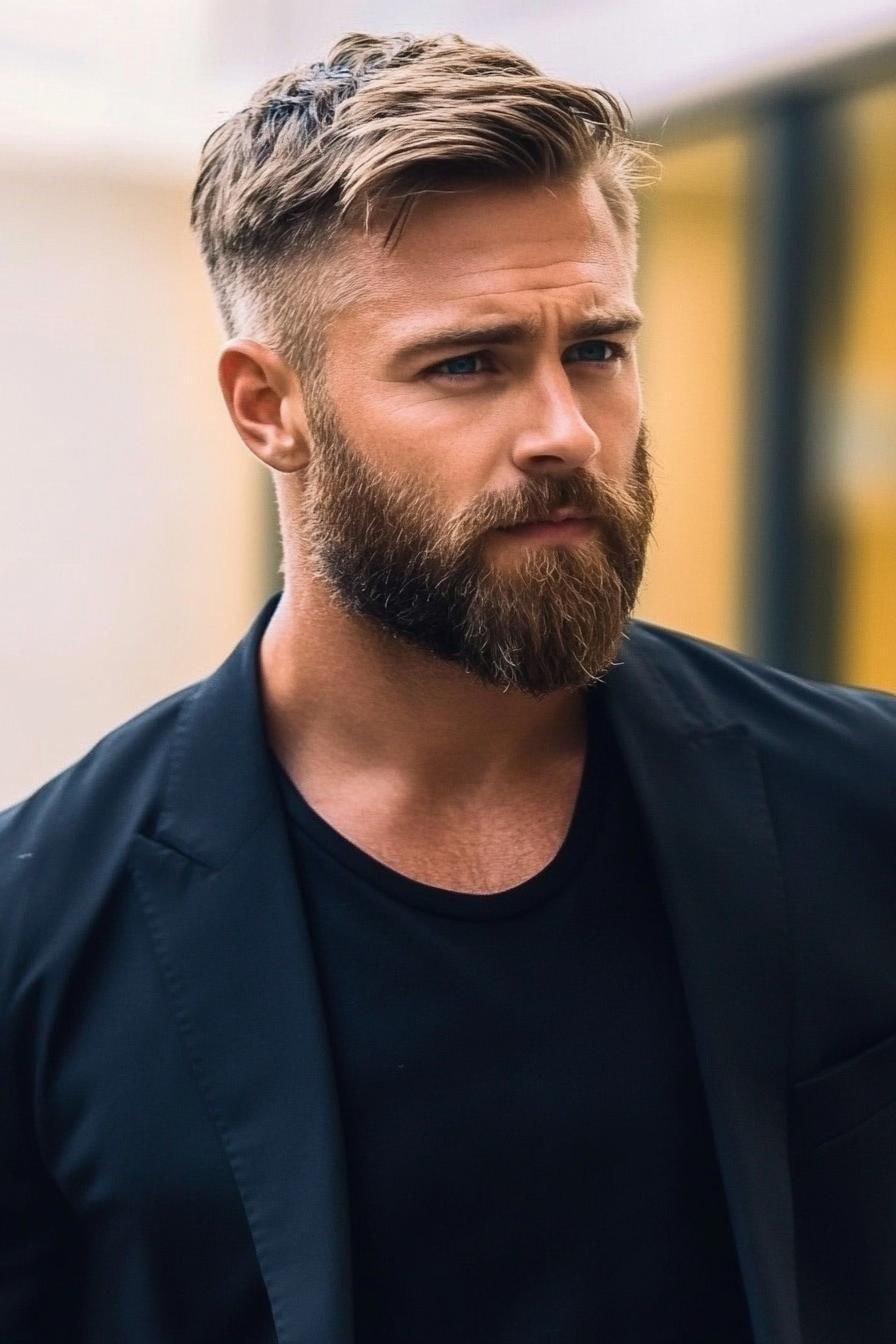
A short spiky top with closer sides can create contrast; use this look only if you like visible separation.
What to tell your barber: Ask for a controlled top that can be styled without stiff product.
Daily styling: Keep the routine comfortable and use only as much lightweight product as your chosen shape requires.
12. Comb Over With Fade
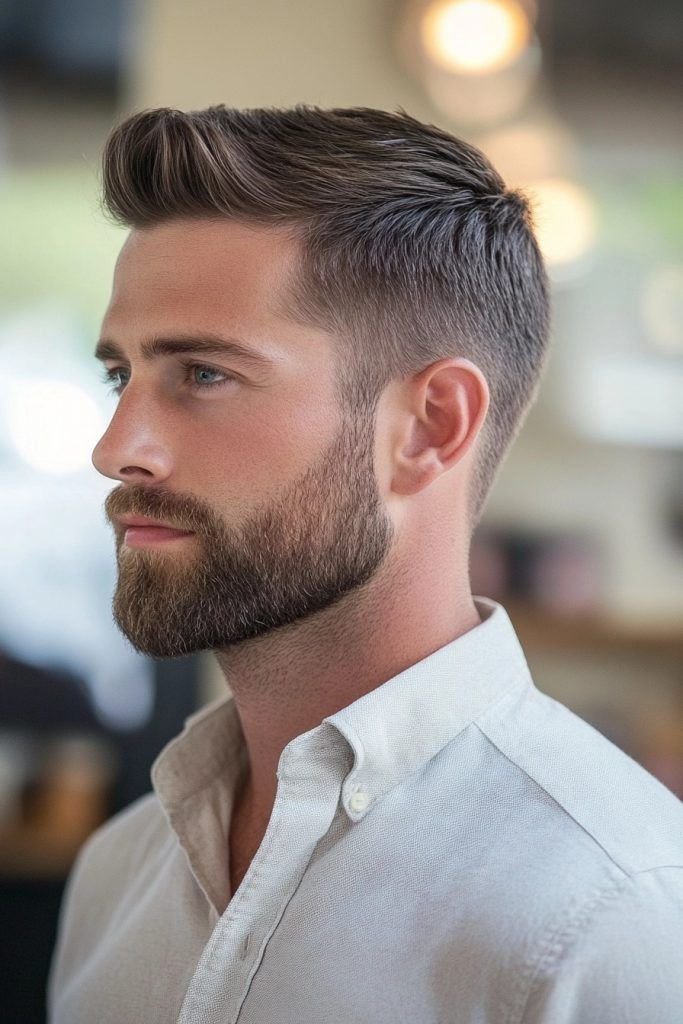
A fade and short comb over make the part visible while keeping the sides tidy.
What to tell your barber: Make the side blend natural and avoid an exaggerated sweep across a large thinning area.
Daily styling: Keep the routine comfortable and use only as much lightweight product as your chosen shape requires.
More Hairstyle Pictures
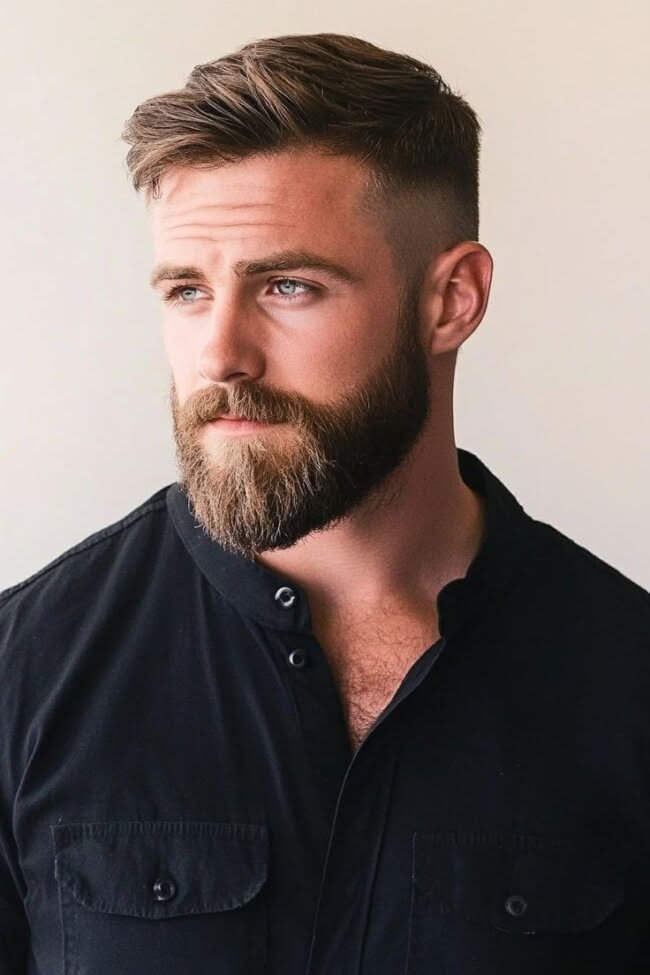
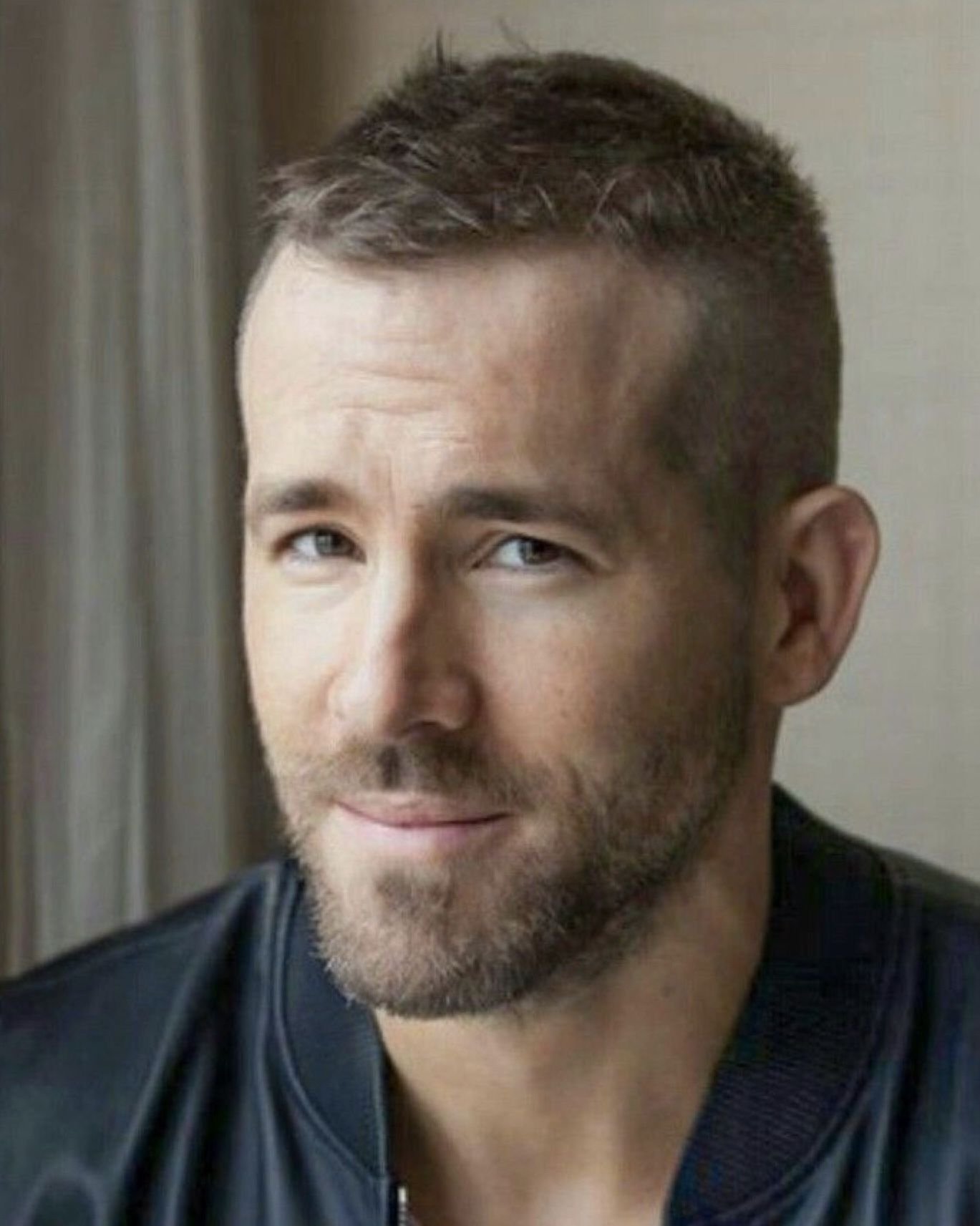
Compare additional existing hairstyle photographs below. Each image can be replaced or rearranged in the Gutenberg Gallery block.








Thin Hair vs Fine Hair vs a Receding Hairline
Thin-looking hair can describe low density, while fine hair refers to individual strand diameter. A receding hairline concerns the shape of the front hairline. These are different observations, and photos alone cannot diagnose the cause. A style that works for fine but dense hair may not offer the same coverage on sparse hair.
Best Thin Hair Hairstyles for a Receding Hairline
Short crops, gentle side parts and buzz cuts may be comfortable if you prefer a predictable outline. A dramatic comb over can need constant styling and may be less appealing as density changes. Choose based on your preferred appearance, not a requirement to hide the hairline.
Hairstyles for Thin Hair Over 40, 50 and 60
Age does not determine the right haircut. Short grey crops, tidy crew cuts and soft side parts can look good when hair becomes finer. Do not claim a hairstyle repairs thinning. If hair loss is sudden, patchy, rapidly progressing or causes concern, consult a dermatologist.
Styling Fine Hair Without Heavy Products
Avoid heavy wax at the roots if it makes strands clump together. Apply small amounts of product, consider a gentle blow-dry for direction and check whether a lightweight textured finish works better. Reduce excessive pulling and heat where practical.
How Hair Texture Changes the Hairstyle
Straight hair shows a haircut’s outline distinctly, wavy hair provides movement and curly hair may shrink after drying. Density changes how much volume the top can support. See straight hairstyles, wavy hairstyles and curly hairstyles.
Barber Consultation: What to Say
Show front and side photographs with a texture resembling your own. Explain your fringe length, preferred amount of side volume, how often you visit for trims and whether you use a blow-dryer. Ask how the shape will look air-dried and as it grows.
Related Guides
Explore haircuts for men, hairstyles by face shape and the hairstyle images gallery.
Frequently Asked Questions
What is the best short hairstyle for thin hair men?
A textured crop, neat crew cut or side part can be practical. The best shape depends on density, growth direction and how much scalp visibility you are comfortable with.
Is thin hair the same as fine hair?
No. Fine describes strand thickness; low density means fewer strands in an area. Either can occur alone or together.
Can men with thin hair grow medium or long hair?
Yes, if they like the appearance and maintenance. Avoid excessive layering when it makes ends appear sparse.
Do haircuts stop hair loss?
No. Haircuts change appearance, not the biological cause of hair loss. New or progressing thinning deserves professional assessment.
What styling products are suitable for fine hair?
Lightweight formulas used sparingly may provide flexible control without weighing down strands.
Which professional hairstyle suits thinning hair?
A tidy side part, short crop or controlled crew cut can be office-friendly without requiring elaborate daily styling.