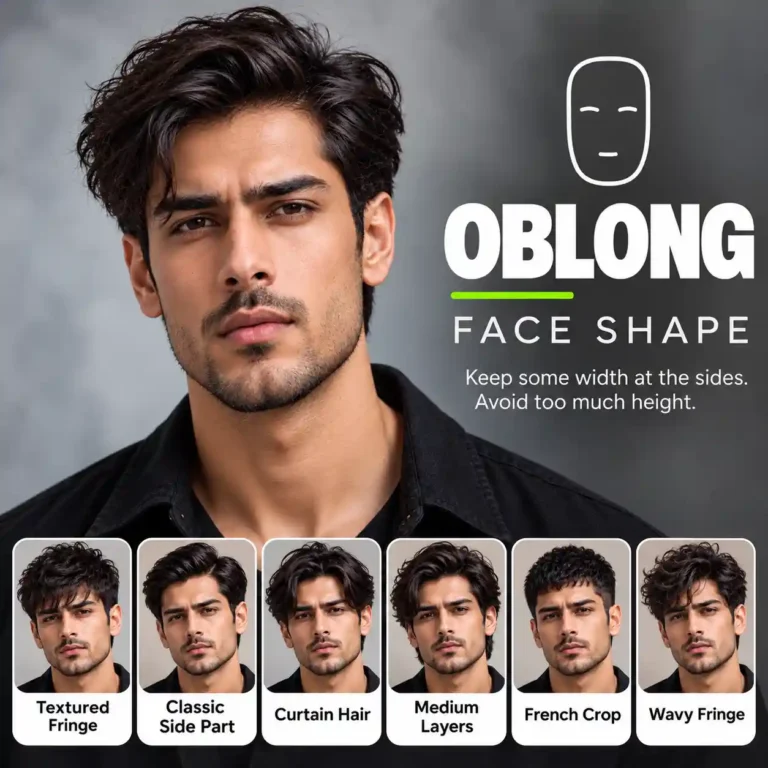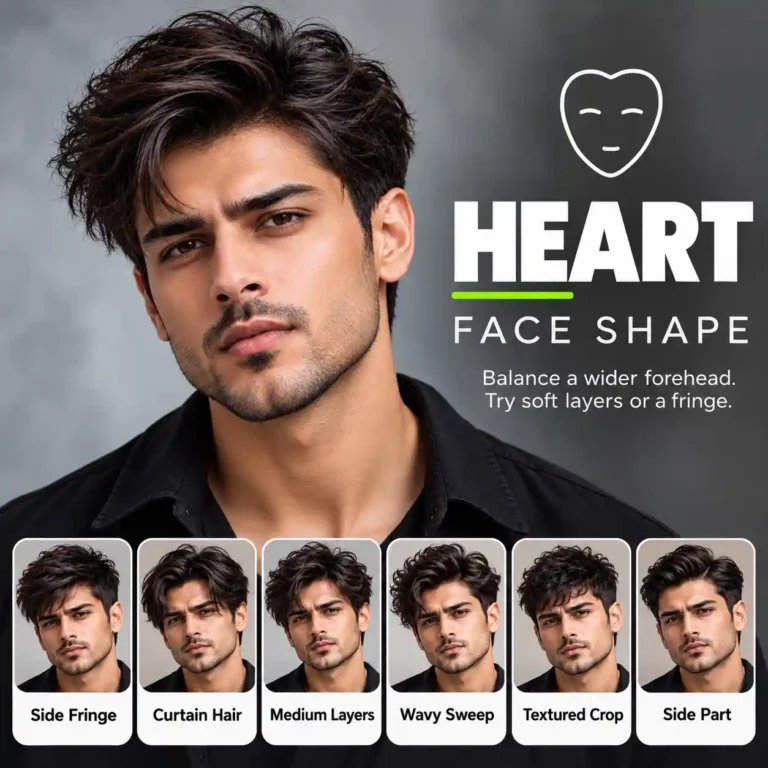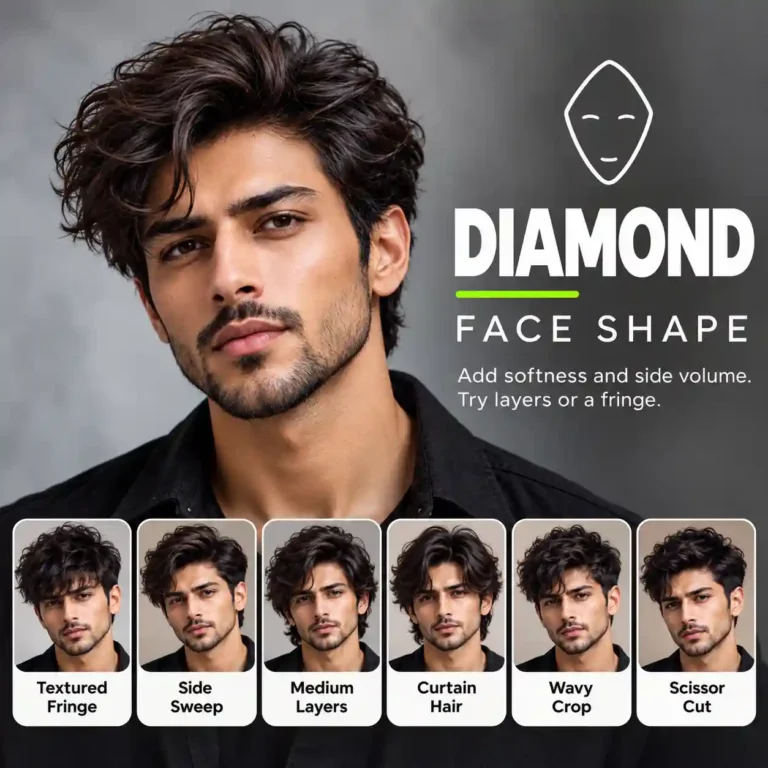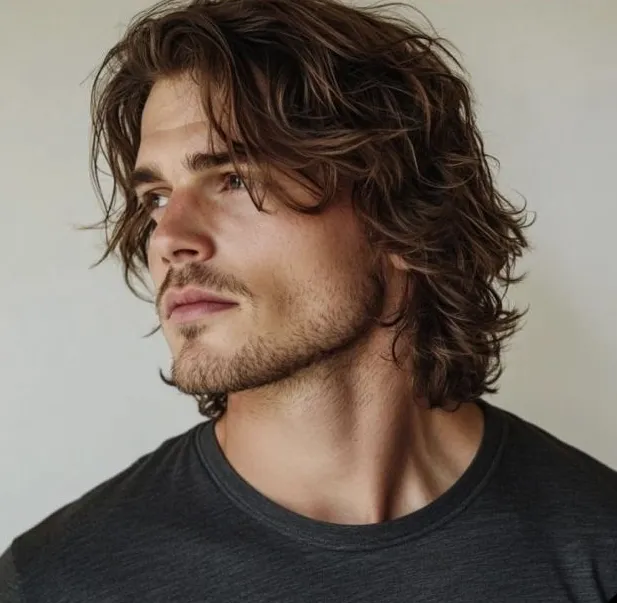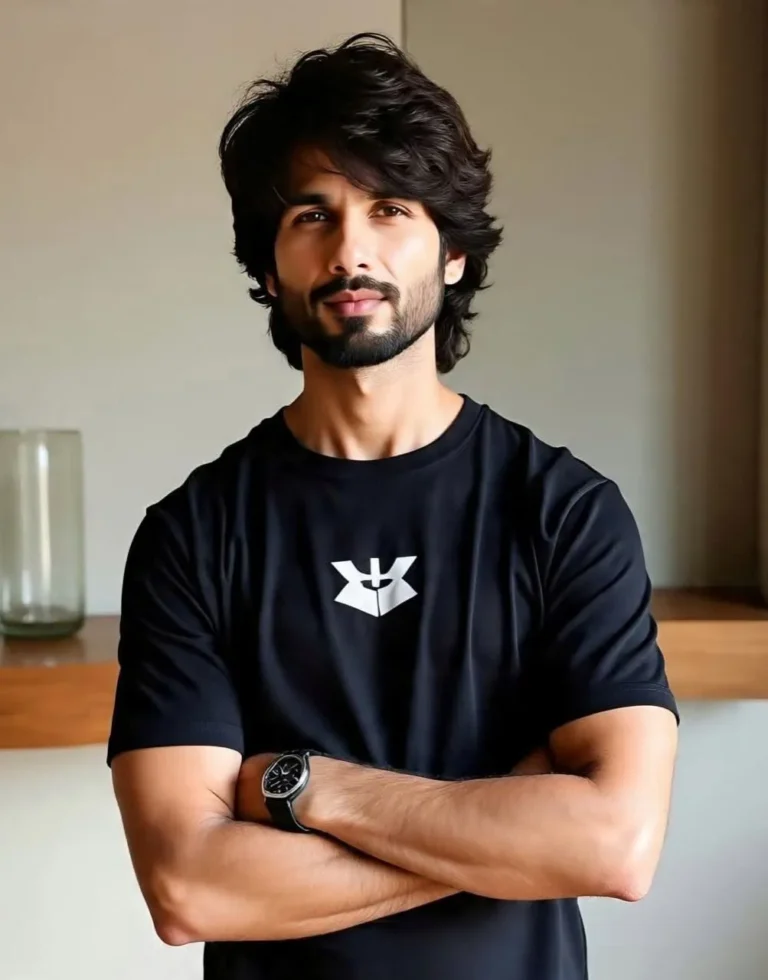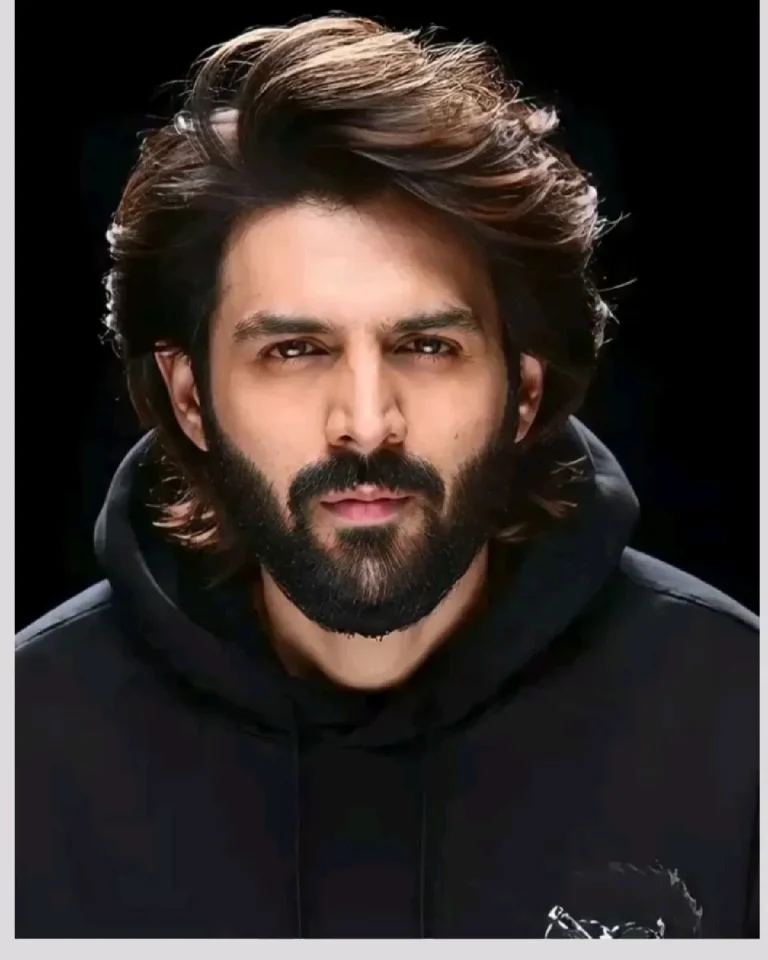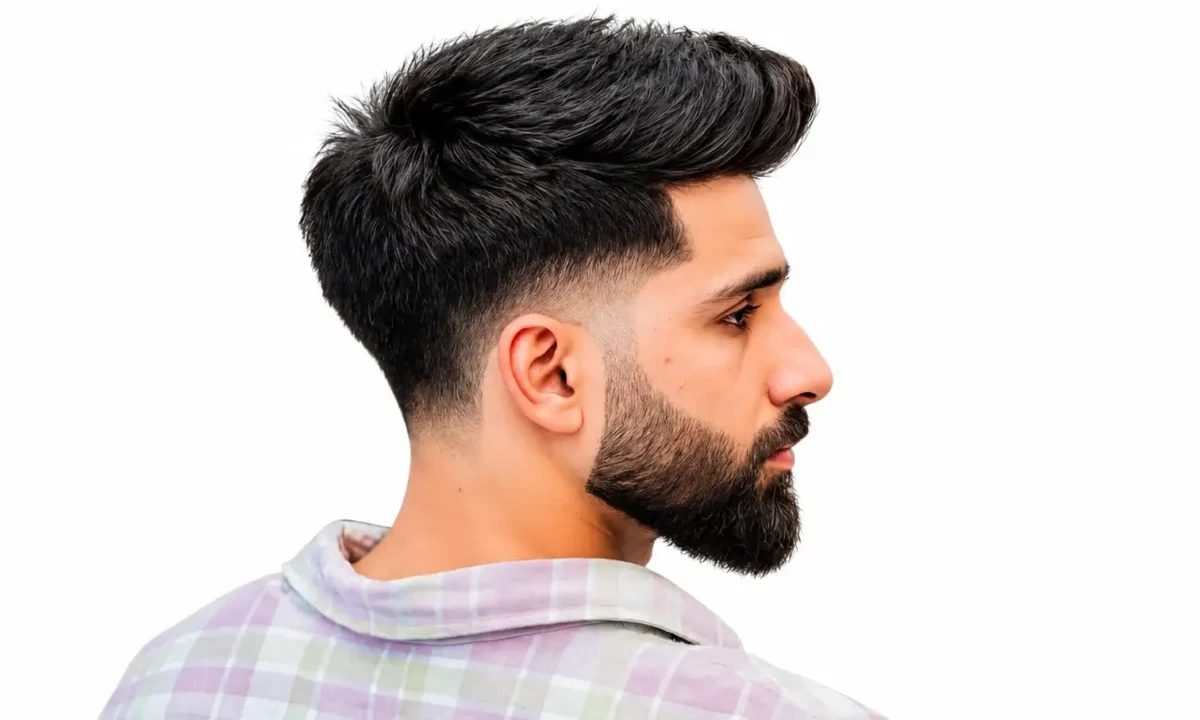
Beard styles for men range from barely visible stubble to short, neatly shaped beards, fuller facial hair and goatee-inspired looks. The right beard is not necessarily the longest or most complicated. It should suit how your facial hair naturally grows, the amount of trimming you enjoy and the haircut you wear with it.
This guide explains popular beard lengths, provides existing photo references and shows how to pair facial hair with fades, textured crops, medium layers and shaved heads. You can use the images as starting points for a barber visit or a careful trim at home.
Quick Answer: What Are the Best Beard Styles for Men?
Versatile options include light stubble, a short trimmed beard, a fuller natural beard, a defined chin-focused goatee and a carefully faded beard. Stubble generally requires less length; a short beard gives more facial coverage; and longer styles provide more shaping possibilities but often demand more routine maintenance. The best choice depends on your beard’s growth pattern, patchiness, density and personal preference—not only your face shape.
8 Beard and Hairstyle Combinations to Explore
These photographed looks show how the same facial hair can feel different when paired with different haircuts. They are visual examples rather than a ranking of what everyone should wear. Save a reference showing both the beard outline and side profile before your next trim.

Light Stubble With Layered Hair
Light stubble gives subtle facial definition without hiding the jawline. It pairs well with casual textured hair, short crops and medium-length layers. You can keep it tidy by evening out the overall growth and shaving stray hairs where you prefer a cleaner outline.
Best for: A simple, understated look for people comfortable with short facial-hair length.
Grooming tip: Use a short trimmer guard, check both sides in good light and avoid cutting the cheek line unnaturally high.

Short, Neatly Trimmed Beard
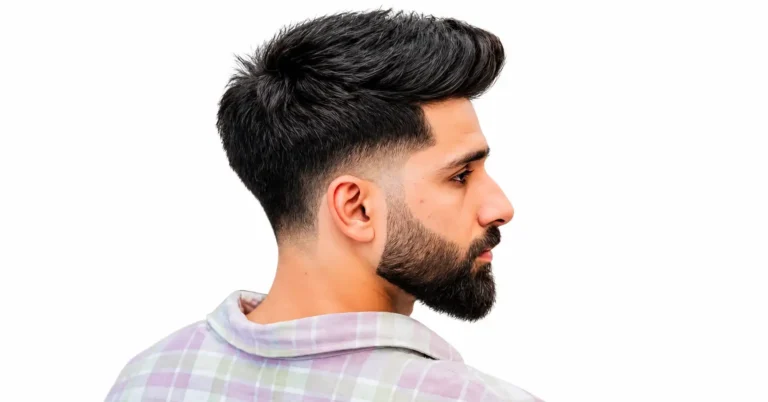
A short beard adds more coverage than stubble while still looking deliberate and tidy. The goal is an even shape that follows your natural growth and complements your haircut rather than a strict measurement every man should use.
Best for: Men seeking a well-kept look that can work with a taper, quiff or wavy haircut.
Grooming tip: Trim longer areas gradually and use a comb to spot uneven lengths before refining the neckline.

Curly Top Fade With Beard
Natural curls on top can look balanced with shorter sides and a moderately trimmed beard. The contrast highlights the curl texture and makes the facial hair part of the whole style. Your barber can blend the sideburn area into the beard if you prefer a smooth transition.
Best for: Curly or coily-haired men who want a defined haircut-and-beard combination.
Grooming tip: Ask the barber to blend the temples, sideburns and beard instead of treating them as unrelated shapes.

Long, Fuller Beard With Layers
A fuller beard can make a statement alongside medium or long hair. Because the length increases bulk near the chin and cheeks, shaping matters more than simply growing everything evenly. The beard can be kept natural or tapered toward a cleaner neckline.
Best for: Men who enjoy longer facial hair and are willing to maintain its shape.
Grooming tip: Wash and comb the beard as needed; trim small amounts from the outer edges rather than cutting deeply into the shape at once.

Goatee-Inspired Beard With Man Bun
A goatee-inspired look focuses growth around the chin and moustache area rather than full coverage across both cheeks. It can create a defined contrast with longer tied-back hair. The exact outline depends on your growth pattern and whether you prefer the moustache connected to the chin.
Best for: People who like a more defined chin-focused facial-hair shape.
Grooming tip: Outline the chin and moustache gradually, checking symmetry from the front and side.

Shaved Head With Full Beard
A closely shaved head places more visual emphasis on the beard, making overall facial-hair proportions particularly noticeable. A rounder or longer beard silhouette changes the impression considerably; you can experiment without assuming there is only one appropriate shape.
Best for: Men who prefer a closely shaved head and want facial hair to carry the style.
Grooming tip: Refine the beard’s bottom edge carefully and maintain scalp grooming separately from beard care.
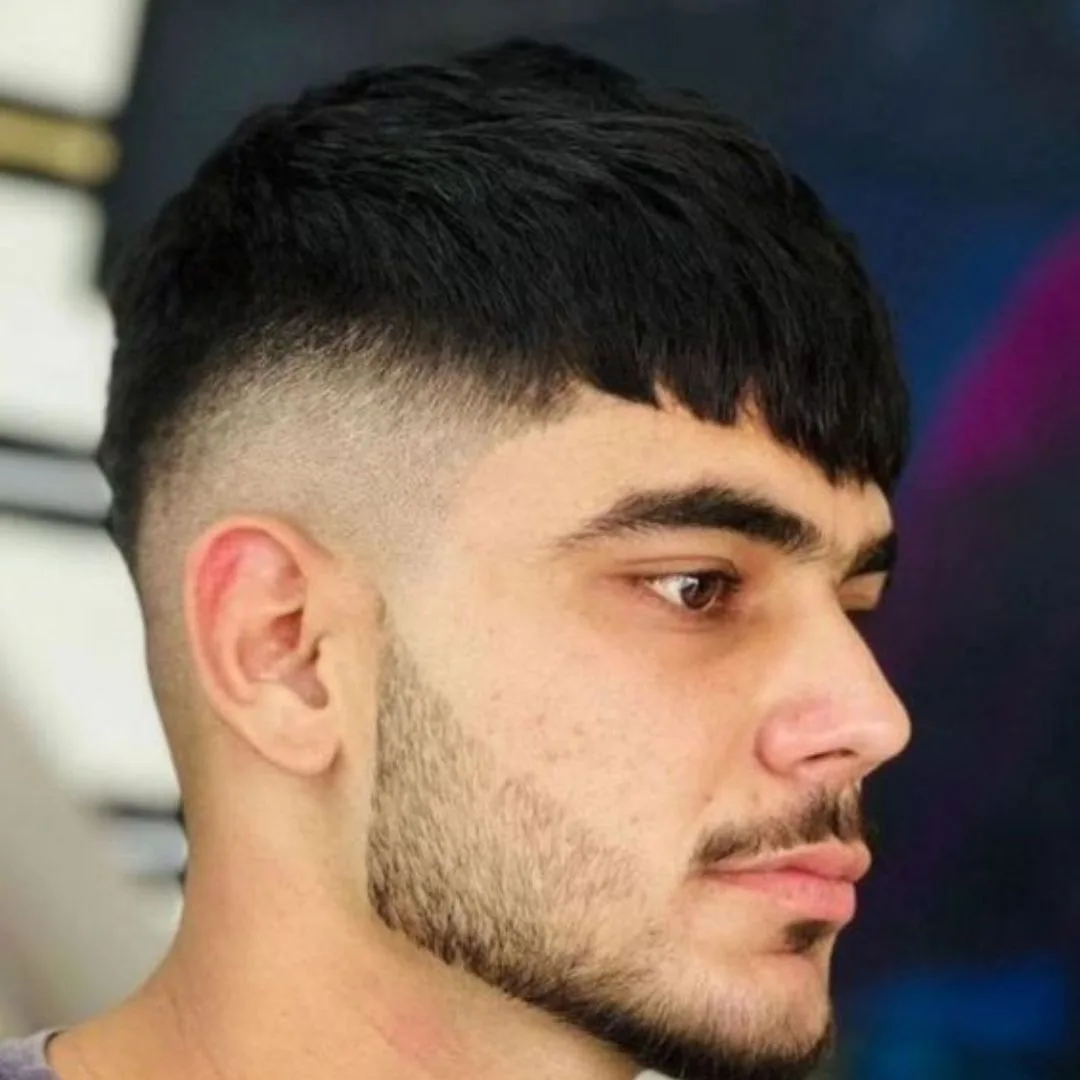
Undercut With Short Beard
A defined undercut creates contrast between longer hair above and closely cut sides. Keeping the beard relatively short can balance that contrast, especially when the sides are sharp. Decide whether you want the beard faded into the sideburns or left with a natural connection.
Best for: Men who like a modern, structured haircut with tidy facial hair.
Grooming tip: Show your barber both the haircut reference and beard length you want; ask for a consistent transition at the temples.

Long Hair Tied Back With Natural Beard
A low bun with a natural beard combines longer head hair with a more relaxed facial-hair finish. Because the hair is swept away from the face, the moustache, cheek growth and beard outline become more prominent. A light cleanup may be enough if you prefer a natural look.
Best for: Men with longer hair who wear it tied back for work or everyday comfort.
Grooming tip: Keep the hair tie comfortable and avoid constant tight tension; groom the beard according to its natural growth.
How to Choose a Beard Style for Your Face Shape
Face-shape advice can help you explore proportions, but it is not a rule for how your beard must look. Beard density, cheek coverage, jawline and how the hair grows on your chin may affect the result more than any face-shape label.
Beards for Round Faces
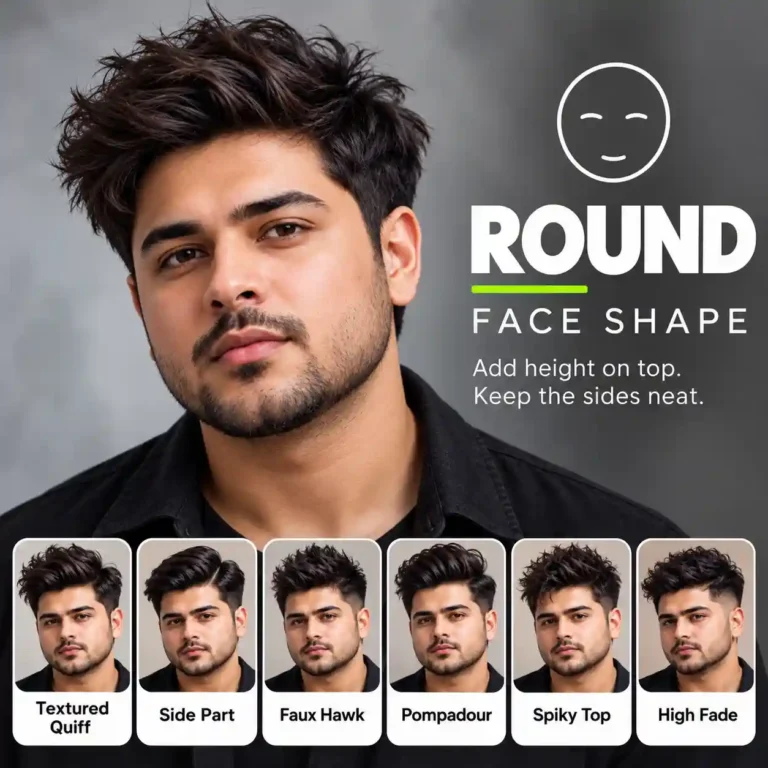
A beard with relatively clean cheeks and some length toward the chin can create a more angular-looking outline if that’s your preference. Short stubble or a naturally rounded beard can also work. If you want to compare haircuts, see our round face hairstyle guide.
Beards for Square Faces
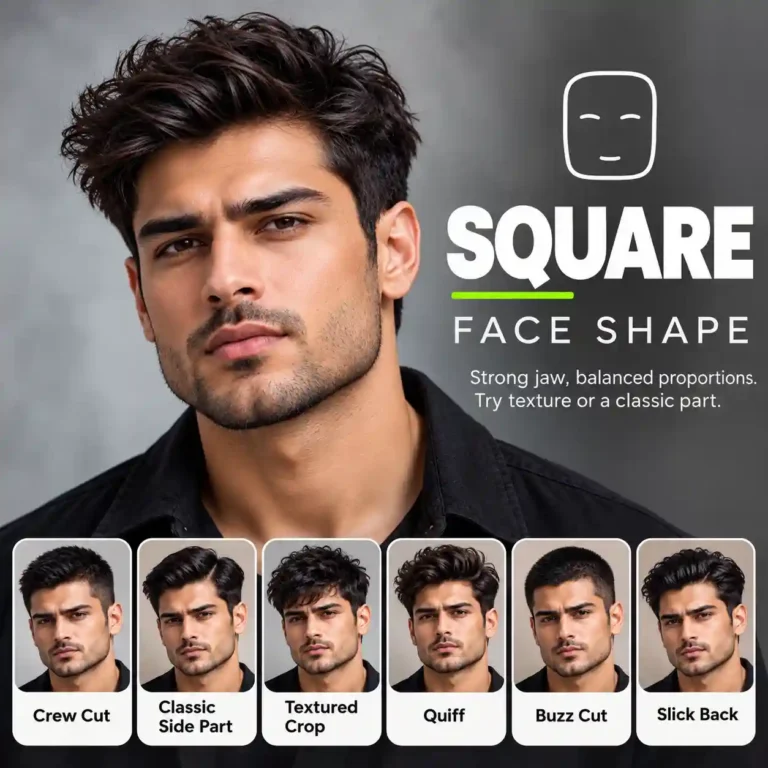
A short boxed-style outline can highlight a pronounced jaw, while softer cheek and chin shaping can create a less angular effect. Choose the finish you like and keep the outline symmetrical rather than forcing your facial hair into a shape it cannot naturally fill. Explore square face hairstyles.
Beards for Oval and Oblong Faces
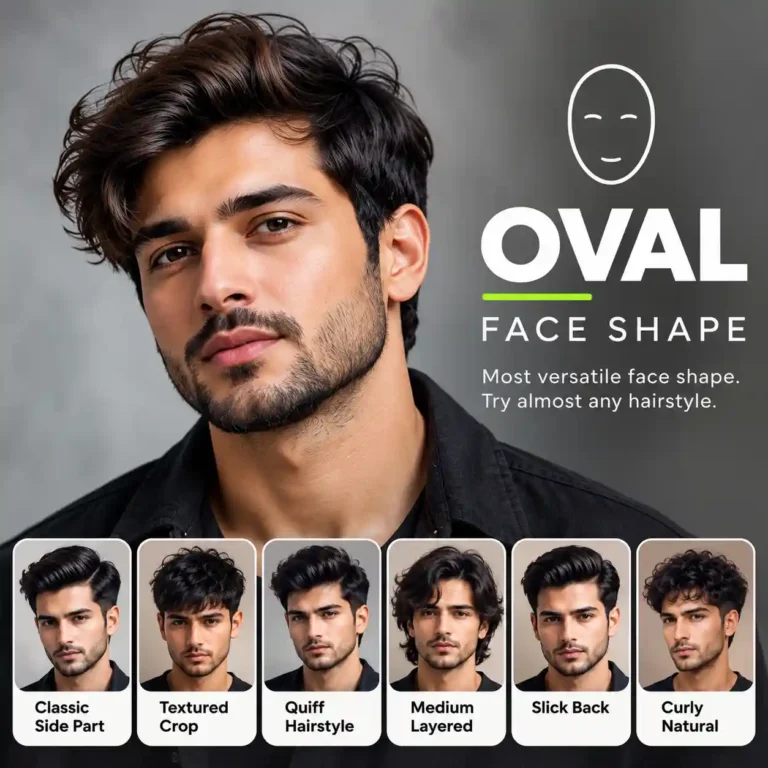
An oval face can suit many beard lengths. On a longer face, fuller growth at the cheeks or a shorter chin section may change the balance, but there is no need to avoid long facial hair if you prefer it. Ask a barber how the beard looks from the side as well as the front.
Beards for Diamond and Heart Faces
For cheekbones that appear prominent or a relatively narrow chin, you might experiment with a little extra fullness near the jawline. A neatly shaped short beard is another option. Compare the diamond face hairstyle guide and heart face hairstyles for complete haircut pairing ideas.
Beard Length Guide: Stubble, Short, Medium or Full?
- Stubble: Short visible facial growth with a relatively clean outline. It can look relaxed but may need frequent trimming to maintain one length.
- Short beard: More coverage across chin, cheeks or jaw. A beard comb and a consistent trimmer guard can help maintain an even shape.
- Medium beard: Enough length to define the cheek and chin outline. Selective trimming matters more as uneven growth becomes visible.
- Full or longer beard: More freedom to shape the jaw and lower edge, with additional attention to washing, detangling and managing stray hairs.
- Goatee-inspired: A chin-and-moustache-focused look that depends on natural growth around the mouth rather than full cheek coverage.
You do not have to grow the fullest beard possible. If your cheeks grow unevenly, lighter stubble or a chin-focused style may be easier to shape than trying to achieve dense coverage everywhere.
How to Pair a Beard With Your Haircut
Short Haircuts and Fades
A crew cut, textured crop, low fade or skin fade can complement stubble or a neatly trimmed short beard. The sideburn connection is important when the haircut is closely blended. Ask the barber to transition smoothly where the fade meets the beard. Compare men’s haircuts and fade haircut types.
Medium-Length and Wavy Hairstyles
Side parts, medium layers and natural waves often work well with either stubble or a short-to-medium beard. If you like a relaxed haircut, a slightly less rigid beard outline may suit the overall look. Browse medium hairstyles or wavy hairstyles.
Curly Hair and Beard Pairings
With curly hair, the beard can be matched to the visual volume on top. A taper at the temples may help the hair and beard feel connected, while the natural curl shape remains the focus. See curly hairstyles for men.
Long Hair, Man Buns and Full Beards
Long layered hair and tied-back styles can pair with natural full beards, short facial hair or goatee-inspired shapes. When hair is pulled away from the face, the outline of the beard becomes especially prominent. Find more examples in long hairstyles for men.
A Practical Beard Trimming and Maintenance Routine
1. Start With Clean, Dry Facial Hair
Wash your face and beard as needed, then allow the hair to dry before deciding how much length to remove. Wet hair can appear longer and change shape after it dries. Comb in the direction of natural growth to identify uneven sections.
2. Choose Your Length Before Shaping
Use a longer guard first if you’re uncertain, and shorten gradually. Take small passes rather than making a dramatic first cut. The right length is one that matches your beard density and grooming preferences.
3. Check Both Cheek Lines
Natural cheek lines do not have to be perfectly straight or unusually low. Trim the stray hairs you want removed, then check symmetry using good lighting and more than one angle. Avoid over-shaping just to match a photo of somebody with a different growth pattern.
4. Keep a Comfortable Neckline
A neckline that is too high can make the beard appear disconnected from the jaw. Tilt your head normally and assess where beard growth naturally meets the neck. If unsure, have a barber set the shape once and use it as a reference for maintenance.
5. Condition and Comb When Needed
A longer beard may benefit from a mild cleanser and conditioner formulated for facial hair or gentle skin care. Apply products sparingly if they agree with your skin; beard oils are not essential for everybody and do not guarantee faster growth. If shaving causes persistent irritation, reduce friction and consider discussing the issue with a qualified clinician.
What to Tell Your Barber About Your Beard
Bring a front and side beard photo and explain whether you want to keep the cheeks natural, taper the sideburns, leave more length at the chin or maintain an even short length. The barber should check how the beard connects with your haircut before deciding on a fade.
Example: “Please keep my beard short and tidy, but do not take the cheek lines too low. Blend the sideburns into my low fade, keep the chin slightly fuller and let me see the neckline before you finish.”
Frequently Asked Questions About Beard Styles
Which beard style is best for men?
Light stubble, short neat beards and fuller natural beards are versatile choices, but no single style is best for everyone. Choose a shape based on your facial-hair growth, preferred maintenance and haircut.
What is the easiest beard style to maintain?
Short stubble or a short, evenly trimmed beard can be straightforward for some men. They still require regular trimming if you want the same length, while a longer beard takes more time to comb and shape.
Which beard suits a round face?
A slightly longer chin with cleaner cheeks can create a more angular effect if that is your goal, but stubble, short beards and natural full beards can also suit round faces. Personal taste matters more than a rigid rule.
Can I have a good beard style if my beard is patchy?
Yes. Stubble, chin-focused styles or simply cleanly shaped natural growth can look intentional. You do not need to cover every cheek area to wear facial hair confidently.
Does shaving make a beard grow thicker?
No. Shaving cuts the hair at the surface and does not increase the number of hair follicles. Freshly cut hairs may feel coarser because the ends are blunt, but that does not represent thicker growth.
Should beard and haircut fades match?
They do not have to match exactly. A gradual sideburn blend can connect a faded haircut with a longer beard, but you can also keep a clear separation if that suits your style. Showing reference photos helps.
More Hairstyle and Grooming Inspiration
Explore the best hairstyle for men homepage, browse hairstyles for men by texture and length, compare haircuts for men or save reference photos from our hairstyle image gallery. A good beard works with your overall look, so show your barber the beard and haircut together—not as two separate decisions.