Choosing a hairstyle gets easier when you stop searching for one universal haircut and start with three practical details: your natural hair texture, the length you want to keep and how much styling you are comfortable doing. This men’s hairstyle directory brings those decisions together, with photographs, haircut explanations and links to deeper guides.
Whether you’re considering a textured crop, a clean fade, a curly fringe, a modern quiff or shoulder-length layers, use this page as a starting point. You can browse by hair type, face shape, age or length. Each route leads to more specific haircut inspiration.
Quick Answer: Which Men’s Hairstyles Are Worth Trying?
For a straightforward, versatile look, start with a textured crop, low taper, crew cut or side part. If you like height and movement, try a quiff or layered medium-length hairstyle. For naturally curly or wavy hair, work with your texture through curly fringes, layered flow or a controlled fade. Long layered styles and slicked-back hair are options if you enjoy growing and styling your hair. The best result depends on your personal preferences—not a fixed rule for your face shape.
Explore Men’s Hairstyles by Hair Length
Length changes both the silhouette of a haircut and the work it takes to maintain. These three guides help you compare what short, medium and long hair can realistically offer.
Short Hairstyles
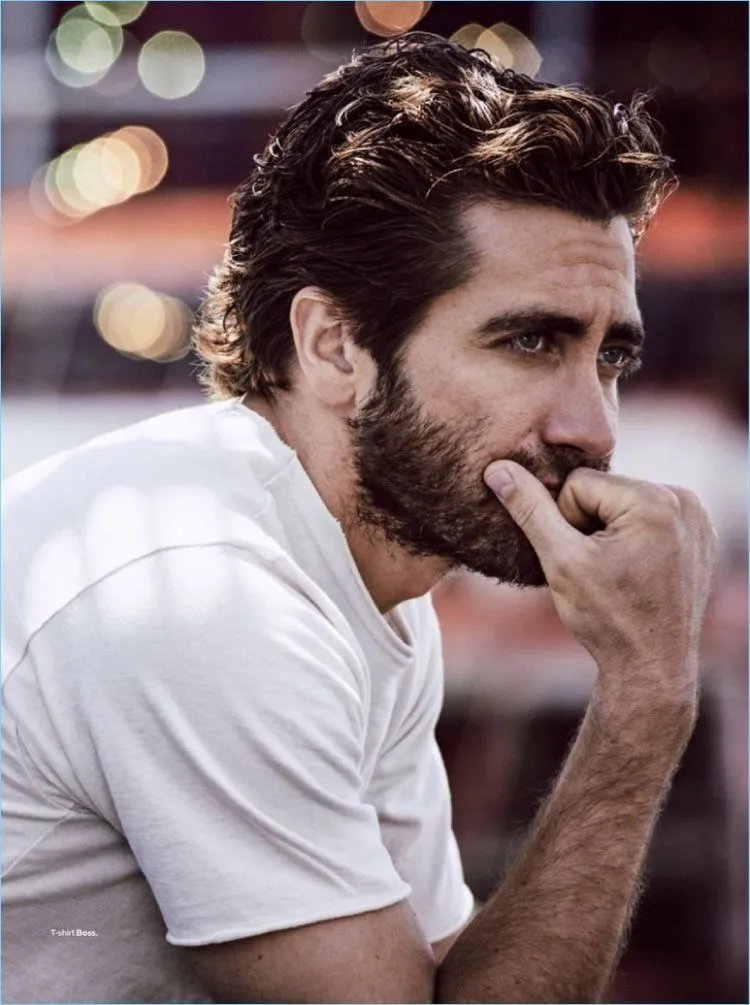
Crops, buzz cuts, short quiffs, French crops and clean fades. Short hair can be easy to style, but sharp fades may need regular trims.
Medium Hairstyles
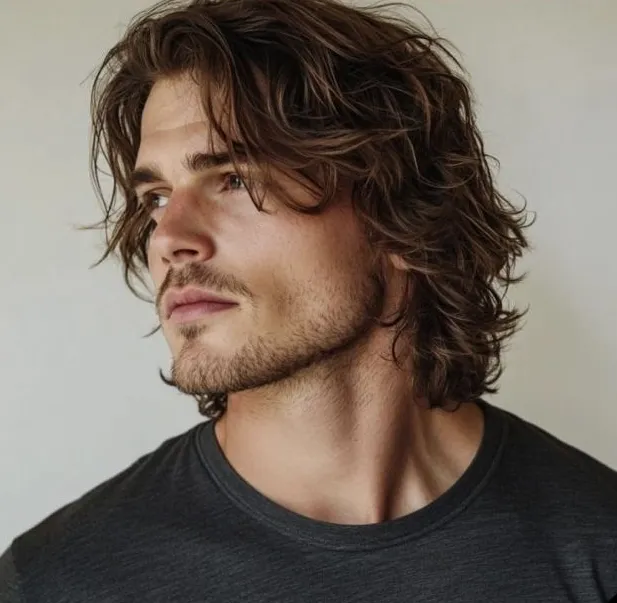
Side parts, curtains, layered flow and textured quiffs. Medium hair offers more movement and styling choices without growing it very long.
Long Hairstyles
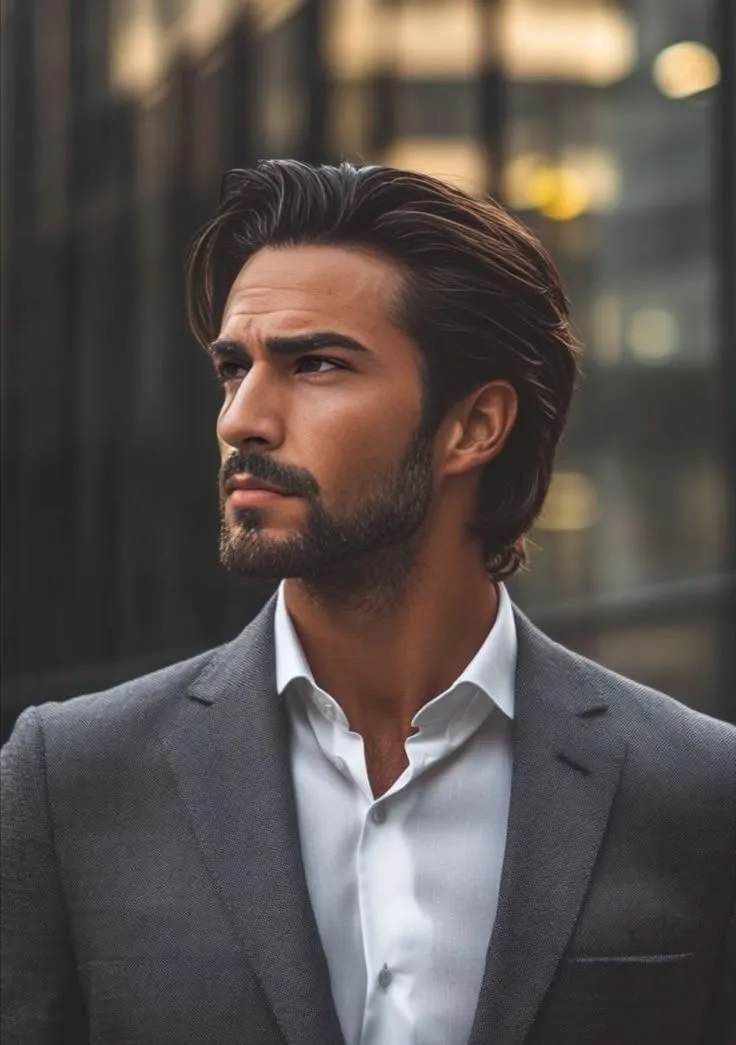
Long layers, shoulder-length waves and tied-back styles. More length offers flexibility but usually requires careful washing, conditioning and detangling.
How to decide: If you need a fast morning routine, short hair is often easiest. If you like to change your look from polished to relaxed, consider medium length. If natural waves, movement or tied-back styles appeal to you, longer hair may be worth the patience.
Find Hairstyles for Your Hair Type
A haircut photographed on straight hair will not behave the same way on tight curls. Starting with your actual texture usually produces more practical results than copying a picture without considering how your hair falls.
Straight Hair
Straight hair shows clean outlines well. A textured French crop, comb over, side part or layered medium cut can add shape. If your hair falls flat, controlled layering and a light styling product may create movement without leaving it stiff. Browse straight hairstyles for men.
Wavy Hair
Waves naturally create movement, making textured quiffs, curtains and medium layered flow particularly appealing. Ask your barber not to remove too much weight before checking how the waves sit when dry. Explore wavy hairstyles for men.
Curly Hair
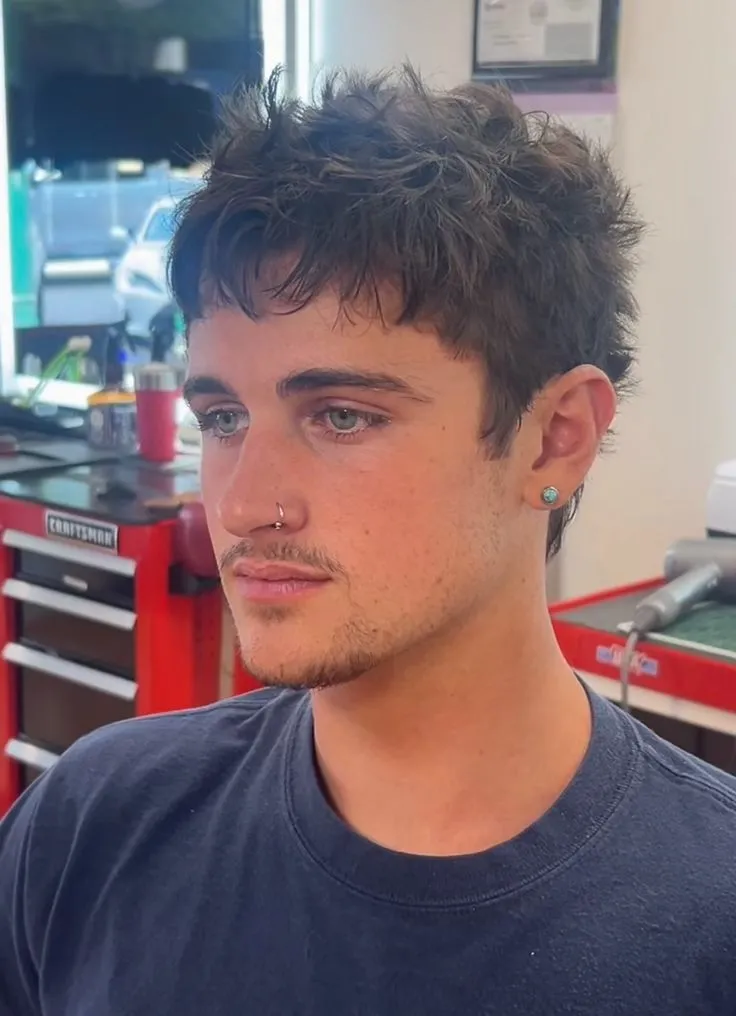
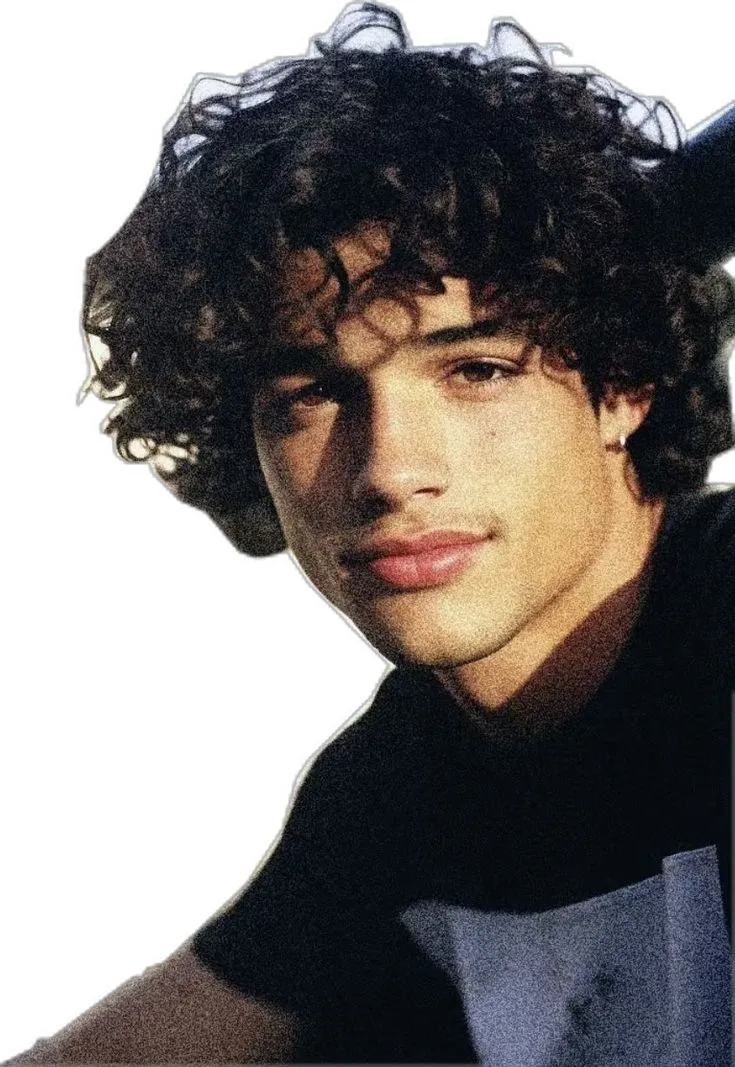
Curly hair needs a cut that accounts for shrinkage and uneven volume. Short curly fringes, taper fades and medium-length layers can be excellent options. Focus on curl shape and avoid brushing dry curls if doing so creates unwanted frizz. See curly hairstyles for men.
Thick Hair
Thick hair holds shape and volume, but a bulky crown or sides can make a cut difficult to control. Ask about scissor work, subtle layering and removing unnecessary weight rather than automatically cutting everything shorter. Start with thick hair hairstyles.
Fine or Thin-Looking Hair
For fine hair, shorter crops, soft side parts and light texture can create a tidy, easy-to-manage appearance. Very heavy wax or long unsupported layers may pull the hair flat. If you have noticeable thinning, a barber can help adapt the length without needing to hide it. Explore thin hair hairstyles.
8 Popular Hairstyles for Men: Photos, Fit and Styling
These aren’t rankings and there is no single haircut everyone should wear. Use the examples to identify the amount of length, side contrast and daily styling you actually want. Each picture is a reference; your barber should adjust it to your hair.
Textured Crop
A short cut with separated texture on top and a neat outline. It works particularly well when you prefer a relaxed finish that does not require a tall, sculpted front. Ask for soft, movable texture rather than aggressive thinning.

Modern Quiff
The front is lifted or swept upward, while the sides stay more controlled. A quiff can be subtle enough for everyday wear or styled with more volume. It generally needs a little length at the front and some daily shaping.
Low Fade
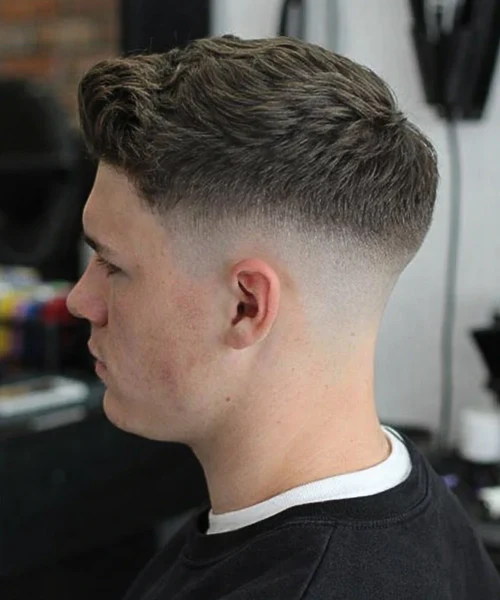
A subtle blend concentrated near the ears and neckline, paired with almost any top style. It’s a useful choice when you want clean edges without a very high-contrast side cut.
Side Part
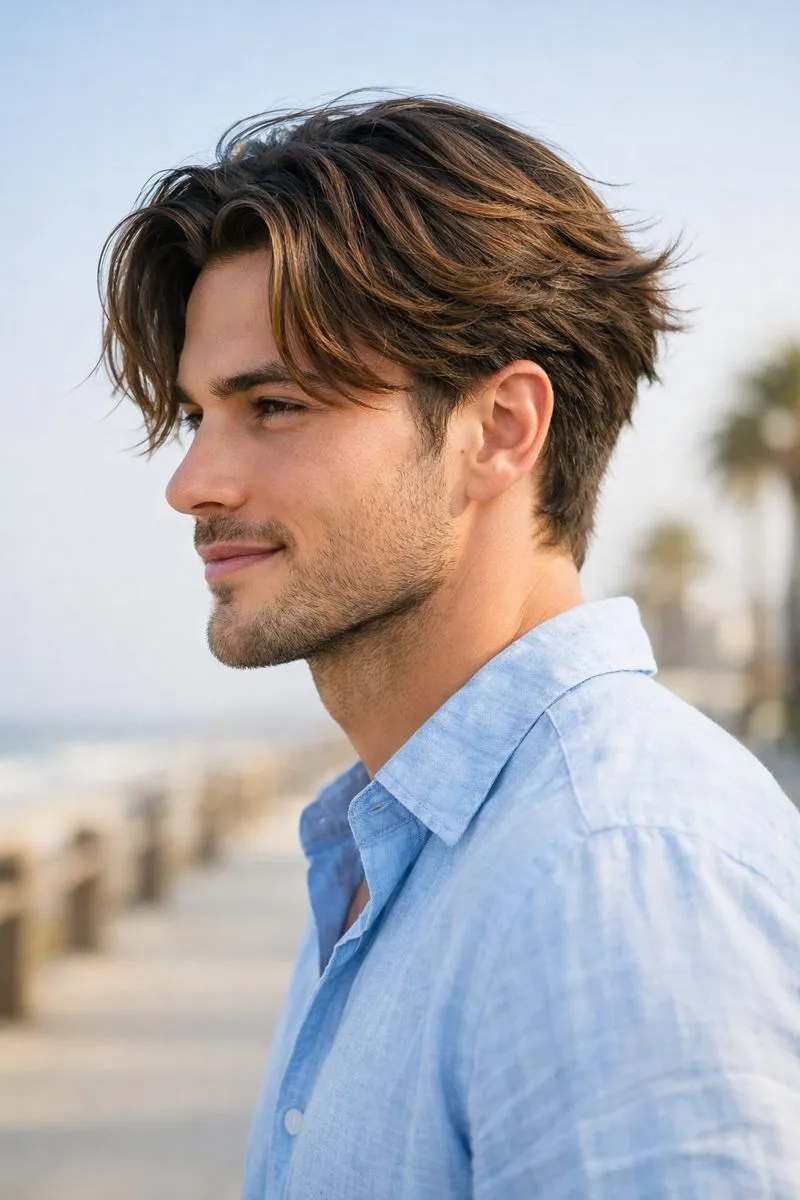
A classic style that can look neat, soft or deliberately textured. The barber sets a shape and length that let the hair separate naturally instead of forcing a sharp part against its growth pattern.
Curly Fringe
A curl-conscious haircut with definition around the front. Keeping some volume through the upper sides often helps curls connect naturally into the rest of the cut. The exact length must allow for shrinkage.
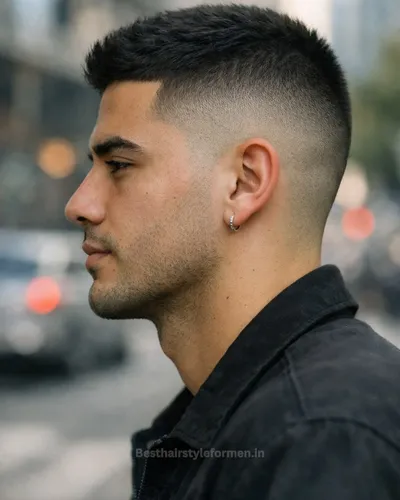
Buzz Cut Fade
Very short hair across the top with a graduated blend on the sides. A buzz cut is usually low-effort in the morning, though the clean outline changes noticeably as it grows.
Layered Wavy Flow
A medium or longer haircut that emphasizes waves and natural movement. Soft layers can keep thick hair from sitting as one heavy section; the barber should consider how the waves dry.
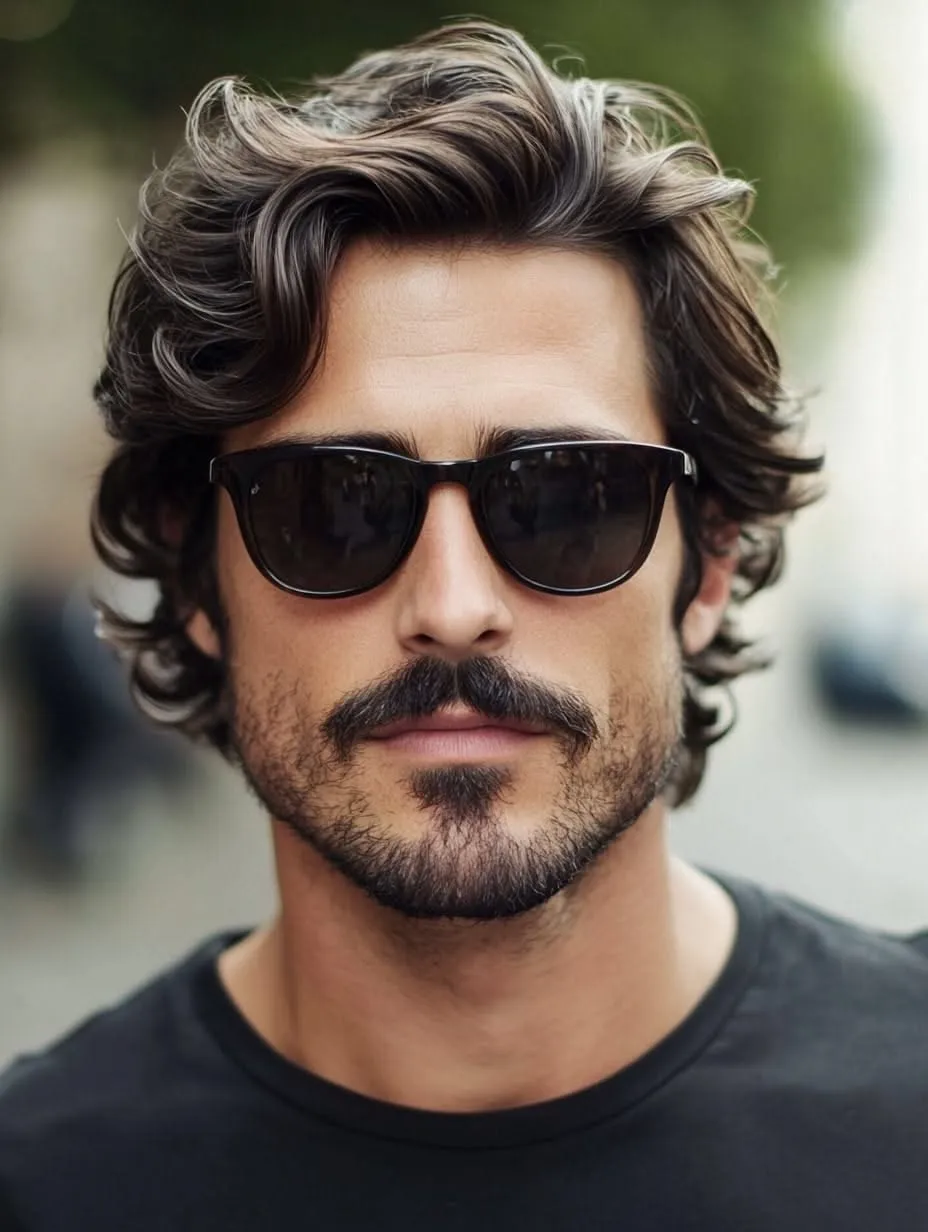
Pompadour
A swept-up and back hairstyle with a more pronounced front. It can look polished but usually takes a blow-dryer, brushing and product to hold its shape. A relaxed version is easier to wear than an oversized one.
Find a Haircut for Your Face Shape
Face shape can help you compare silhouettes, but it should never stop you from wearing a style you love. Hairline, growth patterns, texture and individual head shape also matter. Our face shape hairstyle hub includes six dedicated guides:
- Oval face hairstyles: a balanced starting point for experimenting with short crops, parts, quiffs and medium layers.
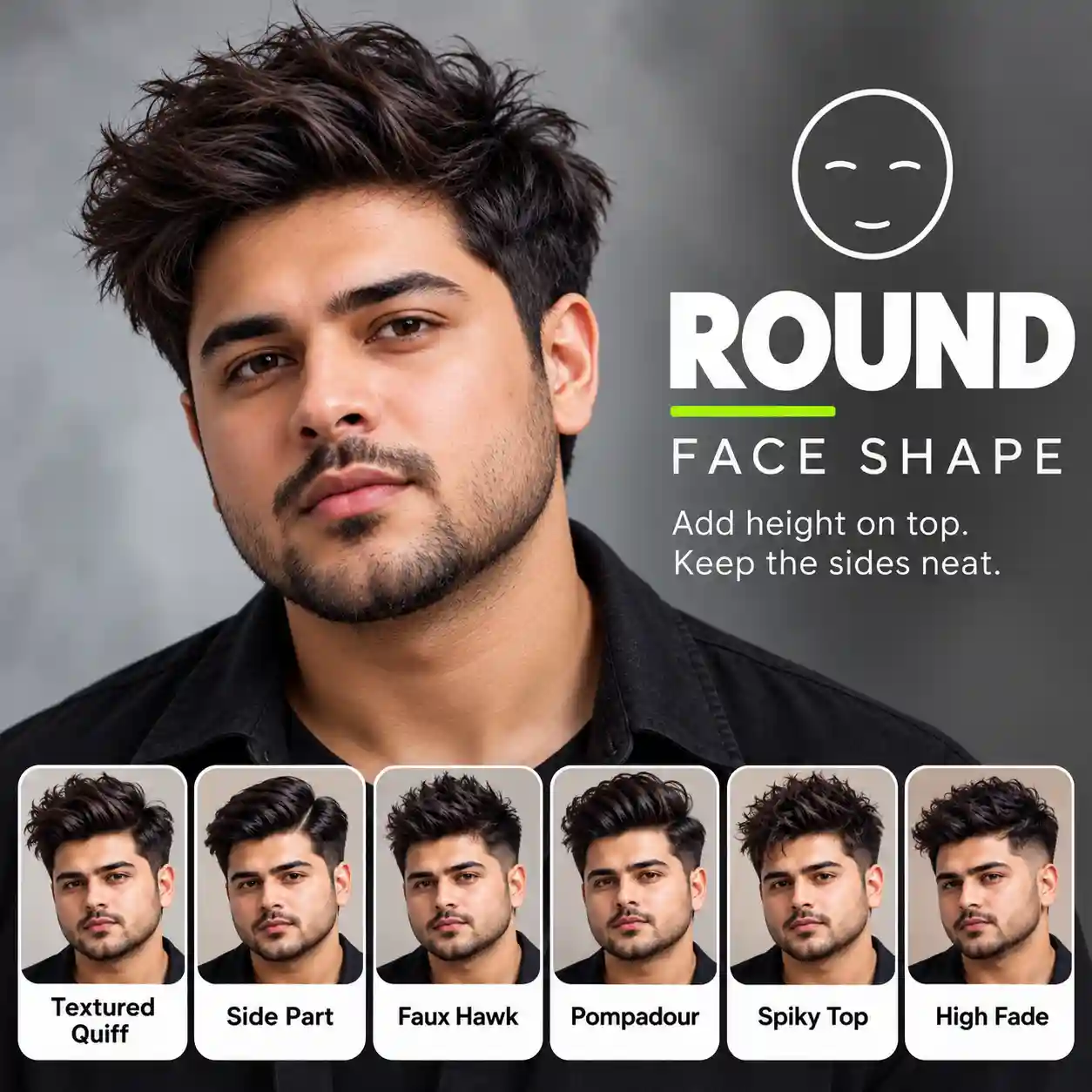
- Round face hairstyles: compare soft fringes, textured tops and different amounts of side contrast.
- Square face hairstyles: choose whether you want to highlight or soften an angular jawline.
- Diamond face hairstyles: explore fringe and temple fullness around more prominent cheekbones.
- Heart face hairstyles: compare styles that frame the forehead and narrow chin.
- Oblong face hairstyles: experiment with texture, fringes and moderate volume for different overall proportions.
How to Pick the Right Men’s Hairstyle in 5 Steps
1. Identify your natural texture before choosing a photo
Look at your hair after washing and drying without heavy products. Is it straight, wavy, curly, thick or fine-looking? A suitable reference should have a similar texture, because the same haircut can create a different silhouette on different hair.
2. Choose the length you are willing to maintain
Think about your routine rather than the first-day barber finish. Short fades look crisp but grow out quickly; longer hair offers flexibility but may take more time to dry, brush or condition. Pick a length you can comfortably live with for weeks.
3. Compare the front, sides and back
A haircut is a three-dimensional shape. Don’t choose only from a front-facing photo. Save at least one side profile and, ideally, a back view so you can explain the fade height, crown shape and neckline.
4. Ask what styling is necessary
Some looks need little more than towel drying, while others depend on a blow-dryer and a product with hold. Ask how the reference was styled, then choose a realistic version for your own hair.
5. Discuss your reference with the barber
Before the clippers start, agree on the shortest side length, the length to leave at the front, whether you want a hard part or fringe, and how often you expect to return for maintenance. A small clarification can prevent a haircut that is technically accurate but not what you wanted.
Haircuts, Fades and the Difference Between Them
The words hairstyle and haircut overlap, but it helps to separate the shape of the cut from how the hair is styled. A haircut establishes the lengths, blending and layers. Styling changes the direction, texture, volume and finish you create each day. That’s why one low fade can support a crop, a side part or a curly top. Explore the men’s haircut directory and fade haircuts for detailed variations.
In broad terms, a taper commonly reduces length around the temples and neckline, whereas a fade often blends a larger area of the sides and back. A low, mid or high fade refers to where the blend begins; a skin fade refers to how closely the shortest hair is cut. Terminology may differ by salon, so photographs matter more than the label alone.
How Much Time Should You Spend Styling?
- Under two minutes: buzz cuts, simple short crops and some naturally textured cuts are often practical with minimal product.
- Three to five minutes: a side part or gentle textured quiff may need a comb, fingers and a small amount of styling cream.
- Five to ten minutes: higher-volume quiffs and pompadours often require blow-drying and controlled brushing.
- Hair care beyond styling: medium and long curls or waves may need more attention to conditioning, detangling and managing frizz.
Products are optional tools, not substitutes for a suitable haircut. Start with less product and add only what you need. For more detail, browse our hair care guides and men’s grooming product guides.
Frequently Asked Questions About Hairstyles for Men
What hairstyle is best for men with short hair?
Textured crops, crew cuts, buzz cuts, short quiffs and tapered styles are versatile options. Choose based on your hair texture, preferred amount of side contrast and the maintenance you want. A short cut does not have to mean a skin fade.
How do I choose a hairstyle for my face shape?
Use face shape as one clue, then compare it with hair texture, hairline and personal preference. Try hairstyle reference photos with a similar overall outline and discuss the result with your barber. No face-shape category has only one acceptable haircut.
Which hairstyle is easiest to maintain?
Buzz cuts and simple short crops usually take little daily styling. They may still require frequent trimming if you want a precise outline. A natural medium-length style can also be manageable if your hair already falls into place without much effort.
What hairstyles work well with naturally curly hair?
Short curly fringes, layered curly tops, low tapers and medium curly shapes can work well. Ask your barber to allow for curl shrinkage and avoid choosing the finished length only from a wet-hair reference.
Can I get the same haircut as a celebrity?
You can use celebrity looks for inspiration, but the exact result depends on your own hair density, texture, growth direction and head shape. Bring front and side photographs and ask the barber to adapt the shape instead of copying every detail.
How can I show my barber the haircut I want?
Save two or three photographs, including a side angle. Explain the fade or taper height, the length to preserve on top, where the fringe should fall and whether you intend to style with product. Asking the barber to repeat the plan before cutting is helpful.
Continue Exploring Hairstyles and Grooming Guides
For shorter options start with short hairstyles; for movement explore medium-length hairstyles or long hairstyles. If you’re deciding between tapers and closely blended sides, compare low fade, mid fade and high fade examples.
Prefer looking through photographs before reading? Open the hairstyle image gallery. Looking for a place to get the cut? Browse our hair salon directory. Your best next step is to save a few photos you genuinely like and take them to a barber who can adapt the details to your hair.