
Start with Your Hair Type, Not a Trend
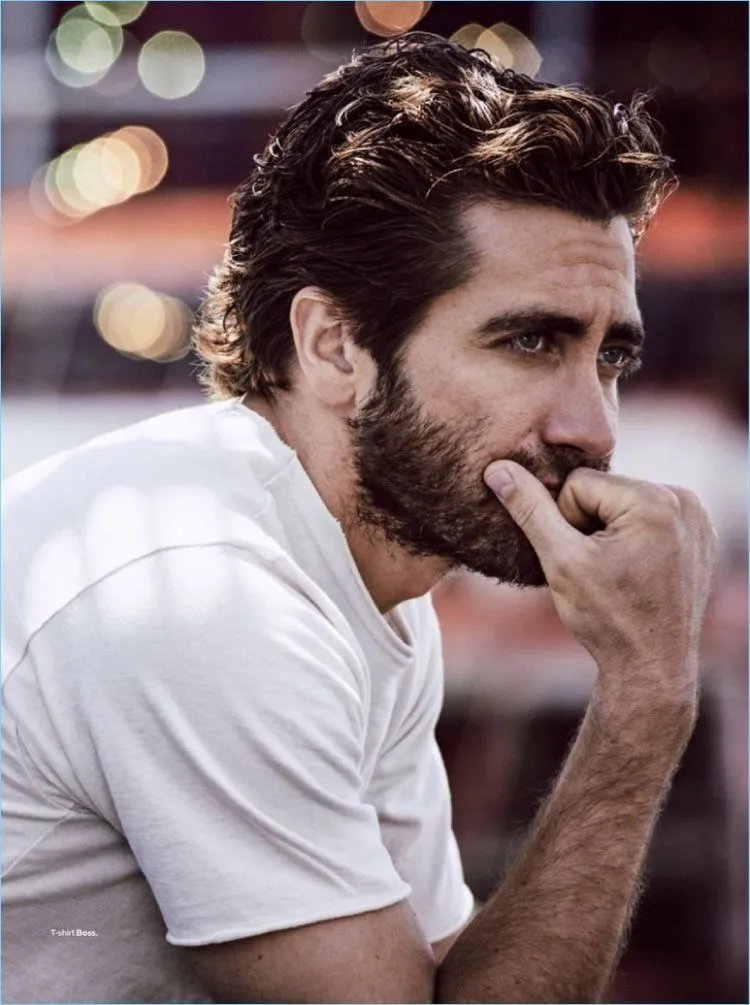
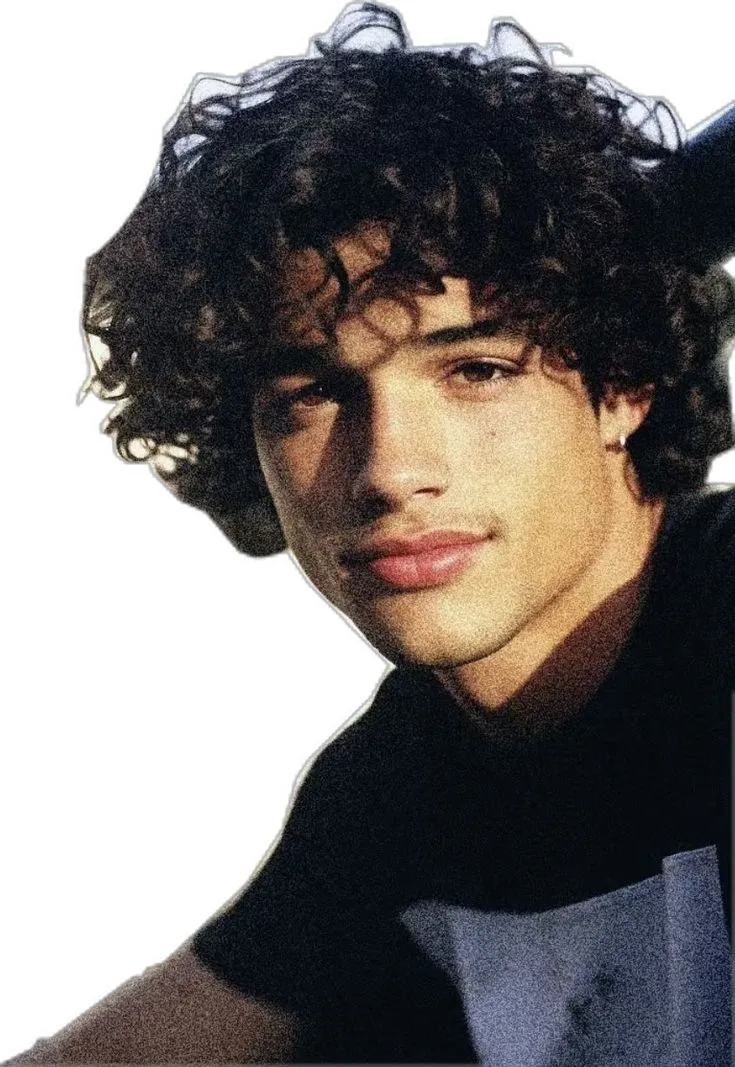
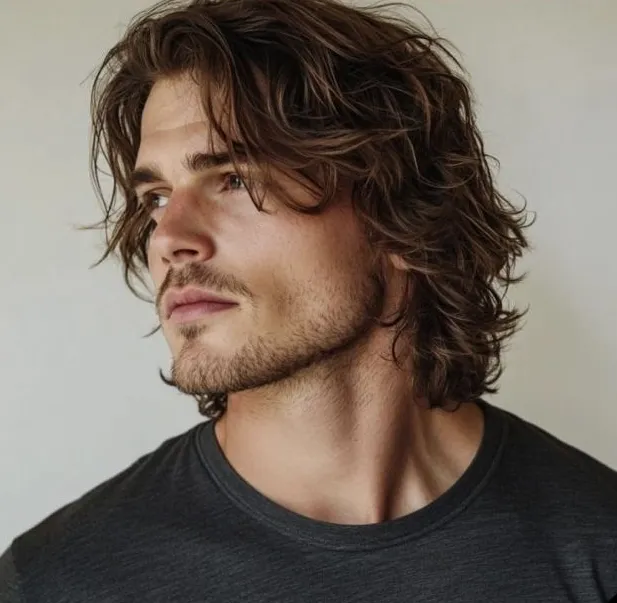
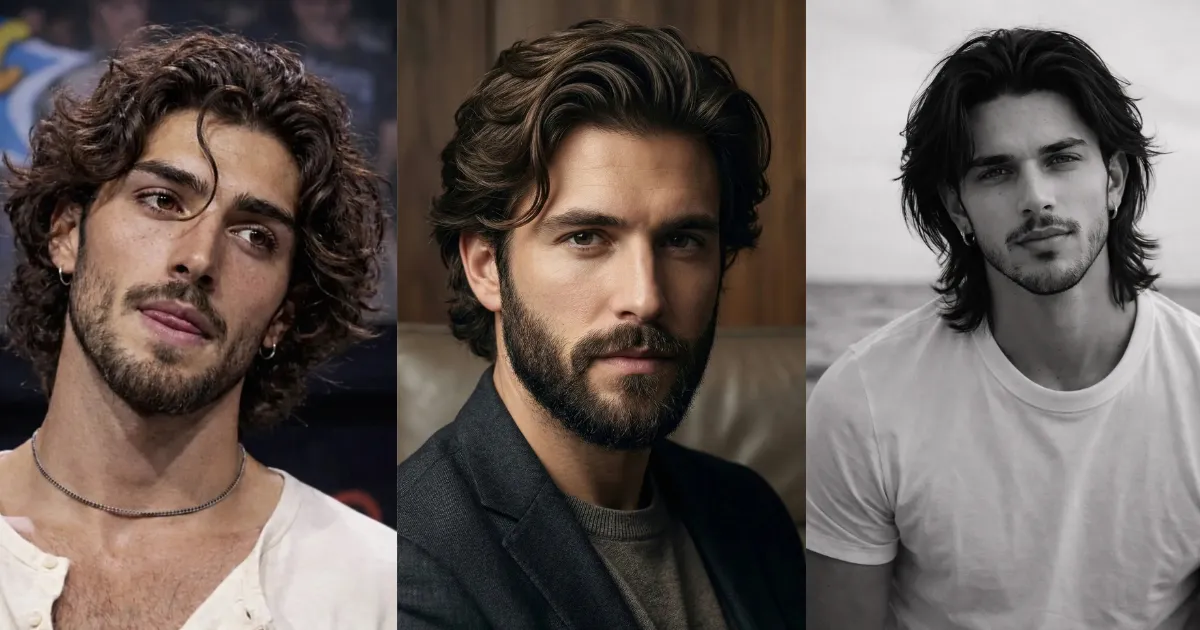
Different textures behave differently even when they are cut into the same shape. Straight hair can look sharp with a neat side part or a textured crop. Wavy hair often looks best when a haircut allows the natural movement to show. Curly hair needs a cut that accounts for curl shape and shrinkage.
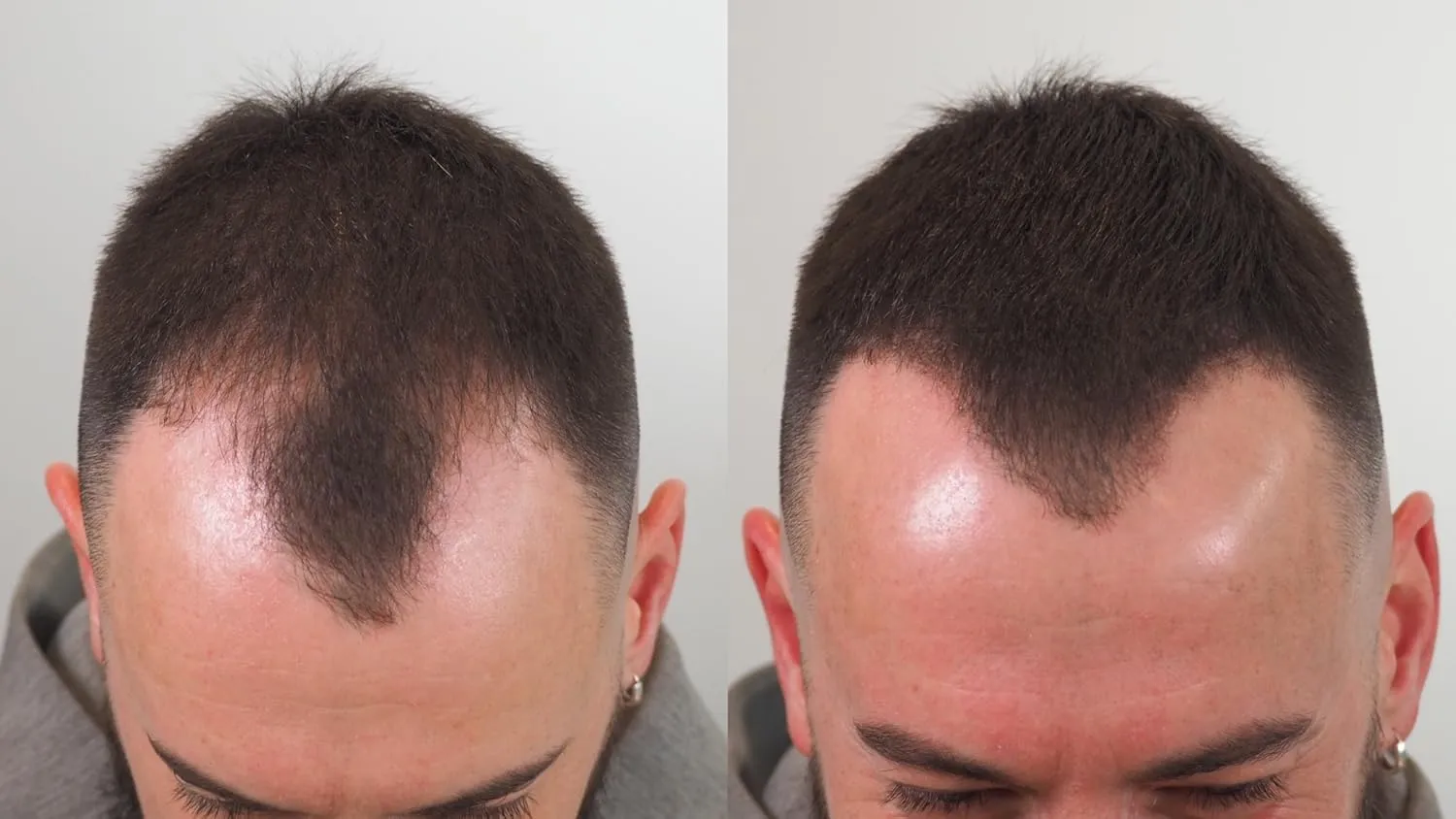
For thick hair, a stylist may remove weight internally instead of cutting everything shorter. For fine or thin-looking hair, shorter textured styles may make everyday styling simpler. Choose inspiration that resembles your own hair rather than relying on the haircut name alone.
Choose a Length That Matches Your Routine
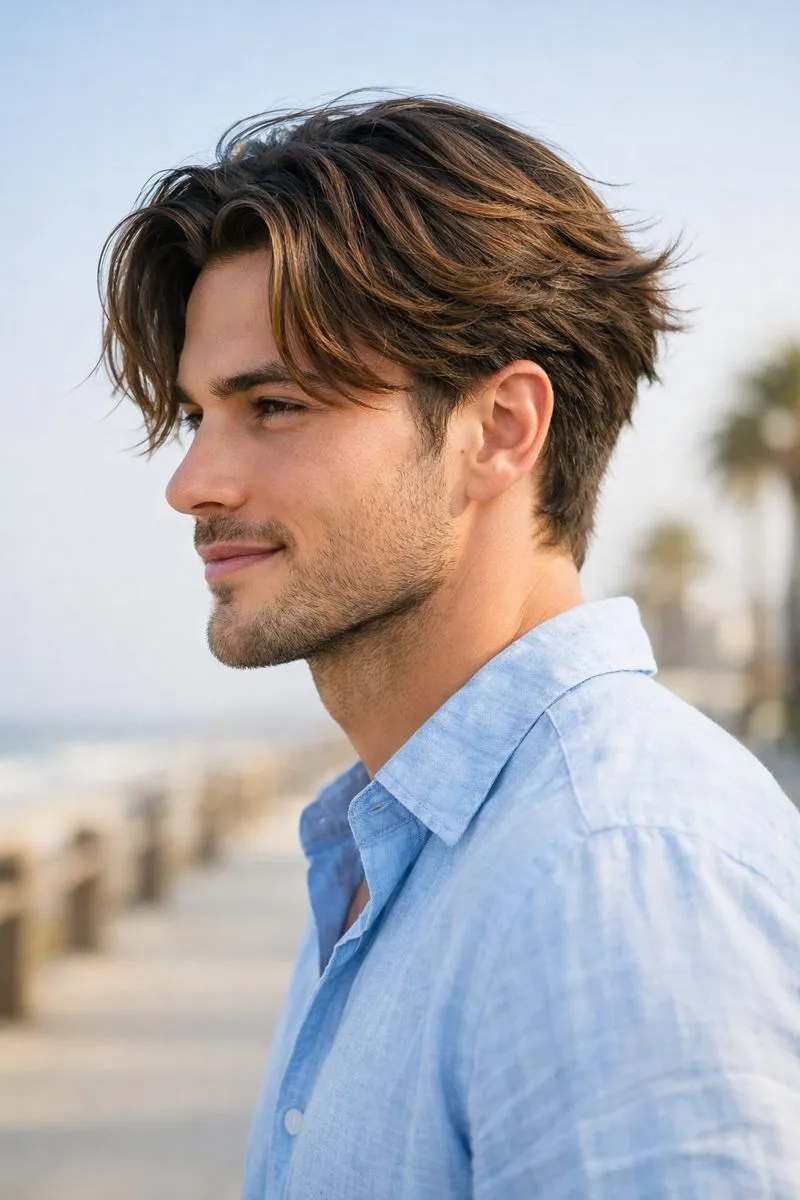
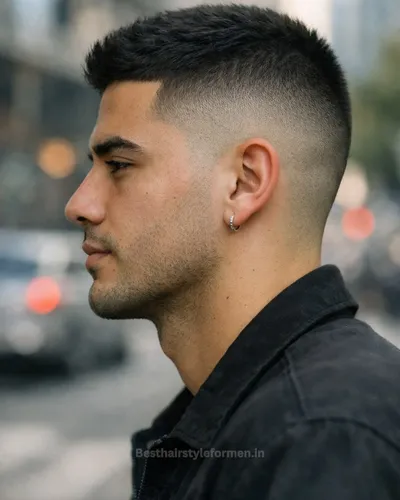
Short hairstyles for men, including buzz cuts, textured crops and shorter fades, generally take less daily effort. Medium-length hairstyles offer quiffs, side parts, curtains and layered styles with more room to experiment. Long hairstyles can show natural waves or layers, but require patience while growing out and regular conditioning.
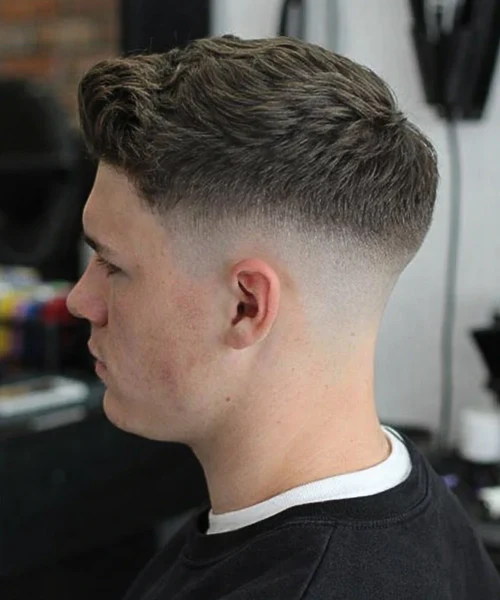
Also think about visits to the barber. A sharply outlined skin fade will look different as the sides grow, while softer tapers and longer layers may change less dramatically between appointments. The best option is the one you can comfortably maintain.
Use Your Face Shape as a Starting Point
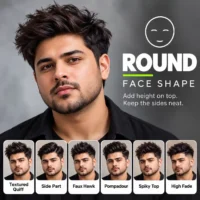
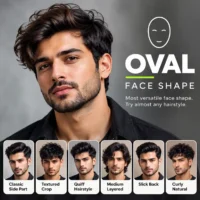
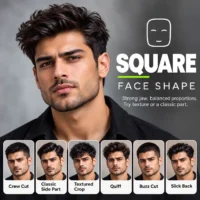
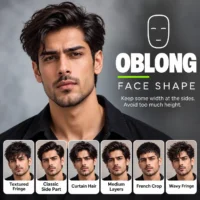
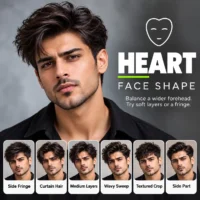
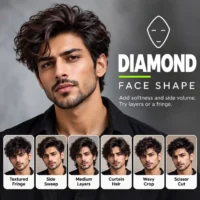
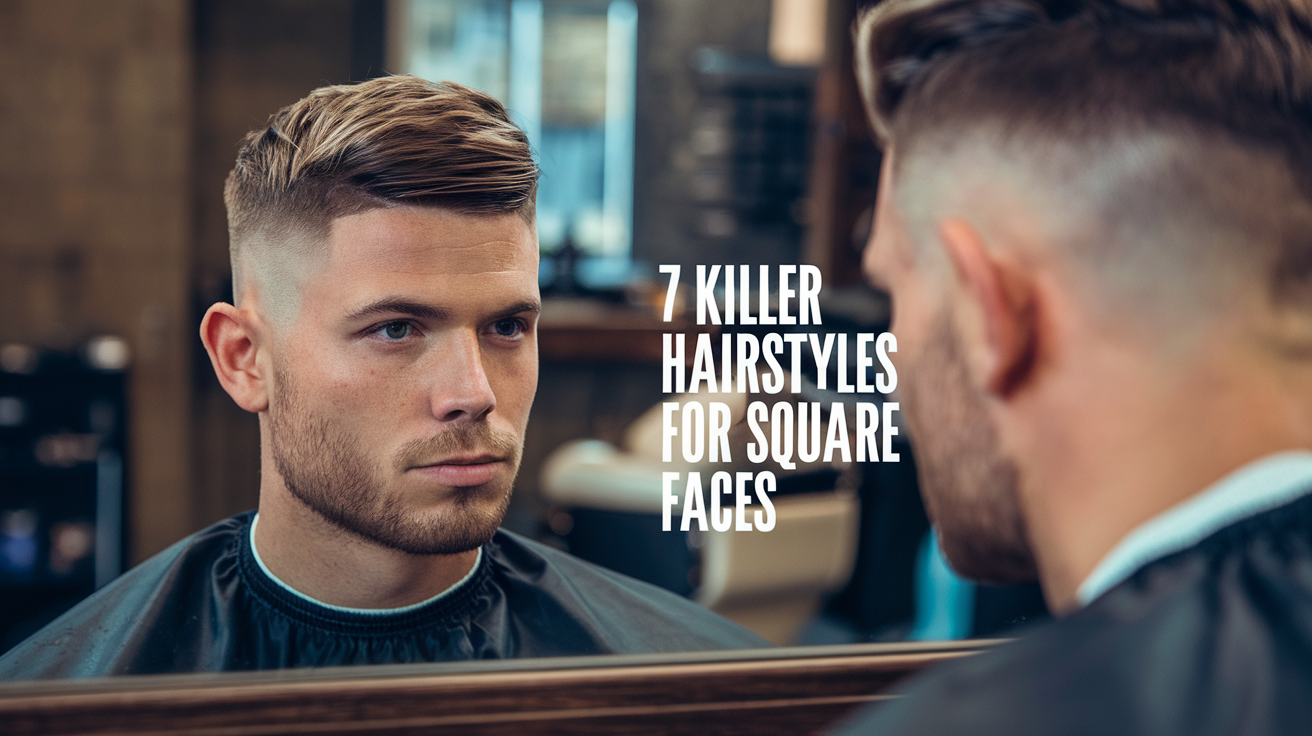
Face shape can help you compare proportions, but it should never be a strict rule. A round face can work with a textured fringe or a higher-volume quiff; a square face may suit either a structured cut or something softer. Men with oval faces have plenty of versatile options. Explore our face-shape hairstyle guides to find examples that appeal to you.
Compare Classic and Modern Haircuts
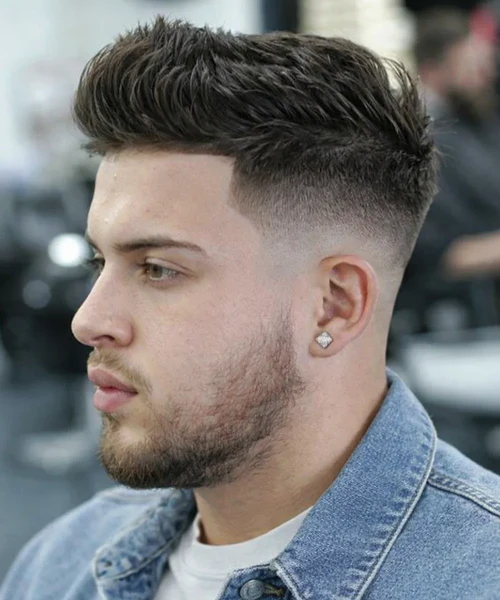
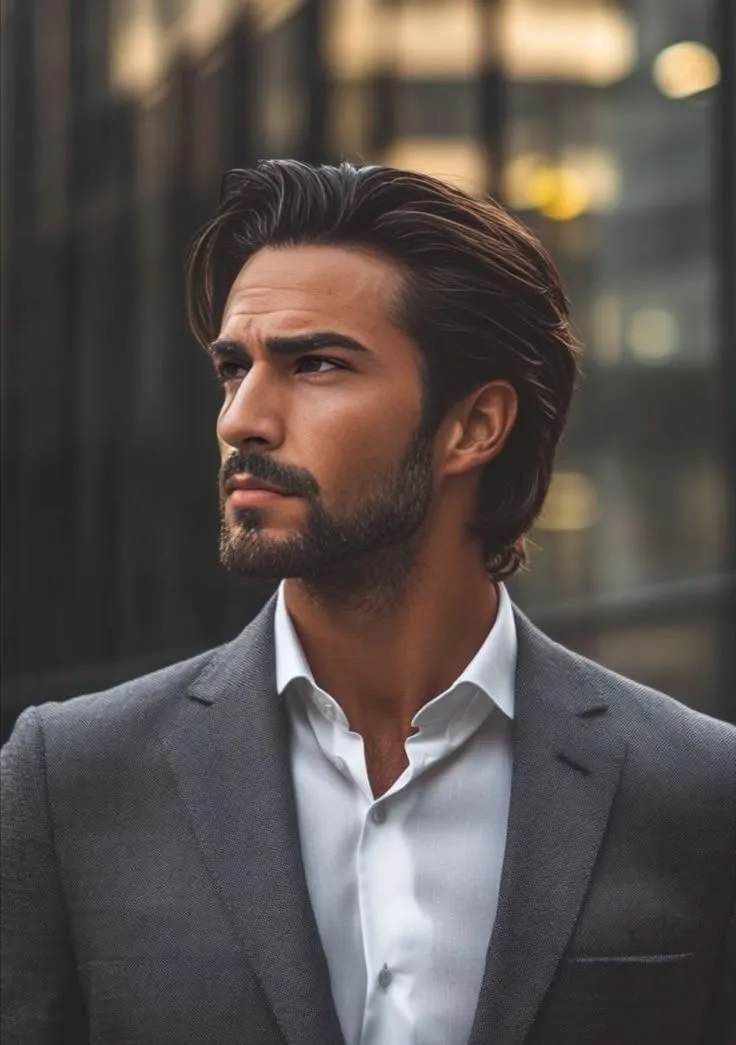
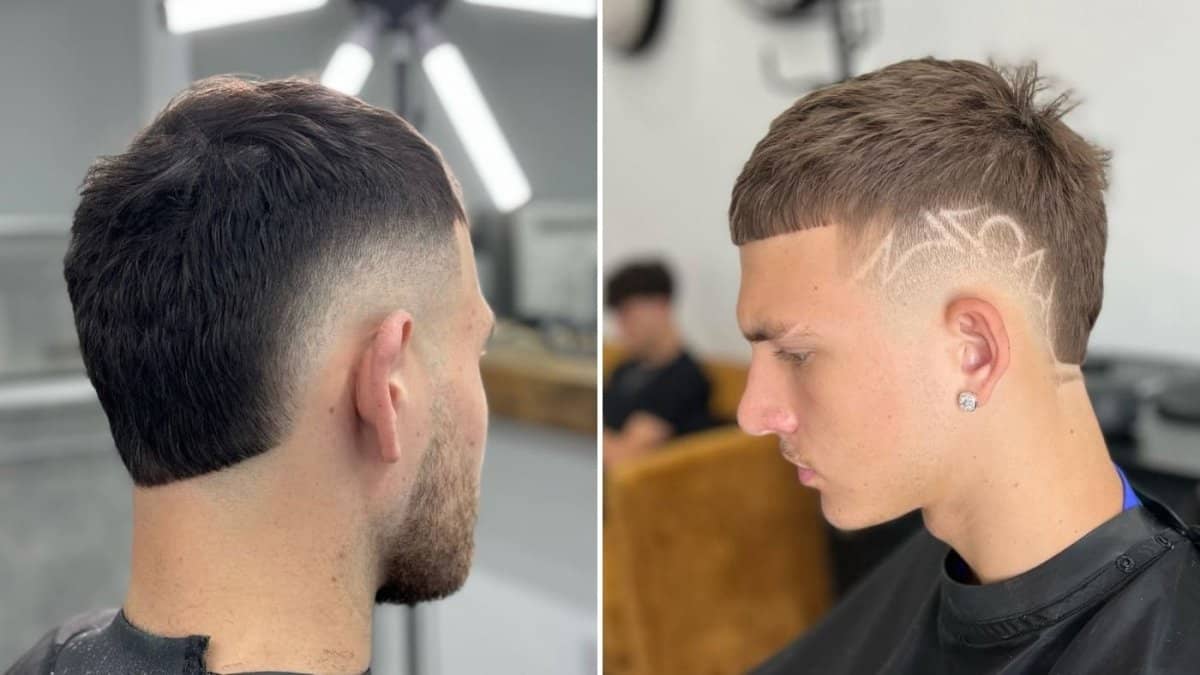
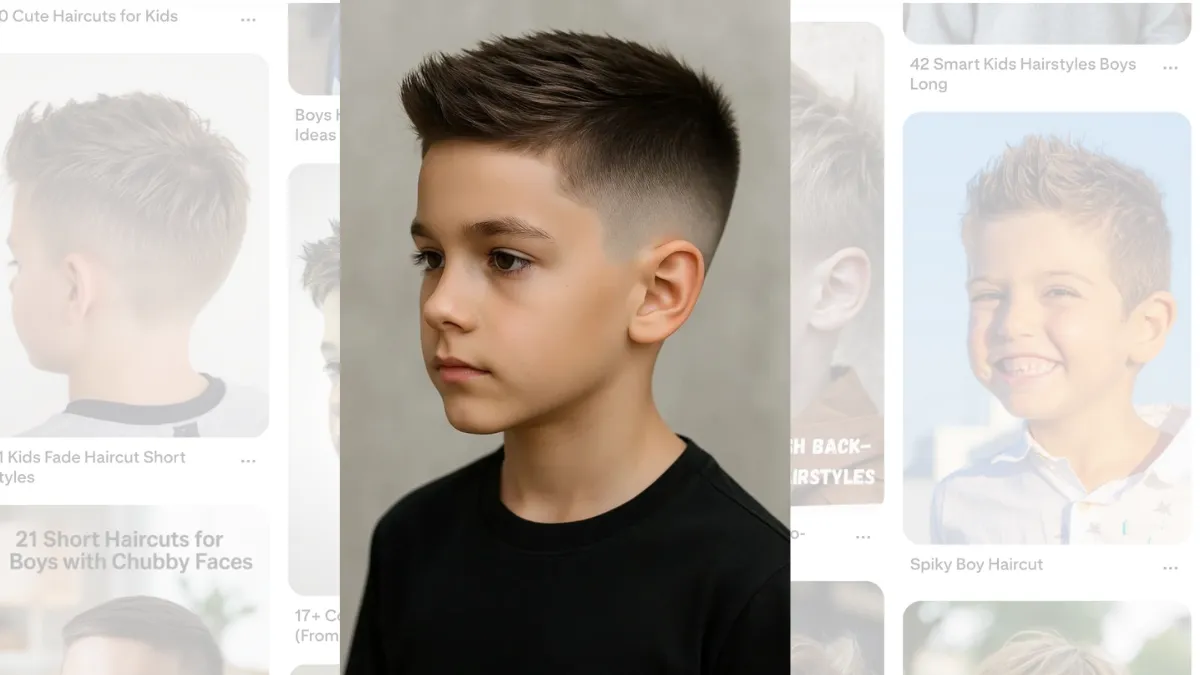
Not every popular haircut creates the same effect. A low fade blends close to the ears for a subtler finish; a high fade creates stronger contrast. A textured crop keeps hair fairly short and easy to shape, while a quiff needs enough top length to lift upward. A buzz cut keeps things simple, and a side part can look polished with a comb or relaxed when styled with fingers. Look at several pictures of each cut, since the same name can cover different lengths and finishes.
Keep the Cut Looking Good Between Appointments
Even an excellent haircut depends on the health and everyday feel of your hair. Wash according to your scalp's needs, use conditioner where useful, and avoid piling on more styling product than you can comfortably rinse away. If you use a blow-dryer, start with moderate heat and keep the nozzle moving. For more practical routines, read our hair care tips. Keeping a simple reference photo and noting the clipper or scissor lengths from your last barber visit also makes your next appointment easier.
What to Ask Your Barber
Bring clear front and side photos. Explain how much length you want to keep on top, whether you prefer a fade haircut or a softer taper, how you usually style your hair and what you dislike about your current haircut. Ask how the result will look when your hair dries and as it grows out. A reference picture plus an honest conversation is more useful than memorizing haircut terminology.
Frequently Asked Questions
What is the best hairstyle for men?
There is no single haircut that works for everyone. Textured crops, quiffs, fades, side parts and medium layers can all be excellent choices depending on hair type, desired length, personal style and maintenance needs.
What men's haircut is easiest to style?
A buzz cut, short crop or simple tapered haircut often needs less daily styling than a high-volume pompadour or long layered style. Your hair texture and preferred finish still matter.
Where can I see haircut photos before choosing?
Browse our hairstyle image gallery or explore the hairstyles for men directory. Save two or three photos of the same cut to show different angles to your barber.